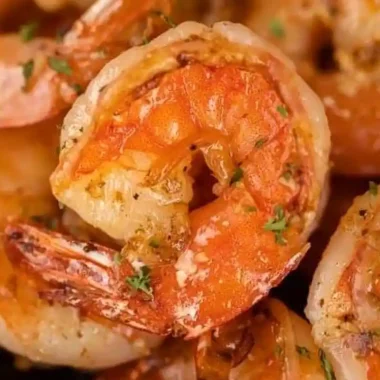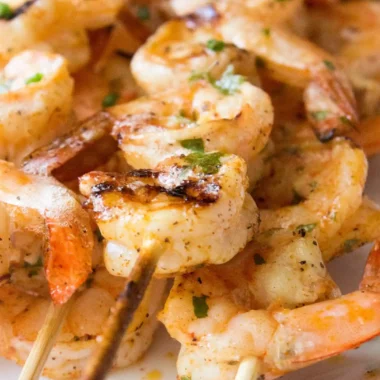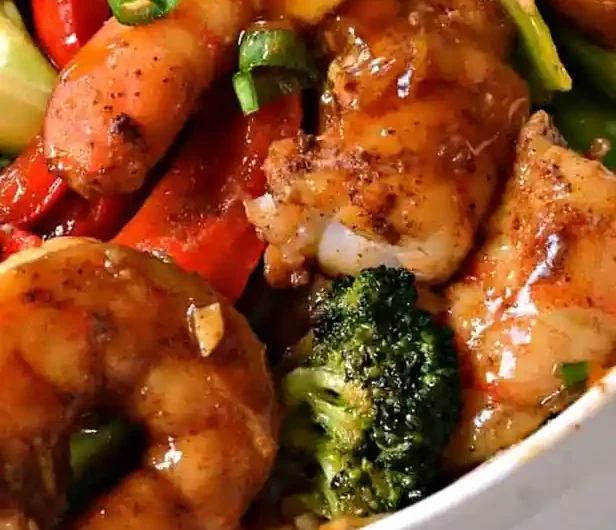
This quick stir fry combines succulent shrimp with a colorful medley of crisp vegetables in a sweet and savory glaze. It is a nutrient-dense meal that comes together in under 30 minutes, making it ideal for busy weeknights.
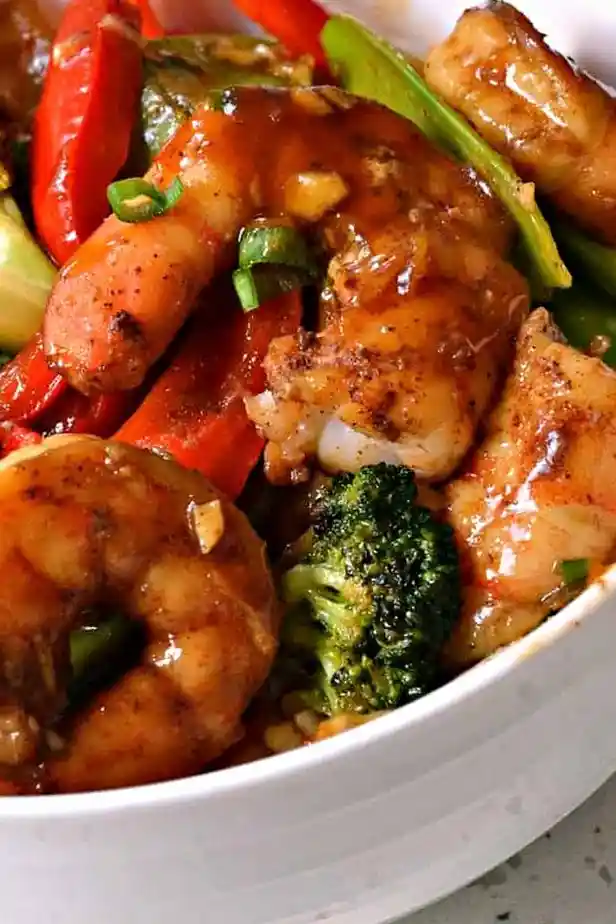
List of ingredients
- 1/4 cup low sodium chicken broth – provides a savory base for the sauce.
- 1/4 cup low sodium soy sauce – adds depth and saltiness.
- 2 teaspoons rice vinegar – adds a necessary touch of acidity.
- 1 teaspoon sesame oil – gives a toasted, nutty aroma.
- 1 teaspoon sriracha sauce – provides a mild chili kick.
- 2 tablespoons honey – balances the salt with a natural sweetness.
- 1/8 teaspoon crushed red pepper – adds a subtle heat.
- 2 cloves garlic, minced – essential for a pungent, savory flavor.
- 1 tablespoon grated ginger or ginger paste – brings a zesty, warm note.
- 1 tablespoon cornstarch – used to thicken the sauce into a glaze.
- 2 tablespoons canola oil – chosen for its high smoke point.
- 1 lb shrimp, peeled, deveined, and tails removed – the main protein source.
- Chinese five spice – used to season the shrimp for added complexity.
- 1 red pepper, sliced julienne – adds sweetness and color.
- 2 cups broccoli florets, cut in bite-size pieces – provides crunch and nutrients.
- 8 ounces snow peas – adds a fresh, crisp texture.
- 1 small onion, chopped – creates a flavorful aromatic base.
- 2 scallions, chopped – used for a fresh finishing garnish.
step-by-step instructions
- Prepare the shrimp: Peel the shrimp, remove the tails, and devein them. Pat the shrimp dry with paper towels and sprinkle both sides evenly with Chinese Five Spice.
- Whisk the sauce: In a small mixing bowl, combine the chicken broth, soy sauce, rice vinegar, sesame oil, sriracha, honey, crushed red pepper, garlic, ginger, and cornstarch. Whisk until the cornstarch is fully dissolved.
- Sauté the vegetables: Heat 1 tablespoon of oil in a large skillet over medium-high heat. Add the chopped onion and broccoli florets, stirring constantly for 1-2 minutes. Stir in the red pepper and snow peas, cooking for another 1-2 minutes until they are crisp-tender, then transfer the vegetables to a plate.
- Cook the shrimp: Heat another tablespoon of oil in the same skillet over medium heat. Add the seasoned shrimp and cook for 1 to 1.5 minutes per side until they are opaque and cooked through. Remove the shrimp from the pan and place them on the plate with the vegetables.
- Thicken the sauce: Reduce the skillet heat to low and give the sauce mixture one final whisk. Pour the sauce into the pan and cook, stirring constantly, until the liquid slightly thickens.
- Combine and serve: Return the cooked shrimp and vegetables to the skillet. Stir everything together for a minute to ensure the sauce coats all ingredients and everything is warmed through. Garnish with chopped scallions and serve immediately.
Vegetable Preparation and Selection
Cutting Broccoli for Even Cooking
Cut the broccoli into small, uniform florets to ensure they cook at the same rate. Large chunks may remain raw in the center while smaller pieces overcook. This consistency helps maintain a crisp-tender texture.
Slicing Red Peppers into Julienne
Slice the red bell pepper into thin, long strips known as julienne. This shape allows the pepper to soften quickly while retaining its vibrant color. It also complements the shape of the snow peas in the pan.
Trimming Snow Peas
Remove any tough stringy ends from the snow peas before adding them to the skillet. This ensures every bite is tender and easy to chew. Keep them whole to preserve their natural snap.
Preparing the Aromatics
Dice the onion into small, consistent pieces so they soften uniformly. Mince the garlic very finely to ensure the flavor is distributed evenly throughout the sauce. This prevents any single bite from having too much raw garlic.
Shrimp Handling and Preparation
Cleaning and Deveining Shrimp
Use a small pairing knife to make a shallow cut along the back of each shrimp. Gently remove the dark vein under running cold water. This process removes the digestive tract for a cleaner taste and better appearance.
The Importance of Drying Shrimp
Always pat the shrimp completely dry with paper towels before seasoning. Excess moisture creates steam in the pan, which prevents the shrimp from searing. A dry surface ensures a better golden-brown crust.
Applying Chinese Five Spice
Sprinkle the five spice powder on both sides of the shrimp for maximum flavor. This blend of cinnamon, cloves, anise, star anise, and ginger provides an authentic Asian profile. If you prefer a simpler taste, substitute with salt and white pepper.
Preventing Overcooked Shrimp
Shrimp cook very quickly and can become rubbery if left in the heat too long. Remove them from the pan as soon as they turn pink and form a ‘C’ shape. Avoid cooking them into a tight ‘O’ shape, which indicates overcooking.
Mastering the Stir Fry Sauce
Role of the Cornstarch Slurry
Cornstarch acts as a thickening agent that transforms the liquid broth and soy sauce into a glossy glaze. It helps the sauce cling to the shrimp and vegetables rather than pooling at the bottom of the plate. Always whisk it well to avoid lumps.
Balancing Sweet and Salty Notes
The combination of honey and low-sodium soy sauce creates a classic salty-sweet equilibrium. The honey adds a rich viscosity, while the soy sauce provides the savory umami base. You can adjust the amount of honey based on your preference for sweetness.
Managing the Acidity
Rice vinegar provides a bright acidity that cuts through the richness of the sesame oil and honey. This balance prevents the dish from tasting too heavy. It also enhances the natural flavors of the fresh vegetables.
Incorporating Fresh Ginger and Garlic
Adding ginger and garlic directly into the sauce prevents them from burning at high temperatures. Because garlic burns quickly in a hot skillet, incorporating it into the liquid base ensures a mellow, cooked flavor. This maintains the aromatic quality of the ingredients.
Professional Cooking Techniques
Selecting High Smoke Point Oils
Use oils like canola, peanut, or vegetable oil for stir frying. These oils can withstand high temperatures without smoking or breaking down. Avoid using extra virgin olive oil or butter, as they burn too quickly at the required heat.
The Benefit of Batch Cooking
Avoid crowding the skillet by cooking the vegetables and shrimp in separate batches. Crowding drops the pan temperature, causing the ingredients to boil in their own juices rather than searing. Plating them separately maintains the texture of each component.
Managing Heat Levels
Start with medium-high heat for the vegetables to achieve a quick sear. Lower the heat to medium for the shrimp to prevent them from toughening. Finally, use low heat for the sauce to allow it to thicken without scorching.
Timing the Final Combination
Only return the shrimp and vegetables to the pan once the sauce has thickened. Stir them in quickly just to coat and warm them through. This prevents the vegetables from losing their crunch and the shrimp from overcooking.
Serving and Accompaniments
Choosing the Best Grains
Serve this stir fry over steamed white jasmine rice for a traditional experience. Brown rice is an excellent alternative for added fiber and a nuttier flavor. Quinoa can also be used for a protein-rich base.
Low-Carb Base Alternatives
For a lower-calorie option, use cauliflower rice or sautéed zucchini noodles. These alternatives soak up the garlic ginger sauce while keeping the meal light. They provide a fresh contrast to the savory glaze.
Adding Fresh Garnishes
Freshly chopped scallions add a mild onion flavor and a pop of green color. You can also sprinkle toasted sesame seeds over the top for added texture. A few extra red pepper flakes can be added for those who prefer more heat.
Storage and Reheating Advice
Proper Refrigeration
Store any leftovers in an airtight glass or plastic container in the refrigerator. This prevents the shrimp from absorbing other odors in the fridge. The stir fry will remain fresh for up to three days.
Microwave Reheating Tips
Reheat the dish in the microwave at reduced power to avoid toughening the shrimp. Heat in short 30-second intervals, stirring in between. This ensures the sauce is evenly distributed and the protein stays tender.
Stovetop Reheating Method
For the best texture, reheat the stir fry in a skillet over low heat. Add a splash of chicken broth or water to loosen the sauce. Gently toss the ingredients until warmed through to maintain the vegetable crunch.
Troubleshooting Common Issues
Fixing a Thin Sauce
If the sauce has not thickened enough, whisk a small amount of additional cornstarch with cold water. Stir this slurry into the simmering sauce for a minute. This will quickly increase the viscosity of the glaze.
Preventing Watery Vegetables
Ensure your skillet is very hot before adding the vegetables. If the pan is too cool, the vegetables will release their moisture and steam. High heat evaporates the water quickly, resulting in a better sear.
Avoiding Burnt Garlic
If you choose to sauté garlic in the pan rather than adding it to the sauce, add it at the very end of the vegetable stage. Garlic only needs about 30 seconds to release its aroma. If it turns dark brown, it becomes bitter and should be discarded.
Solving Clumpy Cornstarch
If you see white clumps of cornstarch in your sauce, whisk it more vigorously before adding it to the pan. You can also strain the sauce through a fine-mesh sieve. Always dissolve cornstarch in a cold liquid first to prevent clumping.
Frequently Asked Questions
Can I use frozen shrimp?
Yes, you can use frozen shrimp. Ensure they are completely thawed and patted dry with paper towels before seasoning to prevent the sauce from becoming watery.
What is a good substitute for Chinese Five Spice?
If you do not have five spice, you can use a combination of cinnamon, ginger, and a pinch of ground cloves. Alternatively, a simple mix of salt, black pepper, and garlic powder works well.
Can I substitute other proteins in this recipe?
This sauce works perfectly with sliced beef, chicken breast, or firm tofu. Adjust the cooking times based on the protein; beef and chicken will require longer cooking times than shrimp.
How do I make this recipe low sodium?
Use a low-sodium soy sauce or coconut aminos as a replacement. You can also reduce the amount of soy sauce and increase the amount of rice vinegar and ginger to maintain flavor depth.
Print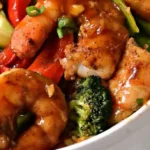
Honey Garlic Shrimp and Vegetable Stir Fry
- Total Time: 25 minutes
- Yield: 4 servings 1x
- Diet: General
Description
An easy one skillet stir fry recipe with shrimp, red peppers, onions, broccoli, snow peas, and a salty-sweet garlic ginger Asian sauce. Serve over rice or zucchini noodles for a complete meal.
Ingredients
- 1/4 cup low sodium chicken broth
- 1/4 cup low sodium soy sauce
- 2 teaspoons rice vinegar
- 1 teaspoon sesame oil
- 1 teaspoon sriracha sauce
- 2 tablespoons honey
- 1/8 teaspoon crushed red pepper
- 2 cloves garlic, minced
- 1 tablespoon grated ginger or ginger paste
- 1 tablespoon cornstarch
- 2 tablespoons canola oil
- 1 lb shrimp, peeled, deveined, and tails removed
- Chinese five spice
- 1 red pepper, sliced julienne
- 2 cups broccoli florets, cut in bite size pieces
- 8 ounces snow peas
- 1 small onion, chopped
- 2 scallions, chopped
Instructions
- Step 1: Peel, remove tails and devein the shrimp. Pat the shrimp dry and sprinkle both sides of the shrimp with Chinese Five Spice.
- Step 2: In a small bowl, whisk together the chicken broth, soy sauce, rice vinegar, sesame oil, sriracha sauce, honey, crushed red pepper, garlic, ginger, and cornstarch.
- Step 3: Heat 1 tablespoon oil in a large skillet over medium-high heat. Add the onions and broccoli. Cook for about 1-2 minutes, stirring constantly. Add the red pepper and snow peas and cook for 1-2 minutes or until crisp tender; stirring constantly. Plate the veggies.
- Step 4: Heat 1 tablespoon oil in a skillet over medium heat. Add shrimp and cook 1 – 1 1/2 minutes per side or until cooked through. Plate the shrimp.
- Step 5: Reduce heat to low. Whisk the sauce one more time. Add to the pan and cook until slightly thickened. Add the cooked vegetables and shrimp back to the pan. Stir to combine and warm. Sprinkle with scallions and serve promptly.
Notes
Use oil with a high smoking point, like canola, peanut, or vegetable oil. Get the skillet and oil hot before adding the vegetables and shrimp. Don’t crowd the skillet. Cook in batches and plate the veggies and shrimp. Shrimp cook very quickly. Chinese Five Spice contains anise, cinnamon, star anise, cloves, and ginger; if you don’t like these spices, omit them and season with salt and pepper. Cook the sauce last and add everything back to the pan for a quick warm-up. This recipe works well with other proteins like beef or chicken. If there is a vegetable that you do not like, substitute a different one in its place (e.g., carrots, mushrooms, or bok choy). Do not cook garlic at high heat as it will burn, so add it to the sauce. Stir fry moves very fast and needs your full attention.
- Prep Time: 15 minutes
- Cook Time: 10 minutes
- Category: Main Meal
- Method: Stir Fry
- Cuisine: Asian
Nutrition
- Serving Size: 1 serving
- Calories: 282 kcal
- Sugar: 14 g
- Sodium: 762 mg
- Fat: 9 g
- Saturated Fat: 1 g
- Unsaturated Fat: 8 g
- Trans Fat: 0.03 g
- Carbohydrates: 24 g
- Fiber: 4 g
- Protein: 28 g
- Cholesterol: 183 mg
Keywords: shrimp stir fry, garlic shrimp, Asian cuisine, quick dinner, honey garlic sauce