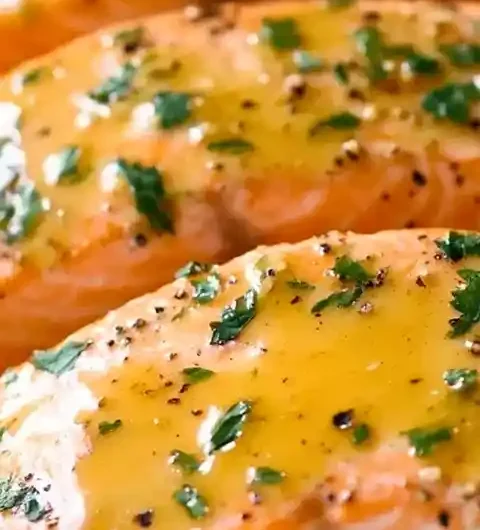
This honey mustard salmon recipe provides a nutrient-dense meal that is quick to prepare and easy to clean up. It combines omega-3 rich fish with a tangy glaze to support a healthy, anti-inflammatory diet.

List of ingredients
- 4 Tbsp honey – provides sweetness and creates a caramelized glaze.
- 2 Tbsp Dijon mustard – adds a sharp, tangy flavor profile.
- 4 skin-on salmon fillets (4 oz each, about 1 inch thick, pin bones removed) – the primary protein source.
- Olive oil – used for brushing to prevent sticking.
- Kosher salt – enhances the natural flavors of the fish.
- Freshly ground black pepper – adds a subtle heat and depth.
step-by-step instructions
- Prepare the Glaze: Whisk the honey and Dijon mustard together in a small bowl and set the mixture aside for later use.
- Prep the Salmon: Rinse the fillets under cold water and pat them completely dry with a paper towel. Brush each fillet with olive oil, then season both sides with kosher salt and freshly ground black pepper.
- Grilling Method: Preheat your grill to medium-high heat. Fold a 24-by-12-inch piece of aluminum foil into a square, crimping the edges upward to create a rim, then poke holes in the foil with a fork and brush it lightly with olive oil. Place the foil on the grill grate and set the fillets skin-side down, leaving 1 inch of space between each. Close the lid and grill for 4 minutes. Open the lid, brush each fillet generously with the honey mustard glaze, and grill for another 2-3 minutes until the salmon reaches your preferred doneness.
- Oven Method: Preheat the oven to broil and position the oven rack in the top third of the unit. Line a baking sheet with aluminum foil and brush the foil with olive oil. Place the salmon fillets skin-side down, leaving 1 inch of space between them. Broil for 2 minutes, then brush each fillet liberally with the glaze. Broil for an additional 3-4 minutes until the fish is cooked through.
- Finish and Rest: Brush a final layer of honey mustard glaze over the cooked salmon. Let the fillets rest for 3-5 minutes before serving to allow the juices to redistribute.
Cooking Tips for Optimal Results
Pat the Salmon Dry for Better Searing
Removing surface moisture from the fillets is essential for achieving a good sear. If the fish is damp, it will steam rather than brown, which prevents the glaze from adhering properly. Use a clean paper towel to press firmly on all sides of the fish.
Keep the Skin On During Cooking
Cooking salmon with the skin on acts as a protective barrier between the heat source and the delicate flesh. This prevents the fish from overcooking and helps retain internal moisture. The skin also makes the fillets easier to handle and remove from the foil.
Use a Digital Meat Thermometer
Salmon can overcook in a matter of seconds, especially under a broiler. Use an instant-read thermometer to check the internal temperature at the thickest part of the fillet. Aim for 135-145 degrees Fahrenheit depending on your preference for medium or well-done.
Let the Fish Reach Room Temperature
Taking the salmon out of the refrigerator about 15-20 minutes before cooking helps it cook more evenly. When the fish is ice-cold, the outside may overcook before the center is fully done. This small step ensures a consistent texture throughout the fillet.
Ensure the Foil is Properly Venting
When grilling on foil, poking holes is necessary to allow some heat and smoke to reach the fish. This provides a hint of grilled flavor while the foil prevents the skin from sticking to the grates. Ensure the holes are evenly distributed across the surface.
Apply the Glaze in Stages
Adding the honey mustard glaze toward the end of the cooking process prevents the sugars in the honey from burning. Honey caramelizes quickly, and applying it too early can lead to a bitter, charred exterior. The final brush after cooking adds a fresh, glossy finish.
Use High-Quality Pure Honey
Pure, unfiltered honey provides a deeper flavor and better viscosity for the glaze. Avoid honey blends that contain corn syrup, as they may not caramelize as effectively and can alter the taste. High-quality honey also contains more natural antioxidants.
Ingredient Substitutions and Diet Adjustments
Swap Honey for Maple Syrup
If you prefer a woodier, more robust sweetness, pure maple syrup is an excellent substitute for honey. Use the same 4 tablespoon measurement to maintain the consistency of the glaze. This version is often preferred for those who find honey too floral.
Use Whole Grain Mustard for Texture
Substituting Dijon mustard with whole grain mustard adds a rustic texture and a slightly milder heat. The mustard seeds provide small pops of flavor that contrast well with the smooth salmon. This is a great option for those who enjoy a more chunky glaze.
Replace Honey with Keto Sweeteners
For a low-carb or ketogenic version of this recipe, replace the honey with a sugar-free maple syrup or a liquid allulose sweetener. Ensure the sweetener is heat-stable so it does not break down during the broiling or grilling process. Adjust the amount slightly to match the sweetness level of honey.
Substitute Salmon with Tofu Steaks
To make this recipe plant-based, use extra-firm tofu cut into 1-inch thick slabs. Press the tofu to remove excess water before brushing with oil and seasoning. Follow the same grilling or broiling instructions, though you may need to increase the cooking time slightly.
Use Cauliflower Steaks as a Vegetable Alternative
Thick slices of cauliflower can be used instead of fish for a vegetable-forward meal. Brush the cauliflower with oil and roast until tender before applying the honey mustard glaze. This provides a similar caramelized effect and pairs well with the tangy mustard.
Switch Olive Oil for Avocado Oil
If you are grilling at very high temperatures, avocado oil is a better choice due to its higher smoke point. Olive oil can smoke and impart a burnt taste if the grill is too hot. Avocado oil remains stable and provides a neutral base for the seasonings.
Add Lemon Juice for Extra Brightness
Adding one teaspoon of fresh lemon juice to the glaze can balance the sweetness of the honey. The acidity cuts through the richness of the salmon fats, brightening the overall flavor. Stir the juice into the honey and mustard mixture before applying it to the fish.
Recommended Serving and Pairing Ideas
Pair with Steamed Broccoli or Kale
Steamed green vegetables provide a nutritional balance to the richness of the salmon. Broccoli and kale are high in fiber and antioxidants, which complement the anti-inflammatory goals of the dish. Lightly season them with lemon and salt to keep the flavors clean.
Serve Over a Bed of Quinoa
Quinoa is a complete protein and a gluten-free grain that absorbs the extra honey mustard glaze beautifully. Its nutty flavor pairs well with the sweet and tangy notes of the fish. Cook the quinoa in vegetable broth for added depth of flavor.
Accompany with Brown Rice
Brown rice offers a hearty, chewy texture that makes the meal more filling. The earthy tone of the whole grain balances the sweetness of the glaze. Serve the salmon fillet directly on top of a mound of warm rice.
Create a Fresh Avocado Salad
A salad made with mixed greens, sliced avocado, and a light vinaigrette adds a creamy element to the plate. Avocado provides healthy fats that work in tandem with the omega-3s in the salmon. Keep the dressing simple so it does not compete with the glaze.
Garnish with Fresh Dill or Parsley
Finely chopped fresh dill or parsley adds a burst of color and a fresh, herbal note to the finished dish. These herbs help lift the heavy flavors of the honey and mustard. Sprinkle them over the salmon immediately before serving.
Add a Side of Roasted Asparagus
Roasted asparagus provides a snap and a slight bitterness that contrasts the sweetness of the honey. Toss the spears in olive oil and salt, then roast them in the oven at the same time as the salmon. This ensures both components are hot when served.
Serve with Sautéed Spinach
Sautéing spinach with a bit of garlic and olive oil creates a soft, savory side dish. The iron-rich greens are a great accompaniment to the nutrient-dense salmon. Cook the spinach quickly over medium heat until just wilted.
Storage and Preservation Methods
Use Airtight Glass Containers
Store leftover salmon in a sealed glass container to prevent the fish from absorbing odors from the refrigerator. Glass is preferred over plastic as it does not leach chemicals and keeps the fish fresher. Ensure the container is fully sealed to maintain moisture.
Refrigerate for Three to Four Days
Cooked salmon is best consumed within 72 to 96 hours of preparation. After this period, the texture may become overly dry or the flavor may degrade. Keep the fish in the coldest part of the refrigerator, away from the door.
Reheat in the Oven for Best Texture
To avoid the rubbery texture associated with microwaves, reheat salmon in the oven at 275 degrees Fahrenheit. Place the fillets on a baking sheet and heat for about 10-15 minutes until warmed through. This method preserves the flakey texture of the fish.
Avoid Overheating in the Microwave
If using a microwave, use a low power setting and heat in 30-second intervals. Cover the fish with a damp paper towel to trap steam and prevent the salmon from drying out. Be careful not to overcook it, as salmon toughens quickly in the microwave.
Freeze Cooked Salmon Carefully
If you must freeze the salmon, wrap it tightly in plastic wrap and then place it in a freezer-safe bag. Cooked salmon can be frozen for up to two months, although the quality is highest when eaten fresh. Note that the texture may change slightly upon thawing.
Thaw Slowly in the Refrigerator
When reheating frozen salmon, thaw it slowly in the refrigerator overnight. Avoid thawing it on the counter to prevent bacterial growth. Once thawed, use the oven reheating method for the best results.
Make-Ahead and Preparation Advice
Prepare the Glaze in Advance
The honey mustard glaze can be made several days before you plan to cook the salmon. Store the mixture in a small jar or airtight container in the refrigerator. Give it a quick whisk before using to reintegrate the honey and mustard.
Avoid Marinating Salmon Too Long
Unlike beef or chicken, salmon should not be marinated for long periods, especially with acidic ingredients. Marinating for more than a few hours can break down the proteins and make the fish mushy. Applying the glaze during the cooking process is more effective.
Pre-Cut the Aluminum Foil
To save time during the dinner rush, pre-cut the foil squares and crimp the edges. This allows you to simply brush them with oil and place them on the grill or baking sheet. It reduces the amount of active prep time during the cooking phase.
Prepare the Salmon Fillets Early
Rinsing and patting the fillets dry can be done an hour before cooking. Keep the seasoned fish on a plate covered with plastic wrap in the fridge. This ensures the salt has time to penetrate the fish, enhancing the seasoning.
Organize Your Tools for Efficiency
Have your pastry brush, thermometer, and baking sheet ready before you start the heat. Because the cooking process for salmon is so fast, having your tools organized prevents you from missing the ideal window of doneness.
Preheat Your Cooking Surface
Whether using a grill or a broiler, ensure the heat is fully stabilized before adding the fish. Placing salmon on a cold surface can lead to sticking and uneven cooking. Wait until the grill is medium-high or the oven reaches the broil setting.
Common Cooking Challenges and Solutions
Preventing the Glaze from Burning
If the honey mustard glaze begins to darken too quickly, lower the heat or move the oven rack down one level. Sugars burn quickly under direct heat. Applying the glaze in the final few minutes of cooking is the best way to avoid this.
Dealing with Sticking Skin
If the salmon skin sticks to the foil, it usually means the foil wasn’t oiled enough or the grill wasn’t hot enough. Ensure you use a generous amount of olive oil on both the foil and the fish. Let the fish sear for a few minutes without moving it to allow the skin to release.
Correcting Overcooked Salmon
If the salmon becomes too dry, you can try adding a small pat of butter or a drizzle of olive oil on top before serving. While you cannot reverse the overcooking, adding a fat source can help mask the dryness. Serve it with a moist side like avocado.
Adjusting for Thinner Fillets
If your fillets are thinner than one inch, reduce the initial cooking time. Thinner pieces cook much faster and can easily become overdone. Check the internal temperature every 2 minutes to ensure the fish remains juicy.
Ensuring Uniform Cooking
Uneven thickness in a fillet can lead to some parts being overcooked while others are raw. You can gently press the thicker end of the fillet to flatten it slightly. This ensures the entire piece of fish cooks at the same rate.
Preventing Foil Tearing
If the aluminum foil tears while you are moving the salmon, try using heavy-duty foil. Alternatively, you can use two layers of standard foil for extra strength. This provides a more stable base for the fish and the glaze.
Frequently Asked Questions
Which salmon cut is best for this recipe?
The center-cut loin is the best choice because it provides a uniform thickness. This ensures that all fillets cook evenly and the glaze is applied consistently across the surface. Avoid the tail end, as it cooks much faster than the center.
Can I use frozen salmon fillets?
Yes, but they must be completely thawed before cooking. Thawing the fish in the refrigerator ensures the texture remains intact. Cooking salmon from frozen often results in an uneven cook and prevents the glaze from adhering.
How do I know when the salmon is done?
The salmon is done when the flesh changes from translucent to an opaque pink and flakes easily with a fork. For precision, use a meat thermometer to ensure the center has reached 135-145 degrees Fahrenheit.
Is honey mustard-glazed salmon healthy?
Yes, this dish is rich in omega-3 fatty acids from the salmon, which are known to help reduce inflammation. The use of olive oil and honey provides healthy fats and natural antioxidants, making it a nutritious meal.
Is the salmon skin edible?
Yes, the skin is edible and becomes crispy during the grilling or broiling process. It contains a high concentration of omega-3s. If you prefer not to eat it, the skin will peel away easily after the fish has rested.
Can I pan-sear the salmon instead of grilling?
Yes, you can sear the salmon in a non-stick skillet over medium-high heat. Cook skin-side down first for about 4-5 minutes, then flip and add the glaze for the final 2-3 minutes. Be careful with the heat to prevent the honey from burning.
Print
Honey Mustard-Glazed Salmon for Anti-Inflammation
- Total Time: 23 minutes
- Yield: 4 servings 1x
- Diet: Gluten-free, Dairy-free
Description
This honey mustard-glazed salmon recipe is quick and easy to prepare while offering anti-inflammatory benefits thanks to its omega-3-rich salmon base. Perfectly suited for grilling or oven-baking, this flavorful dish retains its moisture and pairs beautifully with any healthy side.
Ingredients
- 4 Tbsp honey
- 2 Tbsp Dijon mustard
- 4 skin-on salmon fillets (4 oz each, about 1 inch thick, pin bones removed)
- Olive oil for brushing
- Kosher salt
- Freshly ground black pepper
Instructions
- Step: In a small bowl, whisk together the honey and Dijon mustard. Set aside.
- Step: Rinse the salmon fillets and pat them dry with a paper towel. Brush each fillet with olive oil, then season with kosher salt and freshly ground black pepper.
- Step: For Grilling: Preheat a grill to medium-high heat. Fold a 24-by-12-inch piece of aluminum foil into a square, crimping the edges upward to form a rim. Poke holes in the foil with a fork and brush it lightly with olive oil. Place the foil directly on the grill grate. Set the salmon fillets on the foil, skin-side down, leaving 1 inch of space between each piece. Close the lid and grill for 4 minutes. Open the lid and brush each fillet generously with the honey mustard glaze. Close the lid and continue grilling for 2-3 more minutes or until the salmon reaches your desired doneness. Remove from the grill.
- Step: For Oven Cooking: Preheat the oven to broil and position a rack in the top third. Line a baking sheet with aluminum foil and brush the foil with olive oil. Place the salmon fillets on the foil, skin-side down, leaving 1 inch between each piece. Broil for 2 minutes, then brush each fillet liberally with the honey mustard glaze. Broil for an additional 3-4 minutes, or until the salmon is cooked through. Remove from the oven.
- Step: Brush the salmon with a final layer of honey mustard glaze and let it rest for 3-5 minutes before serving.
Notes
After cooking, the salmon skin will peel off easily. Pair with steamed vegetables or a fresh salad for an anti-inflammatory meal.
- Prep Time: 15 minutes
- Cook Time: 8 minutes
- Category: Main Dish
- Method: Grilling or Broiling
- Cuisine: European-inspired
Nutrition
- Serving Size: 1 fillet
- Calories: 350 kcal
- Sugar: 17 g
- Sodium: 410 mg
- Fat: 15 g
- Saturated Fat: 3 g
- Unsaturated Fat: 12 g
- Trans Fat: 0 g
- Carbohydrates: 18 g
- Fiber: 0 g
- Protein: 23 g
- Cholesterol: 70 mg
Keywords: anti-inflammation, Anti-inflammatory salmon recipe, Easy salmon recipes for health, Healthy honey mustard salmon, Omega-3-rich dinner ideas, quick anti-inflammatory meals