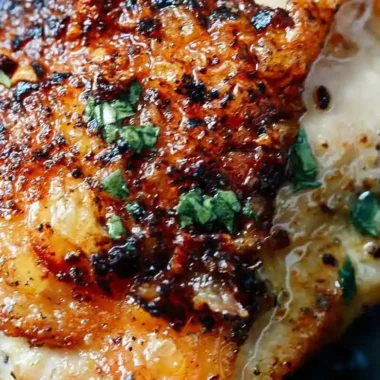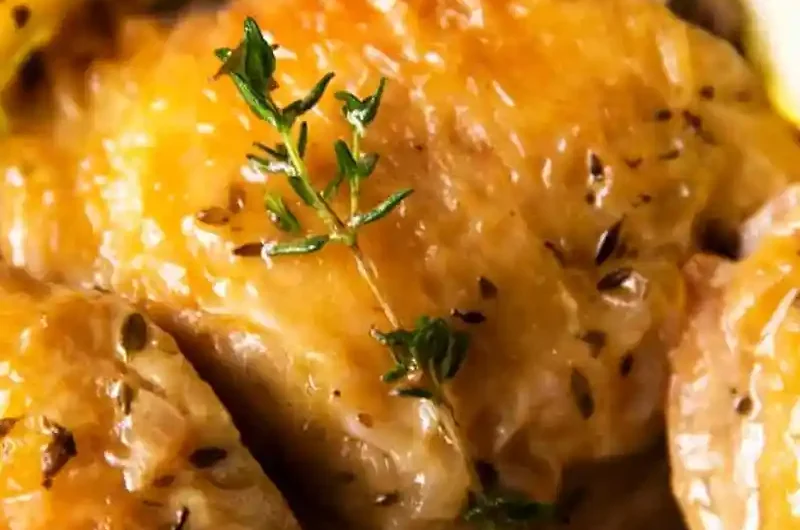
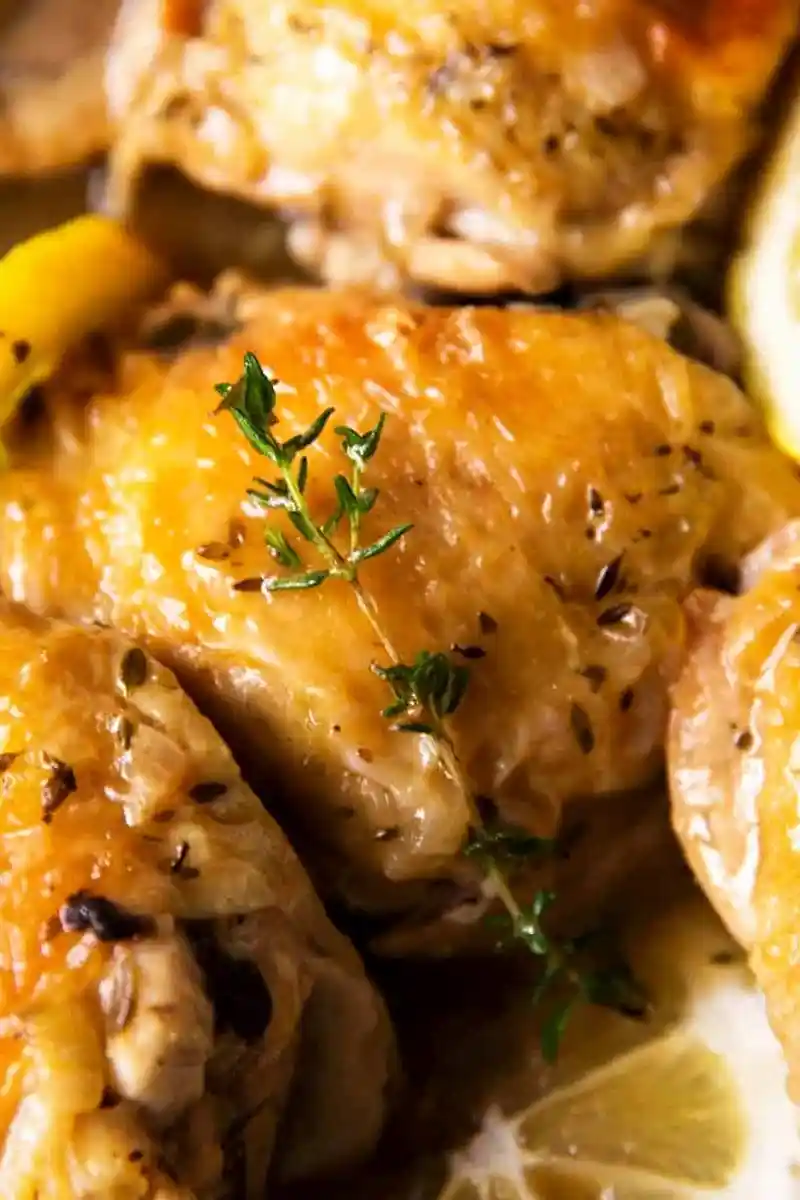
Prepare a zesty and tender dinner with this efficient pressure cooker recipe. This method creates fall-off-the-bone chicken thighs in a rich lemon sauce with minimal effort.
List of ingredients
- 1 tablespoon oil – used for browning the chicken.
- 2 pounds chicken thighs – bone-in, skin-on preferred for maximum flavor.
- 1 small onion – finely chopped.
- 2 cloves garlic – minced.
- 1 cup chicken broth – provides the liquid base for the sauce.
- 2 tablespoons lemon juice – freshly squeezed from about one lemon.
- 1 tsp dried thyme – adds earthy notes.
- 1 tsp dried rosemary – adds piney aroma.
- salt and black pepper – to taste.
- 2 teaspoons cornstarch – mixed with 1 tablespoon cold cream, milk, or water to create a slurry.
- 1 tablespoon butter – used to finish the sauce for richness.
- lemon slices – optional garnish for serving.
step-by-step instructions
- Brown meat: Set the Instant Pot to the sauté setting. Add the oil and place chicken thighs skin-side down, working in batches if necessary, until the skin is golden and crisp. Flip the pieces and brown the other side, then remove them from the pot and set them aside.
- Start sauce: Using the same pot, add the chopped onion and minced garlic. Sauté for about one minute until they begin to soften. Pour in the chicken broth, lemon juice, dried thyme, dried rosemary, salt, and pepper. Stir well, making sure to scrape all the browned bits off the bottom of the pot to avoid a burn notice.
- Pressure cook: Return the browned chicken thighs to the pot. Secure the lid and set the pressure valve to the sealing position. Select the pressure cook or manual setting on high pressure for 12 minutes for large thighs (approx. 2 per pound) or 8 minutes for small thighs (approx. 4 per pound). Allow for a natural pressure release by switching off the unit and waiting until the pressure drops completely.
- Finish sauce: Carefully remove the chicken thighs and keep them warm on a plate. Set the Instant Pot back to the sauté setting. Stir in the cornstarch slurry and simmer until the sauce reaches your desired thickness. Stir in the butter until fully melted, then pour the sauce over the chicken and garnish with lemon slices.
Ingredient Substitutions and Alternatives
Using Chicken Breasts Instead of Thighs
You can substitute chicken breasts for thighs if you prefer leaner meat. For fresh chicken breasts, reduce the high-pressure cooking time to 6-8 minutes. If using frozen breasts, cook for 12 minutes and reduce the total meat weight to 1.5 pounds to ensure even cooking.
Replacing Fresh Aromatics with Powders
If you do not have fresh onion or garlic, you can use dried powders. Substitute the fresh onion with 1 teaspoon of onion powder and the fresh garlic with 1/2 teaspoon of garlic powder. Add these directly into the broth and lemon juice mixture before pressure cooking.
Alternative Liquid Bases
While chicken broth is recommended for depth, water can be used as a substitute. If using water, increase the amount of salt and pepper to compensate for the lack of seasoning. Avoid using beef broth, as it will significantly alter the light color and citrus profile of the dish.
Modified Thickening Agents
If you are avoiding cornstarch, arrowroot powder can be used in a 1:1 ratio. For a dairy-free version of the slurry, use cold water or an unsweetened plant-based milk. Ensure the thickening agent is completely dissolved in cold liquid before adding it to the hot sauce.
Cooking Variations and Adaptations
Preparing Chicken from Frozen
To cook the chicken from a frozen state, skip the browning step entirely. Sauté the onion and garlic first, then add the frozen thighs and the sauce ingredients. Increase the pressure cooking time to 15-18 minutes, checking the internal temperature to ensure it has reached 165°F.
Doubling the Recipe Quantity
When doubling the ingredients, you may stack the chicken thighs in layers if they are defrosted. Double the measurements for the sauce, herbs, and seasonings. The pressure cooking time remains the same as the original recipe, provided the thighs are not frozen together in a solid block.
Incorporating Potatoes into the Pot
You can cook baby potatoes alongside the chicken to create a one-pot meal. Place the cleaned baby potatoes on top of the chicken before sealing the lid. This adds a hearty element to the dish, and the potatoes will absorb the lemon and herb flavors during the pressure cycle.
Perfecting the Sauce Consistency
Achieving the Ideal Thickness
The sauce thickens only when it reaches a simmer after the cornstarch slurry is added. If the sauce remains watery, ensure the sauté function is active and the liquid is bubbling. If it still lacks body, whisk in an additional teaspoon of cornstarch mixed with a teaspoon of water.
Customizing the Lemon Intensity
The base recipe provides a mild citrus flavor suitable for all ages. For a more tart and punchy sauce, double the amount of lemon juice. Adding a fresh squeeze of lemon juice immediately before serving can also brighten the overall taste profile.
Enhancing the Sauce Texture
Adding butter at the very end creates an emulsion that gives the sauce a professional, glossy appearance. This step also mellows the acidity of the lemon. Stir the butter in slowly while the sauce is hot but not boiling vigorously.
Serving and Pairing Guide
Recommended Grain Side Dishes
This lemon chicken pairs exceptionally well with fluffy white rice or quinoa. If using the Instant Pot for rice, utilize the pot-in-pot method with a stainless steel bowl to avoid overcooking the grains. Alternatively, serve over a bed of mashed potatoes or buttered noodles.
Best Vegetable Accompaniments
Roasted broccoli or asparagus provides a great textural contrast to the tender chicken. Sautéed green beans with garlic also complement the lemon sauce. For a faster option, use an air fryer to crisp these vegetables while the chicken is under pressure.
Plating and Presentation
To present the dish professionally, place the chicken on a platter and drizzle the sauce generously over the top. Arrange fresh lemon slices and a sprinkle of chopped parsley around the meat. This adds a pop of color and signals the flavor profile to the diners.
Storage and Reheating Instructions
Refrigeration Guidelines
Store leftover chicken and sauce in an airtight container in the refrigerator. The dish will remain fresh for 3 to 4 days. Keep the chicken submerged in the sauce to prevent the meat from drying out during storage.
Freezing for Future Meals
This recipe can be frozen for up to three months. Place the chicken and sauce in a freezer-safe container or vacuum-seal bag. Thaw completely in the refrigerator overnight before reheating to maintain the best texture.
Effective Reheating Methods
The best way to reheat is on the stovetop over medium-low heat, adding a splash of water or broth if the sauce has thickened too much. If using a microwave, heat on medium power in short intervals, covering the dish to trap steam and keep the chicken moist.
Common Troubleshooting
Preventing the Burn Notice
The burn notice usually occurs when food particles are stuck to the bottom of the inner pot. Ensure you deglaze the pot thoroughly after browning the chicken and sautéing the aromatics. Use a wooden spoon or silicone spatula to scrape every brown bit into the broth.
Fixing Undercooked Meat
If the chicken is still raw in the center after the initial cycle, return the lid and set the pressure cook function for another 2-3 minutes. This often happens with exceptionally thick thighs or if the pot was overfilled. Always check the thickest part of the meat with a thermometer.
Addressing a Watery Sauce
A watery sauce usually results from the chicken releasing more juices than expected. To fix this, extend the sauté time after adding the cornstarch slurry to allow more liquid to evaporate. Avoid adding more broth if the sauce is already too thin.
Frequently Asked Questions
Can I use boneless thighs?
Yes, boneless thighs work perfectly in this recipe. The cooking time remains the same as bone-in thighs, though you may find they cook slightly faster. For boneless versions, 1.5 pounds of meat is typically sufficient for four servings.
Is the skin still crispy after pressure cooking?
Pressure cooking uses steam, which softens the skin that was browned during the sauté step. To restore the crispness, you can place the cooked thighs under a broiler for 2-3 minutes before adding the sauce.
Can I use bottled lemon juice?
Bottled lemon juice is a functional substitute if fresh lemons are unavailable. However, fresh juice provides a brighter, more authentic citrus flavor. If using bottled juice, start with a smaller amount as it can sometimes be more concentrated.
What is a cornstarch slurry?
A cornstarch slurry is a mixture of cornstarch and a cold liquid, such as water, milk, or cream. Mixing it cold prevents the cornstarch from clumping when it hits the hot sauce, ensuring a smooth and consistent thickening process.
Print
Instant Pot Lemon Chicken
- Total Time: 45 minutes
- Yield: 4 servings 1x
- Diet: General
Description
Make this Instant Pot Lemon Chicken for an easy dinner tonight! It’s quick to cook and tastes absolutely delicious with the lemon sauce.
Ingredients
- 1 tablespoon oil
- 2 pounds chicken thighs (bone-in, skin-on)
- 1 small onion (chopped)
- 2 cloves garlic (minced)
- 1 cup chicken broth
- 2 tablespoons lemon juice
- 1 tsp dried thyme
- 1 tsp dried rosemary
- salt and black pepper (to taste)
- 2 teaspoons cornstarch mixed with 1 tablespoon cold cream, milk, or water
- 1 tablespoon butter
- lemon slices (optional)
Instructions
- Brown meat: Set instant pot to sauté. Add oil to pot and add thighs skin-side down. Cook, in batches if needed, until golden and crisp. Flip and cook until browned on the other side. Remove chicken from pot.
- Start sauce: Add onion and garlic to pot and cook until starting to soften, about 1 minute. Add chicken broth, lemon juice, herbs and seasoning. Stir, scraping the browned bits off the bottom of the pot.
- Pressure cook: Place chicken thighs back in the instant pot. Secure lid and set the pressure valve to “sealing”. Choose “pressure cook” (or “manual”) and “high” for 12 minutes (for large thighs, about 2 thighs per pound; cook for 8 minutes if chicken thighs are small, about 4 thighs per pound). Naturally release pressure after cooking time is up (just switch off the instant pot and leave it alone until pressure is gone).
- Finish sauce: Carefully remove thighs. Set the Instant Pot to sauté. Pour cornstarch slurry into pot, stir well and simmer until sauce has thickened. Stir in butter until melted, then serve sauce over chicken with lemon slices, if desired.
Notes
You can use boneless thighs or chicken breast (6-8 minutes for fresh, 12 minutes for frozen). For frozen chicken, skip browning and pressure cook for 15-18 minutes. Water can be used instead of chicken broth. To double the recipe, stack the chicken and double the sauce ingredients while keeping the cooking time the same.
- Prep Time: 10 minutes
- Cook Time: 35 minutes
- Category: Main Course
- Method: Pressure Cooking
- Cuisine: Traditional
Nutrition
- Serving Size: 1 serving
- Calories: 501 kcal
- Sugar: 1 g
- Sodium: 390 mg
- Fat: 39 g
- Saturated Fat: 11 g
- Unsaturated Fat: 27 g
- Trans Fat: 1 g
- Carbohydrates: 5 g
- Fiber: 1 g
- Protein: 32 g
- Cholesterol: 196 mg
Keywords: Instant Pot, lemon chicken, chicken thighs, easy dinner, pressure cooker