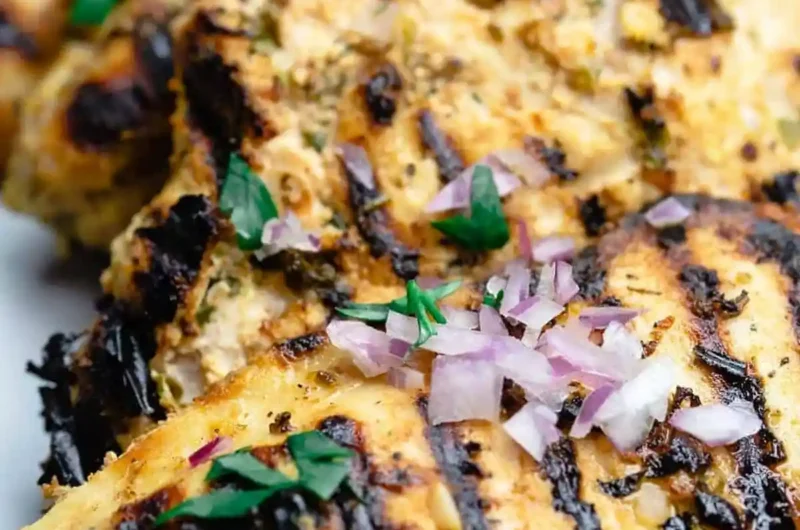
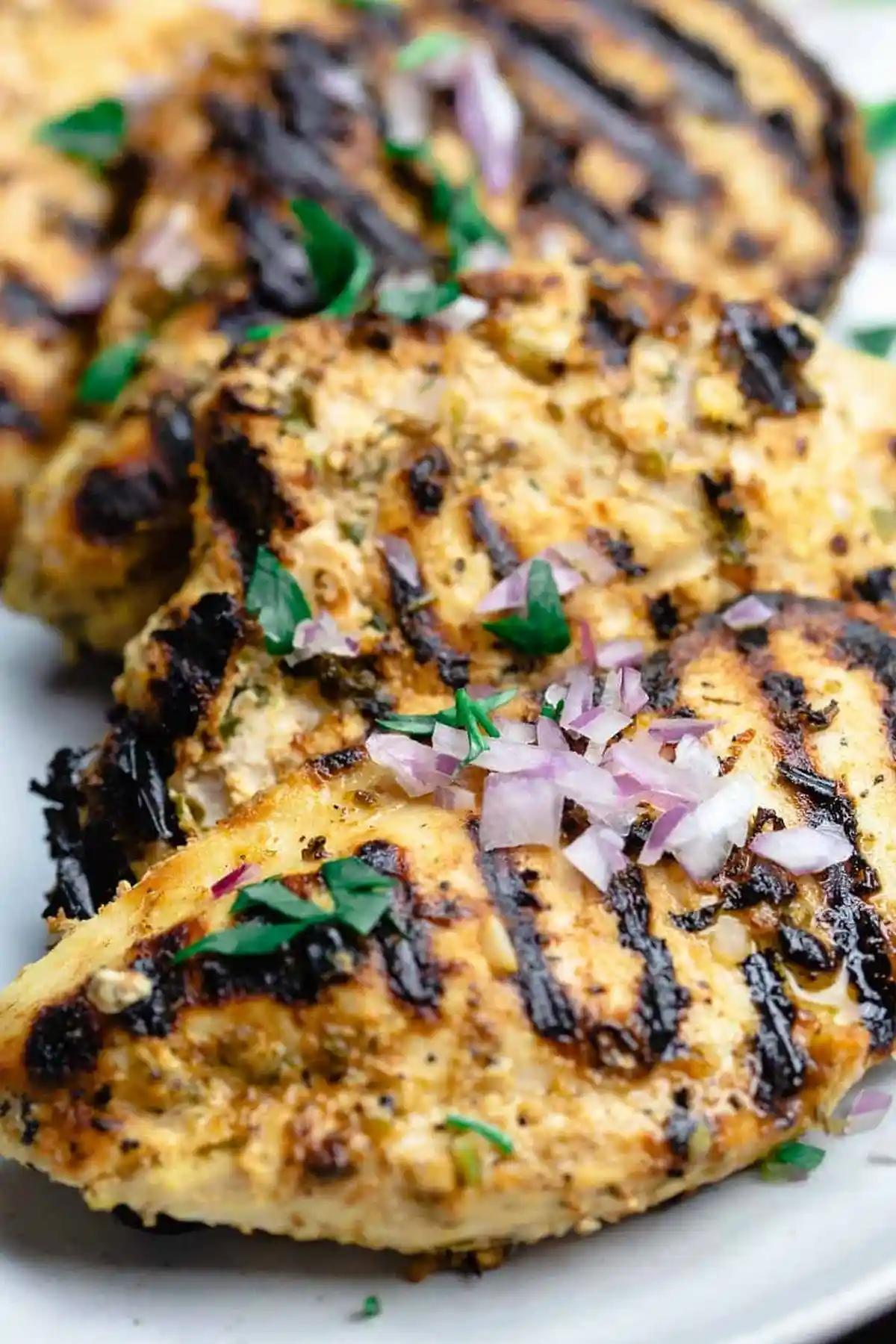
This yogurt-based marinade ensures chicken breasts remain tender and succulent through the cooking process. It combines creamy textures with bright citrus and traditional Mediterranean herbs for a professional-grade flavor profile.
List of ingredients
- 1 ½ cup whole milk yogurt – acts as the tenderizing base
- Juice of 2 lemons – provides acidity for brightness
- Zest of 1 lemon – adds concentrated citrus oils
- ¼ cup extra virgin olive oil – ensures moisture and fat
- 10 to 12 garlic cloves, minced – provides a strong aromatic base
- 2 tsp dry oregano – classic Mediterranean herb
- 2 tsp dry mint – adds a fresh, cooling note
- 1 tsp cumin – adds earthy warmth
- 1 tsp coriander – provides a light citrusy seed flavor
- 1 tsp paprika – adds color and mild sweetness
- ½ tsp nutmeg – provides a subtle depth of flavor
- Kosher salt and black pepper – to taste
- Large handful fresh parsley, chopped – adds a fresh finish
- 1 1/2 lb boneless chicken breast cutlets – the main protein
step-by-step instructions
- Prepare the marinade: Combine yogurt, lemon juice, lemon zest, and extra virgin olive oil in a mixing bowl or large measuring cup. Add the minced garlic, dried oregano, dried mint, cumin, coriander, paprika, and nutmeg. Season with kosher salt and black pepper to taste. Stir in the chopped fresh parsley.
- Mix well: Use a whisk or spoon to mix all ingredients until the marinade is smooth and well combined.
- Coat the chicken: Place the chicken breast cutlets into a gallon-size zip-top bag. Pour the prepared marinade over the meat. Seal the bag and massage the contents to ensure every piece of chicken is thoroughly coated.
- Marinate: Lay the bag flat on a baking sheet so the chicken is in a single layer. Refrigerate for at least 2 hours, preferably overnight, though 30 minutes will provide some flavor.
- Prepare for cooking: Remove the chicken from the bag. Shake off the excess marinade before cooking to prevent the meat from steaming instead of searing.
- Option 1 – Pan-sear: Heat 2 to 3 tbsp extra virgin olive oil in a non-stick skillet over medium-high heat. Cook the chicken undisturbed for 5 minutes per side until browned and cooked through.
- Option 2 – Grill: Heat an outdoor grill to medium-high and oil the grates well. Grill for 5 minutes on one side, then 3 to 5 minutes on the other until the internal temperature reaches 165 degrees F.
- Option 3 – Bake: Preheat oven to 400 degrees F. Oil a baking dish and arrange chicken in a single layer. Cover tightly with foil and bake for 10 minutes. Uncover and bake for another 8 to 10 minutes. Let the chicken rest under foil for 5 minutes before serving.
Understanding the Tenderizing Process
Role of Lactic Acid in Yogurt
The lactic acid found in whole milk yogurt breaks down the protein structures in chicken more gently than harsh vinegars. This prevents the meat from becoming rubbery or tough, which often happens with high-acid marinades. It results in a succulent texture that remains juicy even under high heat.
The Impact of Calcium
Calcium in the yogurt helps activate enzymes that further break down the proteins in the meat. This synergy between the acid and the calcium ensures that the chicken breast cutlets, which are naturally lean, stay moist. This process is especially beneficial for thicker cuts of meat.
Citrus Integration
Lemon juice adds a secondary layer of acidity that cuts through the richness of the yogurt and olive oil. The zest provides essential oils that offer a deeper citrus punch without adding too much liquid. Together, they brighten the overall flavor profile of the dish.
Cooking Technique Comparisons
Pan-Searing for Maximum Crust
Pan-searing provides the best Maillard reaction, creating a caramelized brown crust on the outside of the chicken. Using a non-stick skillet helps the yogurt marinade brown evenly without sticking to the pan. This method is the fastest way to get a deep, savory flavor.
Grilling for Smoky Depth
Grilling introduces a smoky charred element that complements the earthy cumin and coriander. It is essential to oil the grill grates heavily to prevent the yogurt from sticking. This method is ideal for outdoor gatherings and larger batches of meat.
Baking for Consistent Results
Baking is the most hands-off approach and ensures the chicken cooks evenly throughout. Covering the dish with foil for the first 10 minutes traps steam, which keeps the interior moist. The final uncovered period allows the top to brown slightly.
Customizing the Flavor Profile
Italian-Style Herb Variations
To move the flavor profile toward an Italian style, replace the mint and cumin with fresh thyme and rosemary. You can also add a pinch of dried basil to the mix. This creates a woody, aromatic marinade that pairs well with pasta.
North African Spice Twists
For a Moroccan vibe, incorporate a teaspoon of Ras El Hanout or a small amount of Harissa paste. These additions bring a complex, warm heat to the yogurt base. Pair this version with couscous or dried apricots for an authentic feel.
Adding Spicy Heat
If you prefer a spicy kick, whisk in a half teaspoon of cayenne pepper or a tablespoon of Cajun seasoning. The creaminess of the yogurt helps balance the heat of the spices. This prevents the spice from overpowering the other Mediterranean flavors.
Fresh Herb Substitutions
While parsley is traditional, fresh cilantro or mint leaves can be used for a different freshness. Finely chopping the herbs ensures they distribute evenly through the marinade. Fresh herbs provide a brighter contrast to the dried spices.
Optimal Marinating Guidelines
The 30-Minute Quick Soak
If you are short on time, 30 minutes in the refrigerator is sufficient to add surface flavor. While the meat won’t be as tender as an overnight soak, the yogurt still provides a protective layer. This is perfect for quick weeknight dinners.
The Overnight Infusion
Marinating for 12 to 24 hours allows the spices to penetrate deep into the muscle fibers. This results in the most intense flavor and the softest texture. Always use a sealed bag or airtight container to prevent the chicken from absorbing refrigerator odors.
Maximum Marinating Limits
Avoid marinating chicken in yogurt for more than 48 hours. Over-marinating can cause the meat to break down too much, leading to a mushy texture. Two days is the upper limit for maintaining a desirable bite.
Serving and Pairing Ideas
Fresh Mediterranean Salads
Serve the chicken alongside a classic Greek salad with cucumbers, kalamata olives, and feta cheese. The acidity of a vinaigrette-based salad balances the richness of the yogurt marinade. This combination creates a light and healthy meal.
Grain-Based Accompaniments
Greek lemon rice or a fluffy quinoa pilaf are excellent choices for soaking up any remaining juices. You can also serve the chicken over a bed of hummus or baba ganoush. These pairings add heartiness and traditional Mediterranean textures.
Dips and Sauces
Tzatziki is the perfect companion for this dish, as it mirrors the yogurt base of the marinade. Toum (garlic sauce) provides an extra punch of aromatics for those who love garlic. A drizzle of tahini can also add a nutty contrast.
Roasted Vegetable Sides
Pair the chicken with roasted zucchini sticks or pan-fried Brussels sprouts. Toss the vegetables in olive oil, salt, and lemon juice to match the chicken’s profile. Roasting them at 400 degrees F aligns with the baking time of the chicken.
Storage and Reheating Tips
Preserving the Raw Marinade
You can prepare the yogurt marinade itself up to two days in advance. Store it in a glass jar with a tight lid to keep it fresh. This makes the actual process of preparing the chicken much faster during the work week.
Storing Cooked Chicken
Once cooked, store the chicken in an airtight container in the refrigerator for up to 3 to 4 days. Do not leave the chicken at room temperature for more than two hours. This ensures food safety and prevents bacterial growth.
Best Reheating Methods
To reheat the chicken without drying it out, use a skillet over low heat with a splash of water or broth. Cover the pan to create steam, which re-hydrates the meat. Avoid overcooking during the reheating process to maintain the tender texture.
Microwave Reheating Advice
If using a microwave, place the chicken in a microwave-safe dish and cover it with a damp paper towel. Heat in short 30-second intervals on medium power. This prevents the edges from becoming tough or rubbery.
Troubleshooting Common Issues
Preventing Meat from Sticking
If the chicken sticks to the pan or grill, it is usually because there wasn’t enough oil or the surface wasn’t hot enough. Ensure the oil is shimmering before adding the meat. Also, remember to shake off excess yogurt, as too much can cause sticking.
Avoiding Dry Chicken Breasts
Dryness usually occurs when chicken is overcooked. Use a meat thermometer to ensure the internal temperature reaches exactly 165 degrees F. Remove the chicken from the heat slightly early and let it rest to allow juices to redistribute.
Handling Marinade Clumps
If the marinade appears lumpy, it is likely due to the garlic or spices not being fully integrated. Use a whisk or an immersion blender for a completely smooth consistency. Ensuring the yogurt is at room temperature slightly can also help with mixing.
Frequently Asked Questions
Can I use Greek yogurt instead of whole milk yogurt?
Yes, you can use Greek yogurt, but it is thicker and more acidic. You may need to add an extra tablespoon of olive oil or a splash of water to achieve the same consistency as whole milk yogurt.
Can this marinade be used for chicken thighs?
Absolutely, this marinade works exceptionally well for chicken thighs. Because thighs have more fat, they can handle longer marinating times and higher grill temperatures without drying out.
Is it safe to freeze chicken in this marinade?
Yes, you can freeze the chicken and marinade together in a zip-top bag. The chicken will marinate as it thaws in the refrigerator. This is an excellent way to meal prep for the following week.
What can I use if I don’t have fresh lemons?
Bottled lemon juice is a viable substitute, though it lacks the brightness of fresh citrus. Use 1 tablespoon of bottled juice for every 1 tablespoon of fresh juice, and omit the zest or use a pinch of citric acid.
How do I know when the chicken is fully cooked?
The most reliable method is using an instant-read thermometer to check for 165 degrees F. If you don’t have one, the juices should run clear when the thickest part of the breast is pierced with a fork.
Print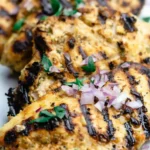
Mediterranean Yogurt Chicken Marinade
- Total Time: 20 minutes
- Yield: 6 servings 1x
- Diet: General
Description
Ready to take your chicken dinner to a whole new level of delicious? The secret to tender, succulent, flavor packed chicken is in this yogurt chicken marinade. Made with whole milk yogurt, citrus, and extra virgin olive oil, with loads of Mediterranean flavors from garlic, spices, and fresh herbs.
Ingredients
- 1 ½ cup whole milk yogurt
- Juice of 2 lemons
- Zest of 1 lemon
- ¼ cup extra virgin olive oil
- 10 to 12 garlic cloves, minced
- 2 tsp dry oregano
- 2 tsp dry mint
- 1 tsp cumin
- 1 tsp coriander
- 1 tsp paprika
- ½ tsp nutmeg
- Kosher salt and black pepper to taste
- Large handful fresh parsley, chopped
- 1 1/2 lb boneless chicken breast cutlets
Instructions
- Step: Place yogurt, lemon juice, lemon zest and extra virgin olive oil in a mixing bowl or large measuring cup. Add garlic, dried oregano and mint, cumin, coriander, paprika, and nutmeg. Season with kosher salt and black pepper to taste. Finally, add in fresh chopped parsley.
- Step: Give everything a good whisk or mix until the marinade is well combined.
- Step: Place chicken pieces in large (gallon size) zip-top bag. Pour the marinade on top. Zip the bag shut. Massage the bag so that the chicken is well-coated with the marinade. Place the bag on a baking sheet so that the chicken sits flat in a single layer in the bag. Refrigerate for 2 hours or overnight.
- Step: Remove chicken from the bag, and before you cook it, give it just a bit of a shake to remove excess marinade.
- Step: Pan-sear: Heat 2 to 3 tbsp extra virgin olive oil in a non-stick skillet over medium-high until shimmering. Add chicken to the pan. Cook on one side undisturbed for 5 minutes until browned, then turn over and cook on other side for another 5 minutes or until chicken is done.
- Step: Grill: Heat an outdoor grill to medium-high and oil the grates very well. Grill chicken for 5 minutes on one side, then turn over and cook another 3 to 5 minutes or until internal temperature registers 165 degrees F.
- Step: Bake: Heat oven to 400 degrees F. Brush a baking dish with extra virgin olive oil. Arrange chicken in one single layer. Cover the baking dish tightly with foil and bake for 10 minutes covered, then uncover and bake another 8 to 10 minutes. Let chicken breasts rest for 5 minutes.
Notes
This marinade works for 1 1/2 to 2 lb chicken pieces. For best results, marinate in the fridge for a few hours or overnight to allow the lactic acid and calcium in the yogurt to tenderize the meat. The marinade can be prepared 2 nights in advance and kept refrigerated in a tight-lid glass container.
- Prep Time: 10 minutes
- Cook Time: 10 minutes
- Category: Entree
- Method: Mixed
- Cuisine: Mediterranean
Nutrition
- Serving Size: 1 serving
- Calories: 257 kcal
- Sugar: 5 g
- Sodium: 480 mg
- Fat: 14 g
- Saturated Fat: 4 g
- Unsaturated Fat: 10 g
- Trans Fat: 0 g
- Carbohydrates: 7 g
- Fiber: 1 g
- Protein: 32 g
- Cholesterol: 95 mg
Keywords: chicken marinade, yogurt chicken, Mediterranean chicken, tender chicken, Greek chicken