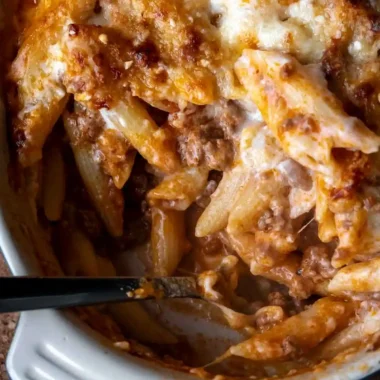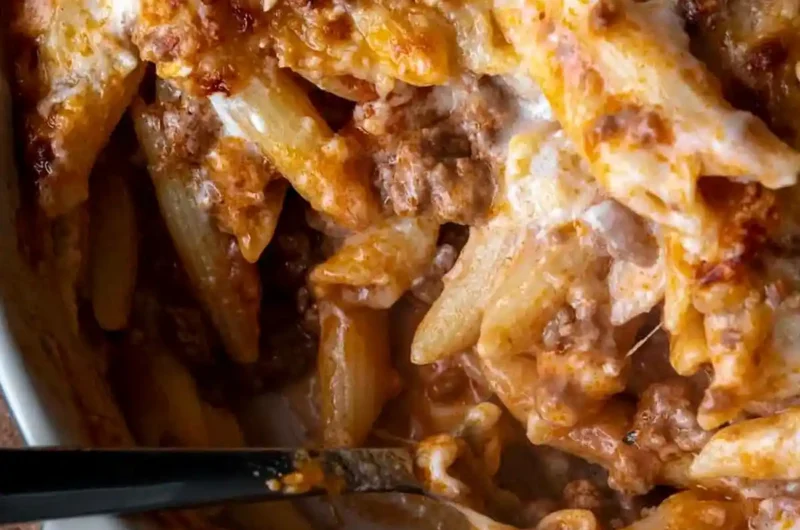
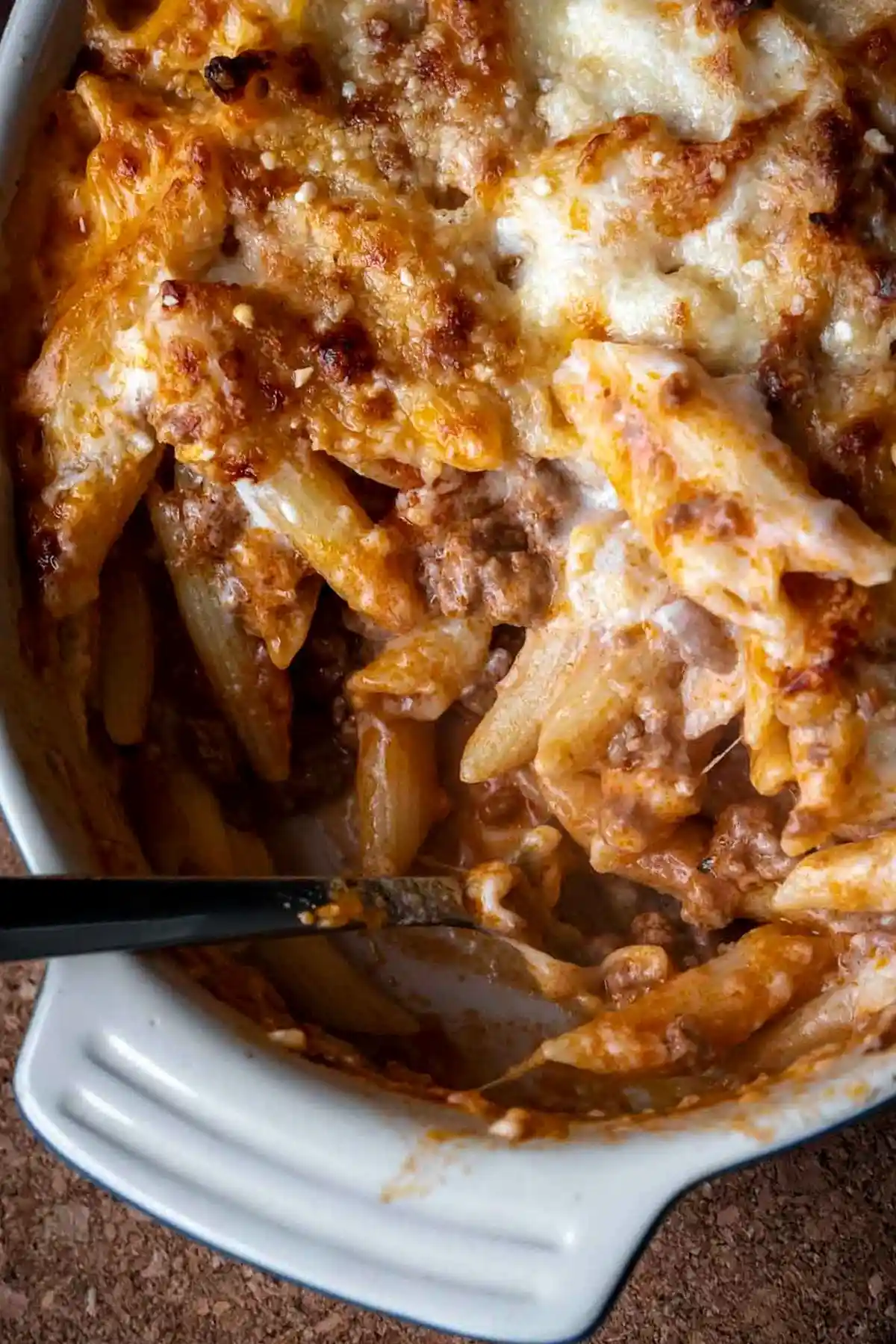
Pasta al Forno, which translates to baked pasta, is a quintessential Italian comfort meal that transforms simple pantry staples into a bubbly, golden, and deeply satisfying dinner. By combining al dente short-cut pasta with a rich, savory meat-based sauce and a velvety homemade white sauce, this dish creates a harmonious blend of textures that is perfect for family gatherings or cozy weeknight meals. The magic truly happens in the oven, where the layers mingle and a delicate, crunchy parmesan crust forms on the surface.
List of ingredients
- 6 oz Pasta
- 14 oz Ragù sauce
- Parmigiano Cheese, grated
- 2 cups Milk, warm or room temperature
- 3 tbsp Butter
- 3 tbsp Flour
- Salt
- Black Pepper
- Nutmeg
step-by-step instructions
- Prepare the Béchamel sauce: Melt the butter on medium heat, add the flour, and whisk to create a roux. Slowly add the warm milk, whisking constantly to avoid lumps, then cook on low heat until thickened. Season with salt, pepper, and nutmeg to taste.
- Assembly: Boil pasta in salted water and drain 3-4 minutes before finished cooking. Layer the baking dish with a bit of Béchamel. Mix pasta with the Ragù and remaining Béchamel, or layer them as desired in the dish.
- Bake: Finish with a final layer of Béchamel and a generous amount of grated Parmigiano cheese. Bake at 370°F (190°C) for 20 minutes, using the broiler for the last 2-3 minutes for a crispy crust.
Refining Your Technique for Superior Texture
Managing Pasta Integrity
The secret to a successful baked pasta is avoiding the overcooked, soggy texture that often plagues inexperienced cooks. By stopping the boiling process while the pasta still has a noticeable ‘bite’ or crunch in the center, you ensure that the internal starch structure remains intact during the high-heat oven stage. The pasta will absorb the moisture from both the ragù and the béchamel, effectively becoming perfectly tender at the exact moment the crust reaches perfection.
Achieving a Silk-Smooth Béchamel
The roux-based white sauce is a foundation of Italian cooking, but it requires patience to remain smooth. Always ensure your milk is at least room temperature before adding it to the butter-flour mixture, as cold milk can cause the butter to seize and create stubborn clumps. If you find small lumps despite your best efforts, simply pass the finished sauce through a fine-mesh sieve into a clean bowl to instantly regain a velvety, professional-grade consistency.
Customizing Your Baked Pasta
Vegetarian and Plant-Forward Variations
To create a hearty meatless version of this dish, consider substituting the traditional meat-heavy ragù with a lentil-based sauce or a finely diced medley of roasted mushrooms and walnuts. These ingredients offer an earthy, robust flavor profile that stands up well to the richness of the béchamel and cheese. For an even more vibrant twist, incorporate sun-dried tomatoes or finely chopped spinach into the white sauce to add a burst of color and brightness that contrasts beautifully with the savory cheese topping.
Dairy-Free and Dietary Adjustments
Adapting this dish for dairy sensitivities is straightforward when you focus on the chemistry of the sauce. Replace dairy milk with unsweetened oat or soy milk, which have a high protein content that assists in thickening the roux effectively. For the cheesy topping, nutritional yeast mixed with crushed toasted breadcrumbs provides a surprisingly authentic savory crunch that mimics the experience of a traditional parmesan crust without using animal products.
Optimal Serving and Presentation
Developing the Perfect Crust
The visual appeal of pasta al forno is largely dictated by the top layer. To maximize the crunch, ensure your layer of parmigiano is uniform and not too thick, as an excessive amount can become oily rather than crisp. Rotating the dish halfway through the baking time helps achieve an even color across the surface, especially if your oven has hotspots. Once removed from the heat, allow the dish to rest for five to eight minutes, which lets the sauces set slightly and makes portioning much cleaner.
Side Dish Pairings
Because this dish is dense, creamy, and flavorful, it pairs exceptionally well with bright, acidic sides that cleanse the palate. A crisp arugula salad dressed with a sharp lemon vinaigrette is an ideal accompaniment, as the peppery notes of the greens offset the heavy cream and protein. Roasted asparagus or blanched green beans with a dash of sea salt also provide a welcome crunch and freshness to the meal.
Storage and Reheating Protocols
Managing Leftovers Safely
Properly cooled pasta al forno can last in the refrigerator for up to 48 hours when stored in an airtight container. The key to preserving its quality is to minimize air exposure, which prevents the pasta from dehydrating and the sauce from developing a film. If you know you will have leftovers, store them in smaller, individual-sized portions so that you can reheat only what you need without subjecting the entire batch to multiple temperature fluctuations.
Best Methods for Reheating
While the microwave is the fastest method, it can sometimes lead to uneven heating or soggy edges. For the best results, use the oven at a moderate temperature of 325°F (160°C). Cover the dish with aluminum foil for the first 10 minutes to retain moisture, then uncover for the final 5 minutes to restore a hint of crispness to the top cheese layer. If the dish looks particularly dry, you can sprinkle a tablespoon of warm water or broth over the top before covering with foil.
Common Queries and Expert Solutions
Why does my sauce separate?
Sauce separation often occurs if the heat is too high when mixing the dairy with the fats. Ensure you keep the temperature at a gentle simmer rather than a rapid boil, as high heat can break the emulsion. If the sauce begins to look thin, continue whisking; the starches in the flour need time to hydrate fully and swell, which will naturally thicken the sauce as it cools slightly.
Can I assemble this earlier in the day?
Yes, assembling this dish in advance is actually a smart strategy for hosting or busy weeknights. Once assembled in your baking dish, cover it tightly with plastic wrap and keep it in the refrigerator for up to 24 hours. When ready to bake, remove the dish from the refrigerator about 30 minutes before putting it into the oven to allow for more even heat distribution throughout the pasta layers, which prevents a cold, undercooked center.
What is the benefit of mixing all ingredients versus layering?
Mixing all the components together ensures that every individual bite is coated in the creamy sauce and the savory ragù, which provides a uniform experience throughout the dish. Layering is a more traditional aesthetic choice that mimics the look of a sliced lasagna, but it requires more careful structural planning. For a classic family-style dinner, mixing is highly recommended for efficiency and consistent flavor distribution in every portion served.
Print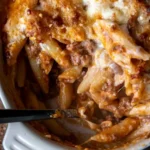
Pasta al Forno – The Ultimate Baked Pasta
- Total Time: 45 minutes
- Yield: 2 servings 1x
- Diet: Vegetarian-Friendly Option
Description
The flavor of classic Lasagna but much faster and easier made with any short cut pasta you have available. The crispy crust is the best part!
Ingredients
- 6 oz Pasta
- 14 oz Ragù sauce
- Parmigiano Cheese, grated
- 2 cups Milk, warm or room temperature
- 3 tbsp Butter
- 3 tbsp Flour
- Salt
- Black Pepper
- Nutmeg
Instructions
- Prepare the Béchamel sauce: Melt the butter on medium heat, add the flour, and whisk to create a roux. Slowly add the warm milk, whisking constantly to avoid lumps, then cook on low heat until thickened. Season with salt, pepper, and nutmeg to taste.
- Assembly: Boil pasta in salted water and drain 3-4 minutes before finished cooking. Layer the baking dish with a bit of Béchamel. Mix pasta with the Ragù and remaining Béchamel, or layer them as desired in the dish.
- Bake: Finish with a final layer of Béchamel and a generous amount of grated Parmigiano cheese. Bake at 370°F (190°C) for 20 minutes, using the broiler for the last 2-3 minutes for a crispy crust.
Notes
Use dried short pasta such as penne, rigatoni, or fusilli for the best consistency. You can prepare the Ragù and Béchamel in advance to save time.
- Prep Time: 10 minutes
- Cook Time: 35 minutes
- Category: Main Course
- Method: Baking
- Cuisine: Italian
Nutrition
- Serving Size: 1 serving
- Calories: 717 kcal
- Sugar: 8 g
- Sodium: 1315 mg
- Fat: 29 g
- Saturated Fat: 17 g
- Unsaturated Fat: 10 g
- Trans Fat: 0 g
- Carbohydrates: 92 g
- Fiber: 4 g
- Protein: 24 g
- Cholesterol: 142 mg
Keywords: pasta bake, pasta al forno, comfort food, italian, baked pasta