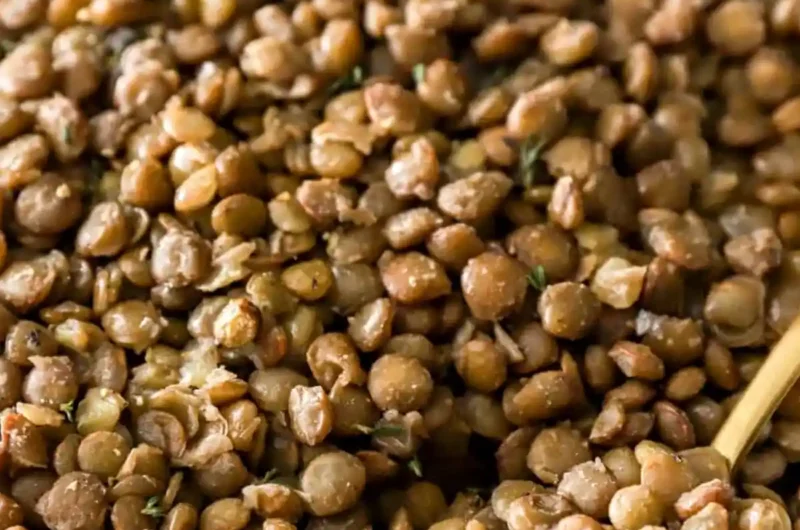
Master the art of cooking green and brown lentils for a nutritious, protein-rich addition to your diet. This guide provides precise methods for both stovetop and pressure cooker preparation to ensure a tender texture every time.
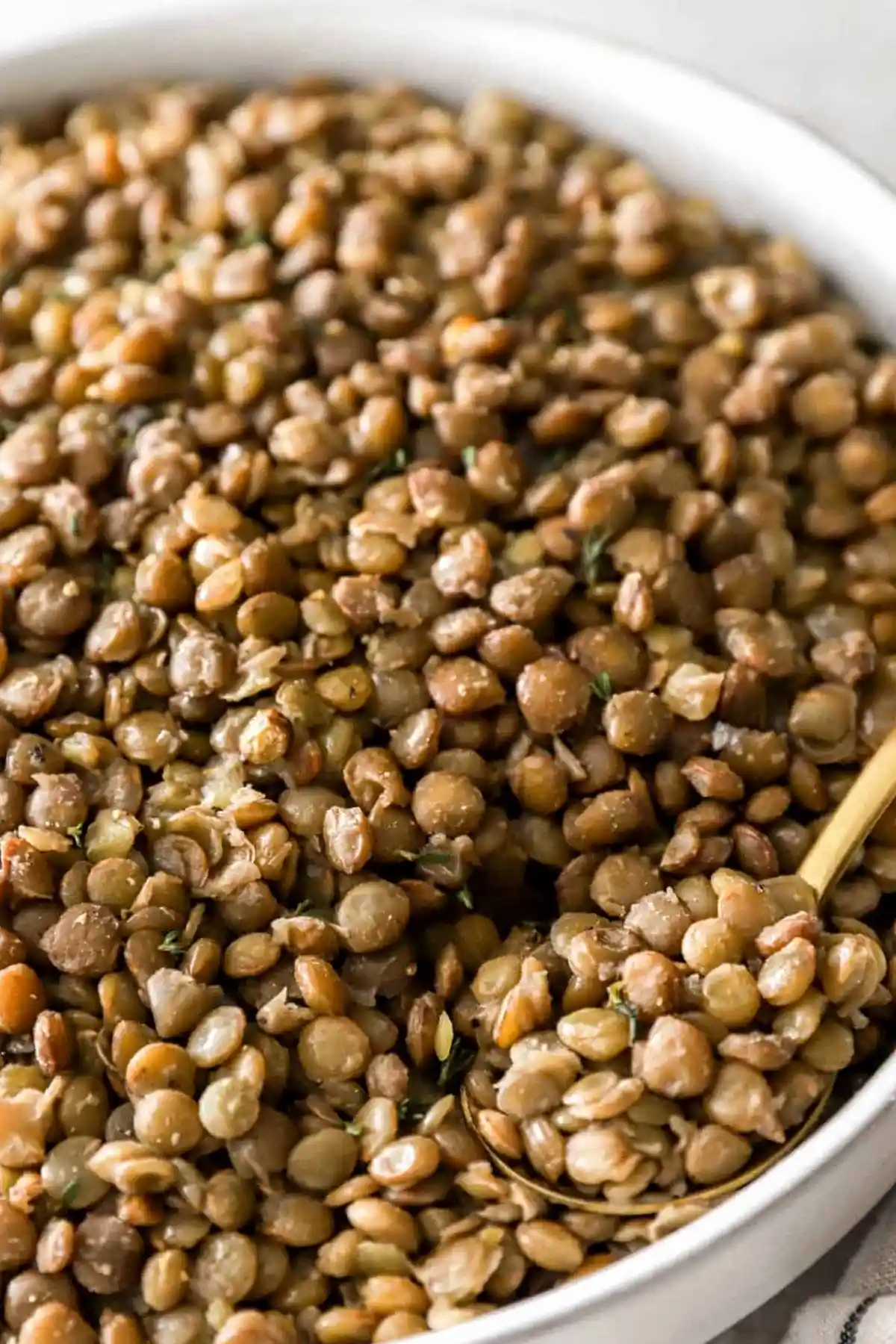
List of ingredients
- 1 cup dry lentils (green or brown, picked through and rinsed) – provide the main protein and fiber.
- 2 cups water or vegetable broth – used as the cooking liquid for hydration.
- 1 bay leaf or 3 sprigs of thyme (optional) – adds a subtle earthy aroma.
- 1 shallot, peeled (optional) – used for stovetop flavor infusion.
- 1/2 teaspoon salt – for seasoning after the cooking process.
- 1 tablespoon olive oil (optional) – used to finish the dish for a silky texture.
step-by-step instructions
- Prepare the Lentils: Place dry lentils in a fine-mesh sieve, rinse thoroughly under cold water, and pick out any small stones or debris.
- Stovetop Method – Combine: Add the rinsed lentils, water or broth, bay leaf or thyme, and the peeled shallot to a medium-sized pot.
- Stovetop Method – Boil: Turn the heat to high and bring the liquid to a rolling boil.
- Stovetop Method – Simmer: Cover the pot with a lid, reduce the heat to low, and simmer gently for 20-30 minutes until the lentils are tender but still hold their shape.
- Stovetop Method – Monitor: Check the water level occasionally during simmering and add a splash more water if the liquid evaporates too quickly.
- Stovetop Method – Finish: Remove the pot from heat, discard the shallot and herbs, and strain any remaining liquid. Stir in salt and olive oil.
- Instant Pot Method – Combine: Place the rinsed lentils, water or broth, and herbs into the inner liner of the Instant Pot.
- Instant Pot Method – Cook: Seal the lid and set the valve to sealing. Cook on manual high pressure for 5 minutes.
- Instant Pot Method – Release: Allow the pressure to release naturally for 5 minutes, then manually vent any remaining steam.
- Instant Pot Method – Finish: Immediately strain the lentils to stop the cooking process. Discard herbs and stir in salt and olive oil in a separate bowl.
Guide to Lentil Varieties
Flat Green and Brown Lentils
These are the most common varieties found in grocery stores. They maintain a decent structure but soften significantly, making them ideal for thick soups and veggie burgers.
French Green Puy Lentils
Puy lentils are smaller and rounder than brown lentils. They remain al dente after cooking and hold their shape well, which makes them perfect for cold salads.
Beluga Black Lentils
Named for their caviar-like appearance, these lentils have a firm texture and a strong earthy flavor. They are highly nutritious and work best in side dishes or as a meat substitute.
Red and Yellow Split Lentils
These lentils lack skins and are split, causing them to cook much faster than whole lentils. They break down into a creamy consistency, making them the primary choice for dahls and purees.
Preparation Essentials
Rinsing and Sorting
Always transfer dry lentils to a fine-mesh sieve and rinse until the water runs clear. This removes dust and prevents the ingestion of small pebbles or debris often found in dried legumes.
The Truth About Soaking
Lentils do not require soaking before cooking. However, soaking them overnight can reduce the cooking time by approximately half, which is helpful for very old batches of lentils.
Using Fresh Lentils
Use lentils that have been purchased recently to ensure consistent cooking times. Older lentils may have dried out more and will require significantly more simmering time to soften.
Flavor Optimization Techniques
Substituting Water with Broth
Using vegetable broth instead of water infuses the lentils with savory notes from the start. This is particularly useful if you are serving the lentils as a standalone side dish.
Adding Aromatic Herbs
Bay leaves, thyme, and shallots add depth to the earthy flavor of the lentils. These should be added at the beginning of the boiling process and removed before serving.
The Importance of Post-Cooking Salt
Add salt only after the lentils have finished cooking. Adding salt too early can toughen the skins and prevent the legumes from softening properly during the simmer.
Finishing with Healthy Fats
Stirring in a tablespoon of olive oil or a small piece of unsalted butter after draining adds a rich mouthfeel. This helps the seasoning cling to the lentils more effectively.
Avoiding Common Cooking Mistakes
Preventing Mushy Texture
Overcooking is the most common error when preparing lentils. Turn off the heat the moment the lentils reach a tender consistency to prevent them from turning into a paste.
Managing Liquid Evaporation
When cooking on a stovetop, the liquid can evaporate faster than the lentils cook. Keep a kettle of hot water nearby to top up the pot without dropping the temperature.
Identifying Undercooked Lentils
Undercooked lentils can be difficult to digest and may taste raw. Ensure the center of the lentil is soft before straining, adding 5-minute increments of time if necessary.
Regulating Heat Levels
Avoid boiling lentils vigorously for the entire duration. A gentle simmer is necessary to cook the interior of the lentil without breaking the outer skin.
Serving and Pairing Ideas
Hearty Side Dish
Serve lentils warm with a drizzle of olive oil and a squeeze of fresh lemon juice. This brightness cuts through the earthiness of the legumes.
Cold Lentil Salads
Use French green or black lentils for salads. Mix them with diced cucumbers, cherry tomatoes, fresh parsley, and a vinaigrette made of apple cider vinegar and olive oil.
Protein-Rich Grain Bowls
Combine cooked lentils with quinoa or farro, roasted sweet potatoes, and steamed kale. Top the bowl with a tahini dressing for a complete plant-based meal.
Veggie Burger Base
Mash overcooked brown lentils with breadcrumbs, sautéed onions, and garlic powder. Form into patties and sear in a pan for a hearty meatless burger.
Breakfast Topping
Warm lentils can be served in a bowl topped with a poached or fried egg. Season with cracked black pepper and a pinch of paprika for a savory start to the day.
Storage and Preservation
Refrigeration Limits
Store cooked lentils in an airtight glass container in the refrigerator. They will remain fresh and safe to eat for 5 to 7 days.
Flash-Freezing Method
To prevent lentils from clumping, spread them on a baking sheet and freeze for 20 minutes. Once frozen individually, transfer them to a freezer-safe bag for up to 6 months.
Defrosting Process
Thaw frozen lentils by placing them in the refrigerator overnight. For quicker results, let them sit at room temperature for about 20 minutes before reheating.
Maintaining Quality
Avoid freezing lentils that have already been mixed into a creamy sauce or puree. These may separate or change texture during the freezing and thawing process.
Reheating Instructions
Stovetop Reheating
Place lentils in a small pan with a tablespoon of water or broth. Heat over medium-low flame, stirring occasionally until warmed through.
Microwave Method
Place lentils in a microwave-safe bowl and cover with a damp paper towel. Heat in 30-second intervals, stirring in between to ensure even heating.
Integrating into Soups
Add pre-cooked lentils to a simmering soup during the last 10 minutes of cooking. This warms the lentils without overcooking them into a mushy state.
Frequently Asked Questions
Are lentils gluten-free?
Yes, lentils are naturally gluten-free. However, check for certified gluten-free labels if you have a severe allergy, as cross-contamination can occur in processing plants.
How long do cooked lentils stay fresh?
Cooked lentils stay fresh for 5-7 days when stored in an airtight container in the refrigerator.
Can I freeze lentils?
Yes, cooked and drained lentils can be frozen for up to 6 months. Use the flash-freeze method on a tray first to avoid a solid block of lentils.
Troubleshooting Texture Issues
Lentils Remain Hard After Cooking
If lentils are still hard after the recommended time, they may be old. Add more water and continue simmering for another 10-15 minutes, or add a pinch of baking soda to soften the water.
Lentils Became Too Mushy
Once lentils are mushy, they cannot be reversed. Use them as a thickener for soups, blend them into a hummus-style dip, or use them as a binder for veggie patties.
Water Is Too Cloudy
Cloudy water is normal as lentils release starches during cooking. If you prefer a cleaner look, rinse the lentils thoroughly after draining and before seasoning.
Lentils Taste Bitter
Bitterness usually comes from poor rinsing or old stock. Rinse the cooked lentils with warm water and add a small amount of acid, like lemon juice, to neutralize the flavor.
Print
Perfectly Cooked Green and Brown Lentils Guide
- Total Time: 25 minutes
- Yield: 2.5 cups 1x
- Diet: Vegan
Description
Learn how to cook lentils on the stovetop and Instant Pot with this step-by-step guide complete with a recipe and tips and tricks!
Ingredients
- 1 cup lentils, picked through and rinsed
- 2 cups water or vegetable broth
- 1 bay leaf or 3 sprigs of thyme (optional)
- 1 shallot, peeled (optional)
- ½ teaspoon salt
- 1 tablespoon olive oil (optional)
Instructions
- Prepare (Stovetop): Add lentils, water, herbs, and shallot to a medium pot.
- Boil: Turn on heat and bring lentils to a rolling boil.
- Simmer: Cover and reduce heat to let simmer gently for 20-30 minutes until lentils are tender but not mushy.
- Strain: Remove from heat, discard herbs and shallot, and strain lentils.
- Season: Place lentils in a bowl and add salt.
- Finish: Stir in olive oil and additional seasonings if serving as a side.
- Instant Pot Alternative: Add lentils, water, and herbs to the liner; cook on manual high pressure for 5 minutes with a 5-minute natural release; strain and season.
Notes
Leftover lentils stay fresh in an airtight container in the fridge for 5-7 days. To freeze, drain and cool completely, freeze on a sheet pan for 15-20 minutes, then transfer to a storage bag for up to 6 months.
- Prep Time: 5 minutes
- Cook Time: 20 minutes
- Category: Side Dish
- Method: Instant Pot, Stove Top
- Cuisine: American, Mediterranean
Nutrition
- Serving Size: 1 serving
- Calories: 401 kcal
- Sugar: 2 g
- Sodium: 599 mg
- Fat: 8 g
- Saturated Fat: 1 g
- Unsaturated Fat: 6 g
- Trans Fat: 0 g
- Carbohydrates: 58 g
- Fiber: 29 g
- Protein: 25 g
- Cholesterol: 0 mg
Keywords: how do you cook lentils, how to cook lentils, how to make lentils, how to prepare lentils