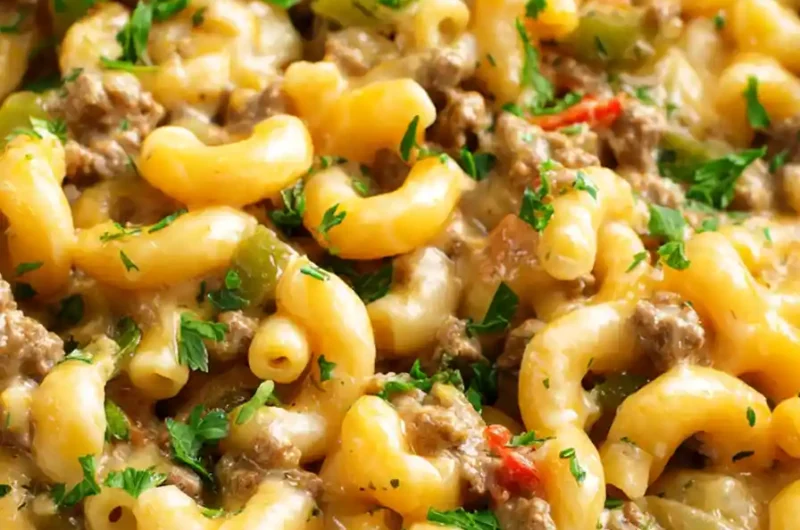
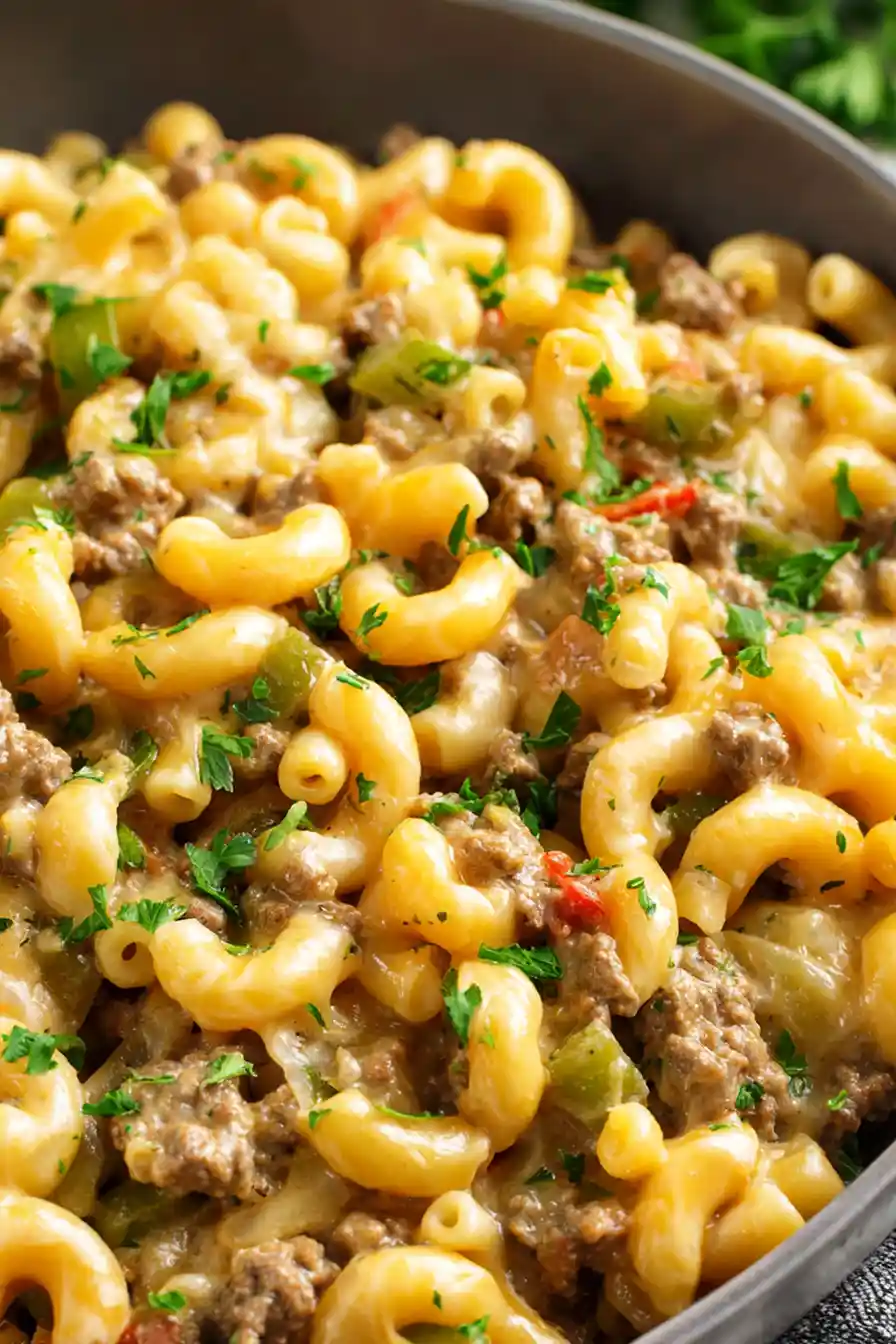
This creamy pasta dish combines the bold flavors of a classic cheesesteak sandwich into a single-pan meal. It is a hearty option for weeknight dinners that satisfies cravings for savory beef and melted cheese.
List of ingredients
- 12 oz (340 g) penne pasta (or rotini) – use tubular shapes to hold the sauce.
- 1 lb (450 g) ground beef (or thinly sliced steak) – lean ground beef or shaved ribeye works best.
- 2 tbsp olive oil – for sautéing meat and vegetables.
- 1 medium onion (diced) – yellow or white onions provide a savory base.
- 1 green bell pepper (diced) – adds the traditional cheesesteak bitterness.
- 1 red bell pepper (diced) – adds a hint of sweetness and color.
- 2 cloves garlic (minced) – adds aromatic depth to the sauce.
- 1 tsp salt – adjust based on the saltiness of your broth.
- ½ tsp black pepper – for a subtle spicy kick.
- 1 tsp Worcestershire sauce – enhances the umami profile of the beef.
- 2 cups beef broth – creates a rich, savory liquid base.
- 1 cup heavy cream – provides the creamy texture and binds the sauce.
- 2 cups shredded provolone cheese (or mozzarella) – for authentic flavor and melt.
- ½ cup shredded Parmesan cheese – adds a salty, sharp finish.
step-by-step instructions
- Cook the pasta: Bring a large pot of salted water to a boil. Cook the pasta according to the package directions until it reaches an al dente texture. Drain the pasta and set it aside.
- Cook the beef: Heat olive oil in a large skillet over medium-high heat. Add the ground beef or steak slices and cook until fully browned, using a spoon to break up the beef. Drain any excess fat from the pan to avoid a greasy sauce.
- Sauté vegetables: Add the diced onion and bell peppers to the skillet with the beef. Cook for 5 to 6 minutes until the vegetables have softened. Stir in the minced garlic and cook for an additional minute until fragrant.
- Season and simmer: Stir in the Worcestershire sauce, salt, and black pepper. Pour in the beef broth and heavy cream. Bring the mixture to a gentle simmer and let it cook for 3 to 4 minutes to thicken slightly.
- Add pasta and cheese: Stir the cooked pasta into the skillet. Reduce the heat to low, then add the shredded provolone and Parmesan cheese. Mix continuously until the cheese is completely melted and the pasta is evenly coated in the sauce.
- Serve: Garnish the dish with additional Parmesan cheese or fresh parsley. Serve the pasta immediately while hot.
Optimizing Meat Selection
Using Ground Beef for Speed
Ground beef is the most convenient option for this recipe. It cooks quickly and integrates easily with the sauce, making the dish more uniform in texture. Use 80/20 or 90/10 lean beef to balance flavor and fat content.
Choosing Shaved Ribeye for Authenticity
For a more authentic cheesesteak experience, use thinly sliced ribeye or shaved steak. Sear the meat quickly over high heat to brown it without overcooking. This ensures the steak remains tender and juicy rather than becoming chewy.
Lean Beef Alternatives
If you prefer a leaner meal, sirloin tips or lean flank steak can be used. Ensure the meat is sliced very thinly across the grain. This technique prevents the beef from becoming tough during the simmering process.
Vegetable Preparation Techniques
Achieving the Perfect Dice
Cut the onions and bell peppers into uniform small squares. This ensures that every bite of pasta contains a balanced mix of vegetables. Uniform sizing also allows the vegetables to cook evenly in the skillet.
Developing Flavor through Sautéing
Allow the onions to cook until they are translucent and slightly golden before adding the garlic. This caramelization process brings out the natural sugars in the onion. Garlic should be added last to prevent it from burning and becoming bitter.
Managing Pepper Varieties
While green peppers provide the classic cheesesteak taste, mixing them with red or yellow peppers adds sweetness. Red peppers are particularly useful for adding visual contrast to the creamy sauce. You can adjust the ratio based on your preference for sweetness.
Pasta Selection and Texture
Choosing the Right Pasta Shape
Tubular pastas like penne or rotini are ideal because they have holes and ridges. These features trap the thick cheese sauce and small pieces of beef inside the pasta. Smooth pastas like linguine are less effective for this specific sauce consistency.
The Importance of Al Dente
Cook the pasta slightly less than the package directions suggest. Because the pasta is added to a simmering sauce at the end, it will continue to cook. Ending the boiling process early prevents the pasta from becoming mushy.
Utilizing Pasta Water
If the final sauce appears too thick, stir in a small amount of reserved pasta water. The starch in the water helps emulsify the cheese and cream. This results in a smoother, glossier sauce that clings better to the noodles.
Cheese Selection and Melting
Provolone for Traditional Taste
Provolone is the standard choice for Philly cheesesteaks due to its mild, smoky flavor. It melts smoothly into the cream sauce, providing a rich base. If you cannot find provolone, mild white cheddar is a suitable alternative.
Mozzarella for Texture and Stretch
Mozzarella is an excellent substitute or addition if you prefer a stretchier, gooier texture. It has a milder flavor than provolone, so you may want to add a pinch more salt. Mixing both cheeses provides a balance of flavor and elasticity.
Adding Sharpness with Parmesan
Parmesan cheese adds a salty, nutty depth that cuts through the richness of the heavy cream. It is best to stir it in at the very end. This preserves its distinct flavor and adds a professional finish to the dish.
Avoiding Grainy Cheese Sauce
To prevent the cheese from separating or becoming grainy, keep the heat on low when stirring in the shredded cheese. High heat can cause the fats in the cheese to break. Stirring constantly ensures a smooth, homogenous emulsion.
Sauce Consistency and Enhancements
Controlling the Thickness
The combination of beef broth and heavy cream creates a naturally thick sauce. If you prefer a thinner consistency, increase the amount of beef broth by a quarter cup. Conversely, simmering the sauce for an extra few minutes before adding the pasta will thicken it.
Boosting the Umami Profile
Worcestershire sauce is key to recreating the steakhouse flavor. If you want a deeper savory taste, you can add a teaspoon of soy sauce or a pinch of mushroom powder. These additions enhance the beefy notes without altering the overall creaminess.
Lower Fat Cream Substitutes
You can replace heavy cream with half-and-half or whole milk for a lighter version. If using milk, you may need to stir in a teaspoon of cornstarch slurry to maintain the thickness. Greek yogurt can also be used, but it must be stirred in off the heat to prevent curdling.
Serving and Pairing Ideas
Adding Fresh Garnishes
Freshly chopped parsley adds a burst of color and a clean taste that balances the heavy sauce. Sliced green onions are another great option for a mild onion crunch. A sprinkle of red pepper flakes can add heat for those who prefer a spicy kick.
Complementary Side Dishes
Pair this rich pasta with a crisp green salad and a lemon vinaigrette. The acidity of the dressing cleanses the palate between bites of creamy pasta. Steamed broccoli or roasted asparagus also provide a healthy, fibrous contrast to the meal.
Family Style Plating
Serve the pasta in a large, pre-heated bowl to keep the cheese sauce fluid. This prevents the pasta from clumping as it sits on the table. Garnish the entire bowl with extra Parmesan for a visually appealing presentation.
Storage and Reheating
Refrigeration Guidelines
Store leftovers in an airtight container in the refrigerator for up to four days. The sauce will thicken significantly as it cools. Ensure the container is fully sealed to prevent the pasta from drying out.
Freezing Instructions
This dish can be frozen for up to two months. Freeze in individual portions to make reheating easier. Thaw the pasta in the refrigerator overnight before warming it up to maintain the best texture.
Best Reheating Methods
Reheat the pasta in a skillet over medium-low heat. Add a splash of milk or beef broth to loosen the sauce and restore its creaminess. Avoid using a microwave on high heat, as this can cause the cheese to separate and the pasta to overcook.
Common Troubleshooting
Fixing a Broken Sauce
If the sauce separates into oil and solids, whisk in a tablespoon of warm milk or water. Keep the heat low and stir vigorously. This helps the fats re-emulsify with the liquid components of the sauce.
Preventing Overcooked Meat
If using steak slices, avoid crowding the pan. Cooking too much meat at once lowers the pan temperature, causing the meat to boil in its own juices rather than sear. Brown the meat in batches for the best results.
Correcting Bland Flavors
If the dish tastes flat, add a small amount of lemon juice or a dash of apple cider vinegar. A small amount of acid brightens the heavy flavors of the cream and cheese. Always taste the sauce before adding the pasta to adjust the seasoning.
Frequently Asked Questions
Can I use chicken instead of beef?
Yes, you can substitute sliced chicken breast or thighs for the beef. This creates a Chicken Cheesesteak Pasta. Use chicken broth instead of beef broth to keep the flavor profile consistent with the meat.
How can I make this dish spicier?
Add diced jalapeños or canned chipotle peppers when sautéing the onions and bell peppers. You can also stir in a teaspoon of sriracha or cayenne pepper into the cream sauce for a more integrated heat.
Can I use a different type of pasta?
While penne and rotini are recommended, rigatoni or bowtie pasta also work well. Avoid using very thin pastas like angel hair or spaghetti, as they cannot support the weight of the beef and vegetables.
Can I make this in a slow cooker?
You can slow cook the beef and vegetables, but the pasta and cream should be added at the end. Cooking pasta in a slow cooker often results in a mushy texture. It is better to cook the pasta separately and stir it in during the last 30 minutes.
Print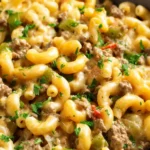
Philly Cheesesteak Pasta
- Total Time: 40 minutes
- Yield: 6 servings 1x
- Diet: General
Description
This Philly Cheesesteak Pasta is a cheesy, comforting mashup of two favorites! Tender pasta is tossed with savory ground beef or shaved steak, sautéed peppers, onions, and plenty of melted provolone or mozzarella. Creamy, hearty, and full of classic cheesesteak flavor, it’s the perfect easy weeknight dinner for the whole family!
Ingredients
- 12 oz (340 g) penne pasta (or rotini)
- 1 lb (450 g) ground beef (or thinly sliced steak)
- 2 tbsp olive oil
- 1 medium onion (diced)
- 1 green bell pepper (diced)
- 1 red bell pepper (diced)
- 2 cloves garlic (minced)
- 1 tsp salt
- ½ tsp black pepper
- 1 tsp Worcestershire sauce
- 2 cups beef broth
- 1 cup heavy cream
- 2 cups shredded provolone cheese (or mozzarella)
- ½ cup shredded Parmesan cheese
Instructions
- Cook the pasta: Bring a large pot of salted water to a boil. Cook pasta according to package directions until al dente. Drain and set aside.
- Cook the beef: In a large skillet, heat olive oil over medium-high heat. Add ground beef (or steak slices) and cook until browned, breaking it up with a spoon. Drain excess fat if needed.
- Sauté vegetables: Add onion and bell peppers to the skillet. Cook for 5–6 minutes, until softened. Stir in garlic and cook for another 1 minute.
- Season and simmer: Stir in Worcestershire sauce, salt, and pepper. Pour in beef broth and heavy cream. Bring to a gentle simmer for 3–4 minutes.
- Add pasta & cheese: Stir in cooked pasta. Reduce heat to low, then add provolone and Parmesan cheese. Mix until cheese is melted and pasta is coated in a creamy sauce.
- Serve: Garnish with extra Parmesan or fresh parsley if desired. Serve warm.
Notes
For a more authentic experience, use shaved ribeye steak. Store leftovers in an airtight container in the refrigerator for up to 4 days. When reheating, add a splash of milk or broth to maintain the sauce’s creaminess.
- Prep Time: 15 minutes
- Cook Time: 25 minutes
- Category: Dinner
- Method: Stovetop
- Cuisine: American
Nutrition
- Serving Size: 1 serving
- Calories: 750 kcal
- Sugar: 8 g
- Sodium: 1150 mg
- Fat: 42 g
- Saturated Fat: 24 g
- Unsaturated Fat: 18 g
- Trans Fat: 0 g
- Carbohydrates: 44 g
- Fiber: 4 g
- Protein: 38 g
- Cholesterol: 145 mg
Keywords: Philly Cheesesteak Pasta, creamy beef pasta, comfort food, family dinner, easy weeknight meals