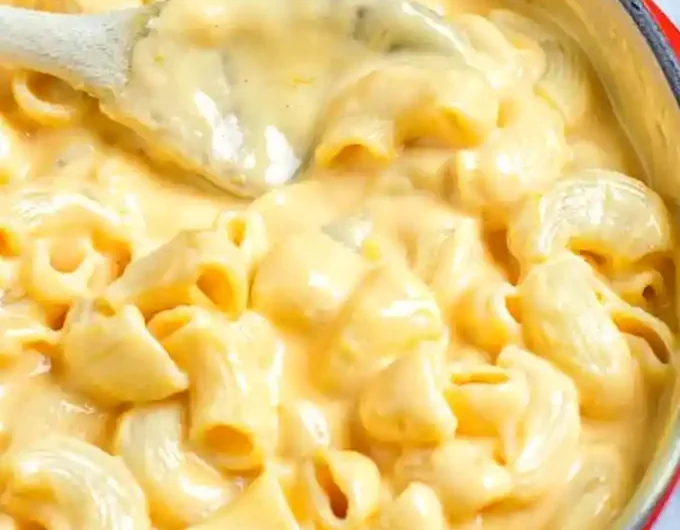
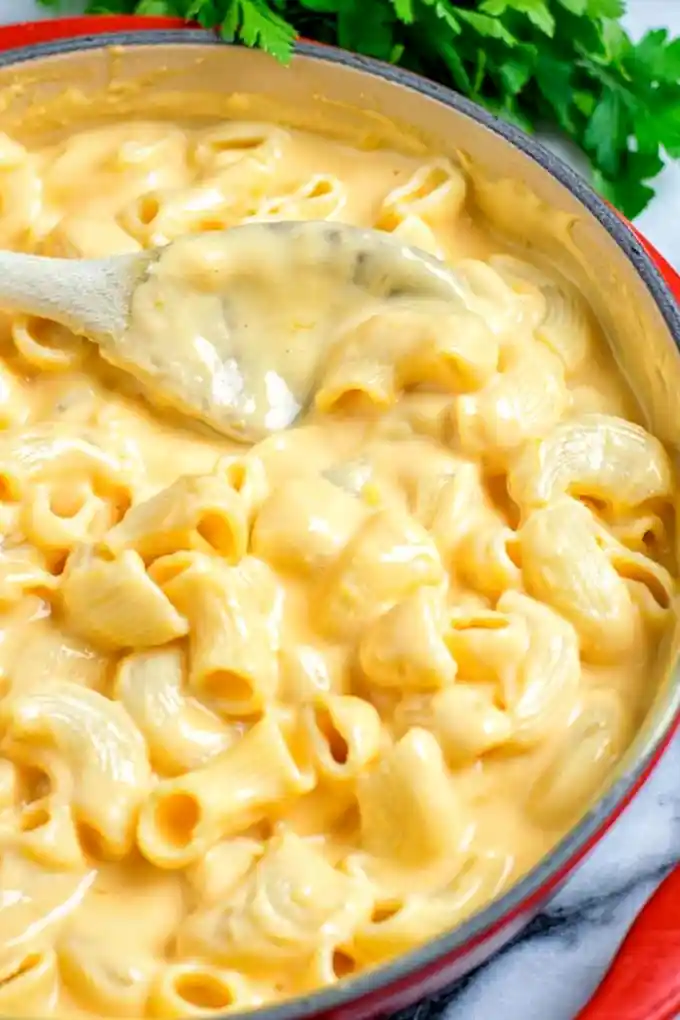
Enjoy a rich and comforting bowl of vegan mac and cheese that comes together in just 15 minutes. This recipe uses a blend of plant-based cheeses to achieve a smooth, velvety texture without the need for soaking nuts or using a blender.
List of ingredients
- 4 cups macaroni – use elbow macaroni or gluten-free alternatives.
- 2 tablespoons vegan butter – use a plant-based block butter for stability.
- 10 ounces vegan cheddar – finely cut block cheese for the best melt.
- 1 cup almond milk – ensure it is unsweetened and unflavored.
- 1 batch vegan parmesan cheese – adds a necessary salty, umami depth.
- 7 ounces vegan cream cheese – creates the smooth, creamy base.
- 2 teaspoons garlic powder – for a savory aromatic profile.
- 1 teaspoon onion powder – enhances the overall cheesiness.
- Salt and pepper – added to taste.
- 1/2 teaspoon smoked paprika – optional for a subtle smoky flavor.
step-by-step instructions
- Prepare the Pasta: Cook the macaroni in a large pot of well-salted boiling water according to the package directions until al dente. Drain the pasta and set it aside immediately; do not rinse the pasta, as the surface starch is essential for the sauce to cling to the noodles.
- Melt the Base: Place a large casserole pot on the lowest heat setting your stove provides and melt the vegan butter completely. Add the finely cut vegan cheddar and stir continuously for 3 to 4 minutes until the cheese is fully melted and smooth. If the mixture appears greasy, remove the pot from the heat and stir vigorously.
- Build the Sauce: Stir in the vegan cream cheese until it is completely incorporated into the melted cheddar. Gradually pour in the almond milk and stir in the vegan parmesan, mixing until the sauce is uniform and free of lumps. Stir in the garlic powder, onion powder, and optional smoked paprika, then season with salt and pepper.
- Combine and Finish: Add the drained macaroni to the cheese sauce and stir well to ensure every piece of pasta is coated. Keep the heat on low and cook for 5 minutes, stirring occasionally, until the pasta is heated through and the sauce has thickened slightly. Serve immediately.
Optimizing the Melting Process
Maintaining Low Temperature
Vegan cheeses are more sensitive to heat than dairy cheeses and can seize or separate if cooked too quickly. Always use the lowest heat setting on your stovetop to ensure the fats and proteins melt evenly. If the sauce begins to look grainy, immediately remove it from the heat and whisk it manually to restore the emulsion.
Selecting Block Over Shredded Cheese
Block vegan cheddar is preferred over pre-shredded varieties because shredded versions often contain potato starch or cellulose to prevent clumping. These anti-caking agents can interfere with the melting process and leave the sauce with a gritty texture. If you must use shredded cheese, reduce the heat even further and add a small amount of extra cream cheese to help with the smoothness.
Choosing the Right Plant Milk
Unsweetened almond milk is recommended for its neutral flavor, but soy or oat milk are also excellent substitutes. Avoid using coconut milk, as its strong coconut flavor can overpower the savory notes of the vegan cheeses. Ensure the milk is at room temperature or slightly warmed to prevent the melted cheese from cooling down and thickening too quickly during the mixing phase.
Creative Recipe Variations
Converting to a Baked Casserole
For a baked version, transfer the finished mac and cheese into a greased baking dish. Top the pasta with an additional half-cup of grated vegan cheddar and a handful of breadcrumbs tossed in melted vegan butter. Bake at 380°F (195°C) for approximately 15 minutes until the topping is golden brown and bubbling.
Adding Heat and Spice
To create a spicy version, stir in half a teaspoon of cayenne pepper or a tablespoon of sriracha during the sauce-building phase. For a more textured heat, fold in two tablespoons of drained sliced jalapeños along with the cooked pasta. The acidity and spice of the peppers help cut through the richness of the vegan cream cheese.
Incorporating Fresh Vegetables
Transform this dish into a complete meal by adding steamed broccoli florets, frozen peas, or sautéed mushrooms. Stir the vegetables in during the final 5 minutes of heating to ensure they are warmed through without becoming overcooked. Roasted cauliflower also pairs exceptionally well with the smoked paprika in the sauce.
Adding Plant-Based Proteins
Increase the protein content by stirring in cooked lentils, canned chickpeas, or pieces of vegan chicken. Adding these proteins during the final mixing step ensures they are well-coated in the sauce. For extra texture, top the finished dish with vegan bacon bits or toasted sunflower seeds.
Using a One-Pot Method
To minimize cleanup, you can cook the macaroni directly in the sauce. Combine dry pasta with two cups of vegetable broth and a cup of plant milk in a pot. Simmer on medium-low heat, stirring frequently to prevent the pasta from sticking to the bottom, for about 12 minutes. Stir in the cheeses and seasonings once the pasta is tender and the liquid has reduced.
Serving Suggestions and Pairings
Balancing Richness with Acidic Sides
Because the cheese sauce is very rich, serving it with a bright, acidic side dish creates a balanced meal. A simple green salad with a lemon-olive oil vinaigrette or a side of pickled cucumbers provides a refreshing contrast. The acidity cleanses the palate between bites of the creamy pasta.
Complementary Warm Sides
Pair your mac and cheese with garlic bread made from a vegan baguette and plant-based butter. Roasted Brussels sprouts or a side of sautéed kale also work well, adding an earthy element to the meal. For a more indulgent experience, serve it alongside a small bowl of vegan chili.
Recommended Table Condiments
Provide a variety of condiments at the table to allow guests to customize their flavor profiles. Hot sauce, red pepper flakes, and freshly cracked black pepper are excellent additions. A drizzle of truffle oil can elevate the dish for a more gourmet presentation.
Storage and Reheating Guidelines
Refrigeration and Shelf Life
Store any leftovers in an airtight container in the refrigerator for up to five days. Note that the pasta will continue to absorb the sauce as it sits, causing the mixture to thicken and become denser. This is a natural process and does not mean the dish has spoiled.
Stovetop Reheating Methods
The best way to reheat vegan mac and cheese is on the stovetop over low heat. Add a splash of almond milk or vegetable broth to the pan to loosen the sauce and restore its creaminess. Stir frequently to ensure the cheese remelts evenly without separating.
Microwave Reheating Precautions
Avoid reheating on high power in the microwave, as this can cause the vegan cheese to split and become oily. Instead, use the lowest power setting and heat in 30-second intervals. Stir the pasta thoroughly between each interval and add a teaspoon of plant milk to maintain the texture.
Freezing and Thawing Instructions
This dish can be frozen for up to two months in a freezer-safe container. Allow the mac and cheese to cool completely before freezing to prevent large ice crystals from forming. Thaw the container in the refrigerator overnight before reheating on the stove with extra plant milk.
Frequently Asked Questions
Why is my vegan mac and cheese grainy?
Graininess is almost always caused by applying too much heat too quickly, which causes the vegan cheese to seize. To fix this, remove the pot from the heat and stir vigorously, or add a tablespoon of plant milk and whisk until the sauce smooths out.
Can I use nutritional yeast instead of vegan parmesan?
Yes, you can substitute the vegan parmesan with two tablespoons of nutritional yeast. While the flavor will be slightly nuttier and less sharp than parmesan, it still provides the savory depth required for the sauce.
Is this recipe suitable for a gluten-free diet?
The cheese sauce is naturally gluten-free. To make the entire dish gluten-free, simply substitute the standard macaroni with your favorite gluten-free pasta, such as brown rice or chickpea pasta.
How do I prevent the sauce from becoming too thick?
If the sauce thickens too much during the final heating stage or upon reheating, simply stir in small amounts of unsweetened plant milk. Add the milk one tablespoon at a time until you reach your desired consistency.
Which vegan cheese brands melt the best?
Brands like Violife and Daiya are generally the most reliable for melting. Violife block cheddar is particularly noted for its smooth texture, while Daiya offers a bolder cheese flavor that some prefer for this specific dish.
Print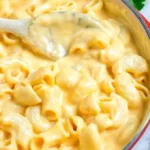
Quick and Creamy Vegan Mac and Cheese
- Total Time: 15 minutes
- Yield: 4 servings 1x
- Diet: Vegan
Description
Easy creamy vegan mac and cheese made with vegan cheddar, cream cheese, and parmesan — no soaking, no complicated sauce. Ready in 15 minutes on the stovetop. Rich, smooth, and completely dairy-free.
Ingredients
- 4 cups macaroni
- 2 tablespoons vegan butter
- 10 ounces vegan cheddar, finely cut
- 1 cup almond milk
- 1 batch Vegan Parmesan Cheese
- 7 ounce vegan cream cheese
- 2 teaspoons garlic powder
- 1 teaspoon onion powder
- salt, pepper to taste
- 1/2 teaspoon smoked paprika
Instructions
- Cook: Cook the pasta in a large pot of well-salted boiling water according to package directions until al dente. Drain and set aside. Do not rinse.
- Melt: In a large casserole on the lowest heat your stove allows, melt the vegan butter completely. Add the vegan cheddar and stir continuously until fully melted and smooth — this takes 3 to 4 minutes on low heat. Do not rush this step or increase the heat. If the cheese starts to look greasy rather than smooth, remove from heat and stir vigorously.
- Combine: Add the vegan cream cheese and stir until fully incorporated into the cheddar. Then add the plant milk and vegan parmesan. Stir everything together until the sauce is smooth and uniform with no lumps. Add garlic powder, onion powder, and optional smoked paprika. Season with salt and pepper to taste.
- Finish: Add the drained pasta to the sauce and stir well to coat every piece. Heat on low for 5 minutes, stirring occasionally, until the pasta is warmed through and the sauce has thickened slightly. Serve immediately in bowls or on plates.
Notes
Low heat is essential; vegan cheese melts differently than dairy and can seize if the heat is too high. Block vegan cheddar provides a smoother melt than pre-shredded versions. For a baked version, transfer to a baking dish, top with extra grated cheddar and buttered breadcrumbs, and bake at 380°F / 195°C for 15 minutes.
- Prep Time: 5 minutes
- Cook Time: 10 minutes
- Category: Main Course
- Method: Stovetop
- Cuisine: Vegan
Nutrition
- Serving Size: 1.5 cups
- Calories: 564 kcal
- Sugar: 13 g
- Sodium: 312 mg
- Fat: 25 g
- Saturated Fat: 11.4 g
- Unsaturated Fat: 12.6 g
- Trans Fat: 0 g
- Carbohydrates: 71 g
- Fiber: 3.6 g
- Protein: 15 g
- Cholesterol: 0 mg
Keywords: vegan mac and cheese, dairy-free, plant-based, quick dinner, vegan cheese sauce