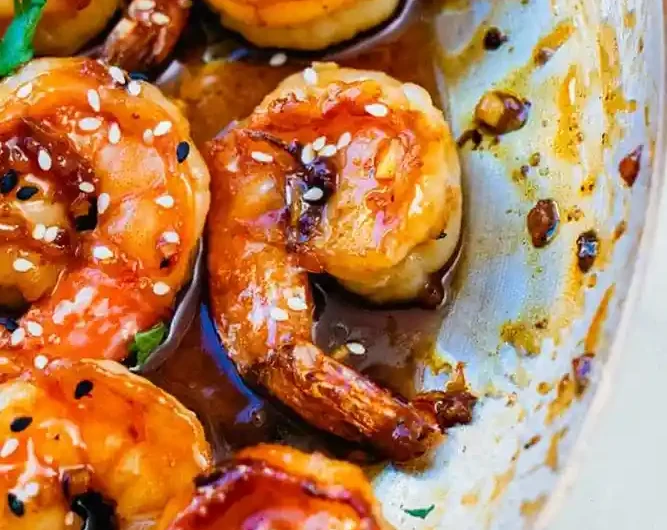
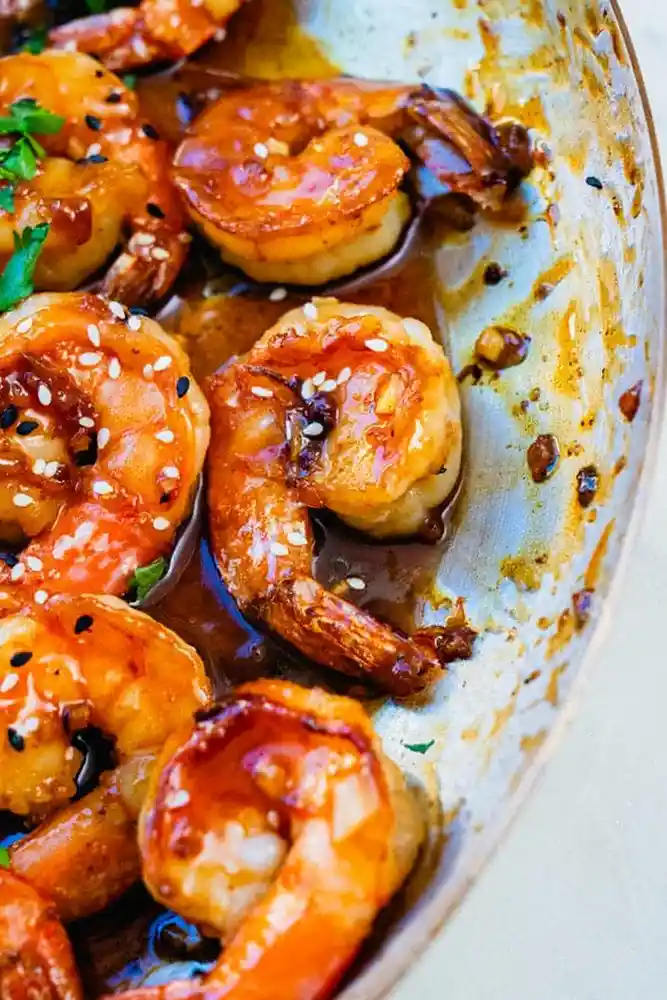
This high-protein seafood dish features a glossy, sweet and savory glaze that comes together in just 10 minutes. It is a practical solution for busy weeknights when you need a nutritious meal with minimal cleanup.
List of ingredients
- 1 1/2 pounds medium or large shrimp, deveined – leave tails on for presentation or peel them for easier eating.
- 3 garlic cloves – minced finely to distribute flavor evenly.
- 1/2 teaspoon onion powder – adds a subtle depth of savory flavor.
- Heaping 1/4 teaspoon kosher salt – enhances all other seasonings.
- 1/4 cup honey – provides the primary sweetness and helps the glaze thicken.
- 3 tablespoons soy sauce – use tamari or coconut aminos for a gluten-free option.
- 1 1/2 tablespoons rice vinegar – adds a necessary acidic balance to the honey.
- 2 teaspoon cornstarch – ensures the sauce coats the shrimp thickly.
- 3 tablespoons sesame oil – provides a toasted, nutty aroma and high-heat cooking stability.
step-by-step instructions
- Prepare the shrimp: Thaw the shrimp completely if they were frozen. Mince the garlic cloves and pat the shrimp very dry using paper towels to ensure they sear rather than steam.
- Season the seafood: In a bowl, stir the dried shrimp together with the minced garlic, onion powder, and kosher salt until every piece is evenly coated.
- Whisk the glaze: Combine the honey, soy sauce, rice vinegar, and cornstarch in a small bowl. Stir until the mixture is mostly smooth, though a few tiny lumps of cornstarch are acceptable.
- Sear the shrimp: Heat the sesame oil in a large skillet over medium-high heat. Add the shrimp and cook for 1 to 2 minutes per side until they are opaque and pink, using tongs to turn them.
- Thicken the sauce: Turn off the heat and remove the cooked shrimp from the pan. Immediately pour the glaze into the hot skillet and stir constantly, scraping up the browned bits from the bottom until the sauce thickens.
- Combine and serve: Once the sauce is glossy and thick, stir the shrimp back into the pan to coat them fully and serve immediately.
Expert Guide to Selecting Shrimp
Choosing the Right Shrimp Size
Medium shrimp, typically labeled as 41 to 50 count per pound, are excellent for this recipe because they provide more individual bites and cook very quickly. Large shrimp, usually 31 to 40 count, offer a more substantial feel but may require an extra 30 to 60 seconds of searing per side to cook through.
Fresh versus Flash-Frozen Shrimp
Most shrimp available in grocery stores are flash-frozen immediately after being caught to preserve quality. Because of this, frozen shrimp are often just as fresh as those labeled as fresh in the display case. Always ensure you thaw them completely in the refrigerator or under cold running water before cooking.
Identifying High-Quality Seafood
Look for shrimp that are translucent and smell like the ocean rather than fishy. Wild-caught options are often preferred for sustainability and flavor profiles. If buying farmed, check for certifications that ensure responsible aquaculture practices.
Advanced Searing Techniques
The Importance of Patting Shrimp Dry
Excess moisture on the surface of the shrimp creates steam when they hit the hot oil, which prevents the proteins from browning. By patting the shrimp thoroughly dry with paper towels, you enable the Maillard reaction, resulting in a golden-brown crust and better flavor.
Avoiding Pan Overcrowding
If you are doubling the recipe, always cook the shrimp in two separate batches. Overcrowding the skillet drops the oil temperature and traps moisture, causing the shrimp to boil in their own juices instead of searing. This leads to a rubbery texture and a lack of caramelization.
Controlling Heat for the Glaze
Removing the shrimp from the pan before adding the glaze prevents the seafood from overcooking while the sauce thickens. Turning off the heat or reducing it significantly ensures the honey-based sauce does not burn or evaporate too quickly, maintaining a smooth, glossy consistency.
Ingredient Substitutions and Alternatives
Using Maple Syrup instead of Honey
Pure maple syrup is a direct substitute for honey and provides a similar level of sweetness. The flavor profile will shift slightly toward a woody, autumnal taste, but the consistency of the glaze remains the same.
Gluten-Free Soy Sauce Options
To make this recipe gluten-free, replace standard soy sauce with tamari or coconut aminos. Tamari provides a flavor almost identical to soy sauce, while coconut aminos offer a slightly sweeter, lower-sodium alternative.
Alternative Acidic Components
If rice vinegar is unavailable, apple cider vinegar is the best substitute due to its mild acidity. While white distilled vinegar can be used, it is much sharper and may require a tiny bit more honey to balance the tartness.
Substituting Sesame Oil
For those who dislike the strong taste of sesame oil, avocado oil or grapeseed oil can be used for searing. To regain the nutty flavor, add a teaspoon of toasted sesame seeds to the finished dish as a garnish.
Serving and Pairing Suggestions
Ideal Grain Pairings
White jasmine or basmati rice is the classic choice, as the neutral flavor absorbs the honey garlic glaze. For a healthier alternative, brown rice or quinoa adds a nutty texture and more fiber to the meal.
Nutritious Vegetable Sides
Pan-fried broccoli is a perfect accompaniment because the florets catch the sauce. Other excellent options include sautéed snap peas, steamed bok choy, or a cauliflower stir-fry for a low-carb meal.
Adding Fresh Garnishes
To cut through the sweetness of the honey, garnish the final dish with sliced green onions or toasted sesame seeds. A squeeze of fresh lime juice over the shrimp just before serving adds a bright, citrusy note that enhances the savory elements.
Storage and Reheating Guidelines
Refrigeration and Shelf Life
Store leftover shrimp in an airtight container in the refrigerator for up to two days. Seafood is delicate, so avoid keeping it longer than 48 hours to ensure food safety and maintain the best possible texture.
The Best Way to Reheat Shrimp
Avoid using a microwave, as it often overcooks the shrimp and makes them rubbery. Instead, place the shrimp and sauce in a skillet over low heat with a splash of water or broth. This gently warms the seafood and loosens the glaze without toughening the protein.
Make-Ahead Preparation
The glaze ingredients can be whisked together and stored in a jar in the refrigerator for up to three days. Since the shrimp cook in minutes, this is the most effective way to prep the meal in advance.
Troubleshooting Common Issues
Why the Glaze Didn’t Thicken
Cornstarch requires heat to activate its thickening properties. If the sauce remains watery, the pan may not have had enough residual heat; simply turn the burner back on to low for 30 to 60 seconds while stirring constantly.
Preventing Rubbery Shrimp
Rubbery shrimp are a result of overcooking. As soon as the shrimp turn opaque and form a ‘C’ shape, they are done. If they curl tightly into an ‘O’ shape, they have likely been cooked too long.
Dealing with Burnt Garlic
If the minced garlic browns too quickly during the searing process, it can become bitter. To prevent this, ensure the garlic is well-distributed among the shrimp rather than clumped together in the center of the pan.
Frequently Asked Questions
Can I use frozen shrimp directly from the freezer?
No, frozen shrimp must be thawed first. Cooking frozen shrimp directly will release too much water into the pan, preventing the shrimp from searing and diluting the honey garlic glaze.
Is this recipe suitable for a ketogenic diet?
As written, the honey and cornstarch make this high in carbohydrates. To make it keto-friendly, replace the honey with a sugar-free maple syrup alternative and omit the cornstarch or use a small amount of xanthan gum.
What size skillet is best for this recipe?
A large 12-inch skillet is ideal. This provides enough surface area to ensure the shrimp are not overcrowded, allowing them to sear properly and cook evenly.
Can I add other proteins to this glaze?
Yes, this glaze works exceptionally well with salmon cubes or chicken breast pieces. Note that chicken will require significantly more cooking time than shrimp to reach a safe internal temperature.
How do I remove the veins from shrimp?
Use a small paring knife to make a shallow slit along the back of the shrimp. Gently press the vein out with your finger or the tip of the knife under cool running water.
Print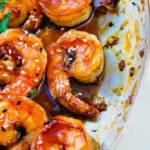
Quick Honey Garlic Shrimp
- Total Time: 10 minutes
- Yield: 4 servings 1x
- Diet: Gluten Free
Description
This honey garlic shrimp has a sweet and savory glaze that coats juicy shrimp perfectly: made in just 10 minutes! Serve with rice for an easy weeknight dinner the whole family will love.
Ingredients
- 1 1/2 pounds medium or large shrimp, deveined (tail on or peeled)
- 3 garlic cloves
- 1/2 teaspoon onion powder
- Heaping 1/4 teaspoon kosher salt
- 1/4 cup honey
- 3 tablespoons soy sauce (or tamari or coconut aminos)
- 1 1/2 tablespoons rice vinegar
- 2 teaspoon cornstarch
- 3 tablespoons sesame oil
Instructions
- Step: Thaw the shrimp, if using frozen.
- Step: Mince the garlic. Pat the shrimp dry. Stir it together with the minced garlic, onion powder and kosher salt.
- Step: Mix the honey, soy sauce, rice vinegar, and cornstarch in a small bowl, mixing until mostly smooth (a few small lumps are ok).
- Step: In a large skillet, heat the sesame oil on medium high heat. Cook the shrimp for 1 to 2 minutes per side until opaque and cooked through, turning them with tongs.
- Step: Turn off the heat and remove the shrimp. Add the glaze to the pan and stir until thickened, scraping up the browned bits from the bottom of the pan. Once thickened, stir the shrimp back into the sauce and serve.
Notes
Best eaten fresh. Leftovers can be stored in an airtight container in the fridge for up to 2 days. Reheat on the stovetop with a splash of water over low heat. Sauce ingredients can be mixed up to 3 days in advance.
- Prep Time: 6 minutes
- Cook Time: 4 minutes
- Category: Main Dish
- Method: Stovetop
- Cuisine: Seafood
Nutrition
- Serving Size: 1 serving
- Calories: 440 kcal
- Sugar: 13 g
- Sodium: 750 mg
- Fat: 11 g
- Saturated Fat: 1.5 g
- Unsaturated Fat: 9.5 g
- Trans Fat: 0 g
- Carbohydrates: 17 g
- Fiber: 1 g
- Protein: 38 g
- Cholesterol: 160 mg
Keywords: honey garlic shrimp, 10 minute dinner, seafood, easy weeknight meal