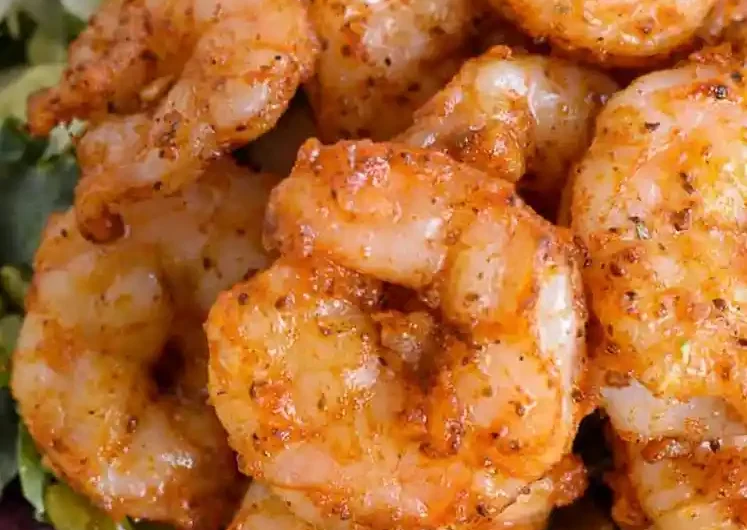
Prepare a high-protein, low-carb meal in under ten minutes using your air fryer. This method ensures a tender interior and perfectly seasoned exterior without the need for deep frying.
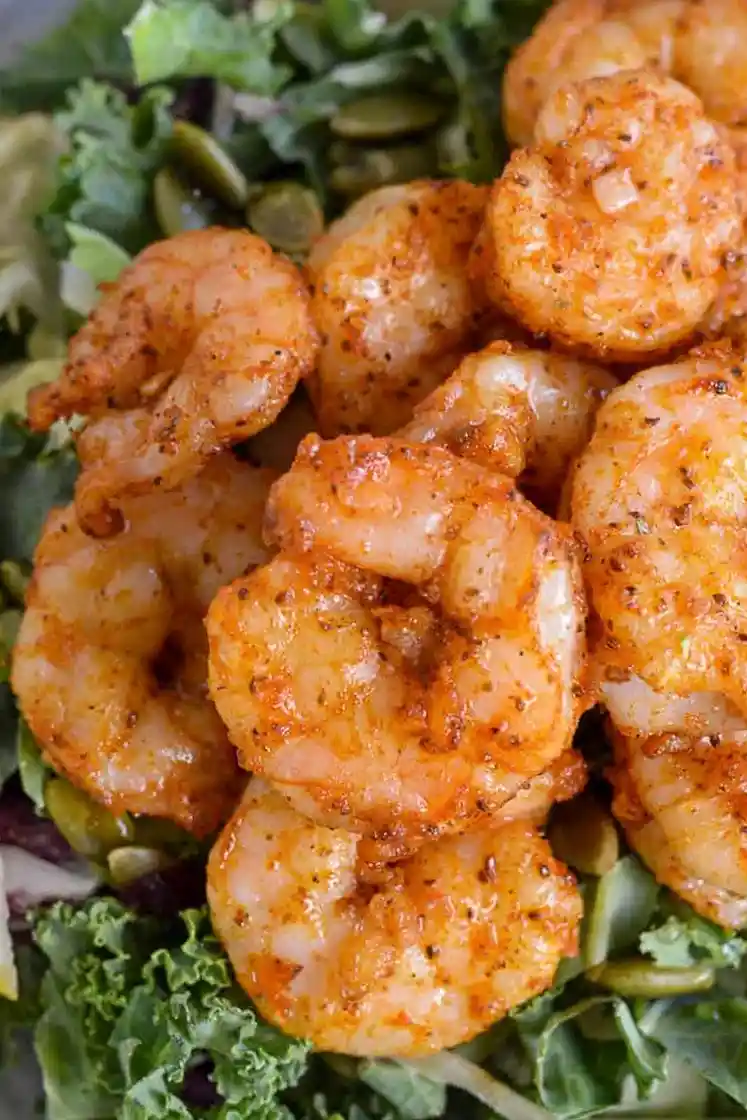
List of ingredients
- 1 pound shrimp – peeled and deveined for ease of eating.
- 1 tablespoon olive oil – avocado oil is also a great choice due to its high smoke point.
- 2-3 teaspoons Old Bay seasoning – or use any all-purpose seafood blend you prefer.
- 1 teaspoon minced garlic – fresh garlic provides the best aromatic flavor.
step-by-step instructions
- Preheat and Prep: Set your air fryer to 400 degrees Fahrenheit. While it heats, pat the shrimp completely dry using paper towels.
- Season the Shrimp: Place shrimp, oil, seasoning, and minced garlic into a mixing bowl or a plastic bag. Shake or stir until every piece of shrimp is evenly coated.
- Arrange in Basket: Place the shrimp in the air fryer basket or on the racks in a single layer. They may touch, but they should not be stacked. Spray the basket with oil first if you are concerned about sticking, and cook in batches if necessary.
- Cook and Flip: Air fry for 3-4 minutes, then flip the shrimp over. Cook for an additional 2-4 minutes until the shrimp are opaque and fully cooked through.
Essential Seafood Preparation
Patting Shrimp Dry for Better Searing
Removing excess moisture from the surface of the shrimp is critical. If the shrimp are wet, they will steam rather than sear, preventing a golden exterior. Use clean paper towels to press firmly on all sides of the seafood.
Selecting the Correct Shrimp Size
The cooking time can vary slightly depending on whether you use medium, large, or jumbo shrimp. Medium shrimp cook the fastest, while jumbo shrimp may need the full 4 minutes on each side. Always monitor the color to ensure they do not overcook.
Thawing Frozen Shrimp Safely
If using frozen shrimp, thaw them completely in the refrigerator overnight or under cold running water. Never thaw shrimp at room temperature to avoid bacterial growth. Once thawed, ensure they are patted dry before seasoning.
Deveining and Peeling Tips
Buying pre-peeled and deveined shrimp saves significant time during meal prep. If cleaning them yourself, use a small knife to remove the digestive tract along the back. This improves the texture and taste of the final dish.
Advanced Seasoning and Flavoring
Using Old Bay for Classic Taste
Old Bay seasoning is a staple for seafood due to its blend of celery salt, paprika, and pepper. It provides a savory, slightly spicy profile that complements the sweetness of the shrimp. Adjust the quantity based on your sensitivity to salt.
Substituting Fresh Garlic with Powder
While minced fresh garlic offers a pungent bite, garlic powder is a convenient alternative. Use 1/4 teaspoon of garlic powder to replace 1 teaspoon of minced garlic. Powdered garlic often distributes more evenly across the shrimp surface.
Controlling Sodium Levels
If you are monitoring your salt intake, look for low-sodium versions of seafood blends. You can also create a custom mix using smoked paprika, onion powder, and a pinch of salt. This allows you to maintain flavor without excessive sodium.
Adding Heat with Chili Flakes
For those who prefer a spicier kick, add a pinch of crushed red pepper flakes to the oil mixture. This adds a sharp heat that balances well with the garlic. Mix it in thoroughly to ensure no single piece is overly spicy.
Air Fryer Cooking Techniques
The Importance of Preheating
Preheating the air fryer to 400 degrees ensures that the shrimp begin searing the moment they hit the basket. Without preheating, the cooking time increases, which can lead to rubbery shrimp. Wait for the unit to signal it is ready before adding the food.
Preventing Basket Sticking
Shrimp can sometimes cling to the air fryer grate, especially if the oil coating is thin. Lightly spraying the basket with a neutral oil prevents this issue. This makes flipping the shrimp easier and keeps the seasoning intact.
Maintaining Optimal Airflow
The air fryer relies on rapid air circulation to cook food evenly. Avoid stacking the shrimp in multiple layers, as this blocks the airflow and results in unevenly cooked pieces. A single layer is the only way to achieve a consistent sear.
Managing Multiple Batches
If you are cooking more than one pound of shrimp, work in batches. Overfilling the basket causes the shrimp to release more moisture, leading to a steamed texture. Allow the basket to reheat for a minute between batches if needed.
Identifying the Perfect Doneness
Visual Cues for Readiness
Shrimp change color rapidly as they cook, moving from translucent gray to an opaque white and pink. Once they lose their transparency and form a tight ‘C’ shape, they are generally done. Avoid letting them curl into a tight ‘O’ shape, as this indicates overcooking.
The Texture Test
Perfectly cooked shrimp should be firm to the touch but still springy. If they feel mushy, they need another minute of cooking. If they feel hard or rubbery, they have been left in the air fryer too long.
Using an Instant-Read Thermometer
For absolute precision, use a digital thermometer to check the internal temperature. Shrimp are safely cooked and best enjoyed when they reach an internal temperature of 120-140 degrees Fahrenheit. This prevents the drying out associated with higher temperatures.
The Risk of Overcooking
Because shrimp are small, the window between perfectly cooked and overdone is very narrow. Even an extra 60 seconds can turn a tender shrimp into a rubbery one. Start checking for doneness at the earliest recommended time.
Keto-Friendly Serving Suggestions
Fresh Green Salad Base
Place the warm shrimp over a bed of mixed greens, spinach, or arugula. Add cucumber, cherry tomatoes, and a drizzle of olive oil and lemon juice for a light meal. The warmth of the shrimp slightly wilts the greens for a professional touch.
Low-Carb Lettuce Wrap Tacos
Use large Romaine or butter lettuce leaves as taco shells for the shrimp. Top with diced avocado, fresh cilantro, and a dollop of sour cream or Greek yogurt. This provides a crunch without the carbs of a traditional tortilla.
Cauliflower Rice Pairing
Sauté riced cauliflower with a bit of butter and garlic to serve as a base. The mild flavor of the cauliflower complements the bold Old Bay seasoning. This creates a hearty, filling meal that remains strictly keto.
Zucchini Noodle Bowls
Toss the cooked shrimp with spiralized zucchini and a splash of lemon butter. Lightly sauté the zoodles for 2 minutes before adding the shrimp. This mimics a pasta dish while keeping the net carb count extremely low.
Storage and Preservation
Refrigeration Best Practices
Store leftover shrimp in a glass or plastic airtight container. This prevents the shrimp from absorbing other odors in the fridge and keeps them moist. They will remain fresh and safe to eat for up to 4 days.
Safe Freezing Methods
Only freeze shrimp that were originally fresh and never previously frozen. If you freeze previously frozen shrimp, the texture will degrade significantly. Place them in a vacuum-sealed bag or freezer-safe container for up to six months.
Preventing Freezer Burn
To avoid ice crystals and freezer burn, remove as much air as possible from the storage bag. You can use a straw to suck out remaining air before sealing. This protects the delicate proteins in the shrimp from oxidizing.
Identifying Spoiled Seafood
Always check your stored shrimp for a strong ammonia-like smell or a slimy texture. If the shrimp have become excessively mushy or have an off-putting scent, discard them immediately. When in doubt, throw it out to ensure food safety.
Reheating for Maximum Quality
Using the Air Fryer for Reheating
The air fryer is the best tool for reheating shrimp as it restores the exterior crispness. Set the temperature to 350 degrees and heat for 2-3 minutes. This avoids the rubbery texture caused by overcooking during the second heat cycle.
The Oven Warming Method
If an air fryer is unavailable, use a conventional oven at 300 degrees. Place the shrimp on a baking sheet and warm them for 5-7 minutes. This gentle heat prevents the shrimp from shrinking and toughening.
Avoiding the Microwave
Microwaves heat water molecules rapidly, which often leads to uneven cooking and a rubbery texture in seafood. If you must use a microwave, use the lowest power setting and heat in 30-second intervals. Always cover them to retain moisture.
Troubleshooting Common Issues
Dealing with Dry Shrimp
If your shrimp come out too dry, you may have cooked them too long or used shrimp that were too small. Try reducing the cooking time by one minute next time. Ensure you are using a generous tablespoon of oil to create a protective barrier.
Fixing Seasoning That Won’t Stick
Seasoning fails to stick if the shrimp are too wet or if not enough oil was used. Always pat the shrimp dry first and ensure they are thoroughly tossed in oil before adding spices. The oil acts as the glue for the seasonings.
Solving Uneven Cooking
Uneven cooking usually happens when the basket is overcrowded. Ensure there is space for the hot air to circulate around each individual piece. If you have a small air fryer, split the pound of shrimp into two separate batches.
Managing Excess Water in the Basket
If you notice a pool of water in the bottom of your air fryer, your shrimp were likely not dried enough. This moisture turns into steam, which prevents browning. Use more paper towels during the prep phase to ensure a dry surface.
Frequently Asked Questions
Can I use frozen shrimp for this recipe?
Yes, you can use frozen shrimp, but they must be fully thawed and patted dry. Cooking frozen shrimp directly from the freezer will release too much water, leading to steaming rather than searing.
What is the best oil for air frying shrimp?
Avocado oil is highly recommended because it has one of the highest smoke points of any cooking oil. This means it won’t burn or smoke at 400 degrees. Olive oil is a good second choice, though it has a lower smoke point.
How do I know when the shrimp are fully cooked?
The shrimp are done when they turn from translucent to opaque white with a pinkish-orange exterior. They should form a ‘C’ shape; if they curl tighter into an ‘O’ shape, they are overcooked.
Can I swap Old Bay for other seasonings?
Absolutely. You can use Cajun seasoning, lemon pepper, or a simple mix of paprika, salt, and garlic powder. Just ensure the substitute is also keto-friendly and does not contain added sugars.
How many servings does this recipe make?
This recipe yields 4 servings, with each serving consisting of approximately a quarter pound of shrimp. It is designed for easy meal prep and portion control.
Print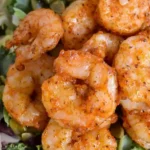
Quick Keto Air Fryer Shrimp
- Total Time: 9 minutes
- Yield: 4 servings 1x
- Diet: Keto, Low Carb
Description
This Air Fryer Shrimp is ready in 10 minutes and great for keto meal prep! Under 1 net carb per serving, it’s the perfect addition to salads, wraps, tacos, noodles, and more!
Ingredients
- 1 pound shrimp
- 1 tablespoon olive oil
- 2–3 teaspoons Old Bay seasoning or all purpose blend
- 1 teaspoon minced garlic
Instructions
- Step 1: Preheat the air fryer to 400 degrees while you pat shrimp dry with paper towels.
- Step 2: In a bowl or plastic bag, add your shrimp, oil, seasoning, and garlic. Mix well until all pieces of shrimp are well coated.
- Step 3: Place the shrimp into the basket or on the racks of the air fryer in a single layer.
- Step 4: Cook 3-4 minutes, flip the shrimp, then cook an additional 2-4 minutes until shrimp is opaque and cooked through.
Notes
Store in an airtight container in the fridge for up to 4 days. To reheat, pop them back into the air fryer for a few minutes.
- Prep Time: 3 minutes
- Cook Time: 6 minutes
- Category: Air Fryer Recipes
- Method: Air Frying
- Cuisine: Keto
Nutrition
- Serving Size: 1/4 pound shrimp
- Calories: 127 kcal
- Sugar: 0 g
- Sodium: 136.7 mg
- Fat: 4.1 g
- Saturated Fat: 0.7 g
- Unsaturated Fat: 3.4 g
- Trans Fat: 0 g
- Carbohydrates: 0.2 g
- Fiber: 0 g
- Protein: 22.8 g
- Cholesterol: 182.5 mg
Keywords: air fryer shrimp, keto, low carb, shrimp recipes