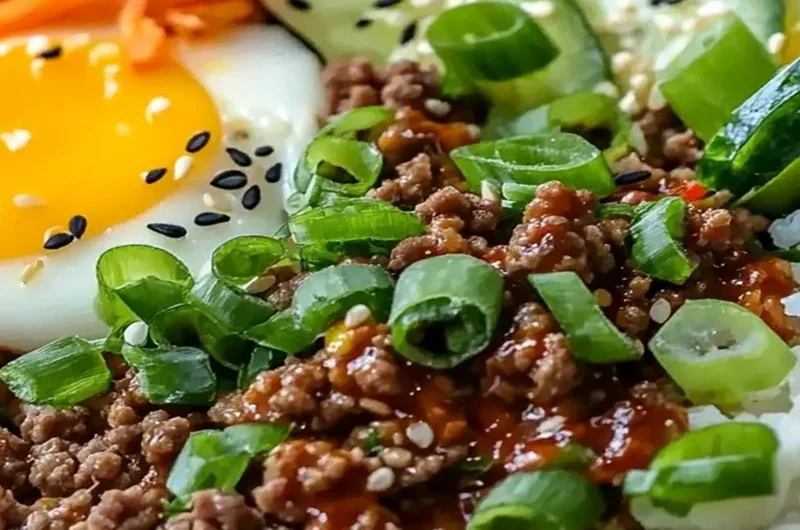
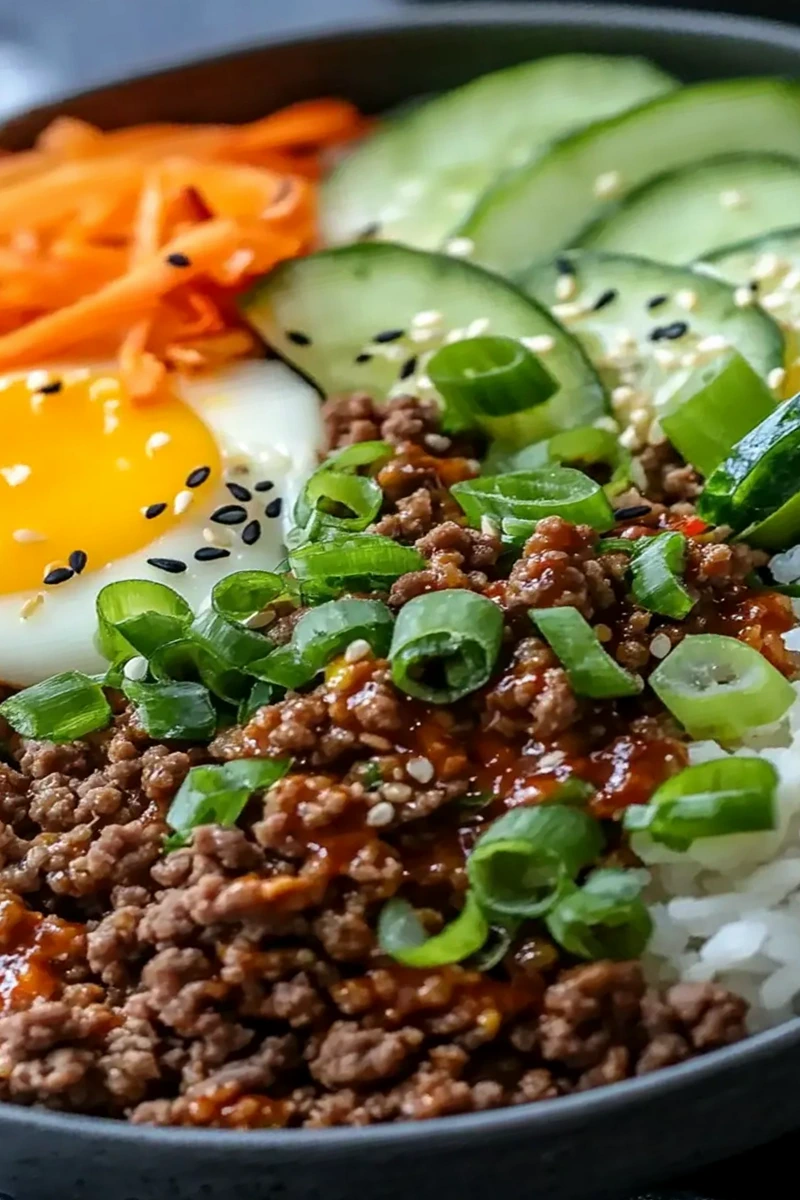
Prepare a fast and flavor-packed dinner with these Korean-style beef bowls. This meal combines savory meat and fresh broccoli over a bed of fluffy rice in under 30 minutes.
List of ingredients
- 1 pound ground beef – use a lean blend for better sauce adherence.
- 1 tablespoon sesame oil – adds a distinct nutty aroma.
- 2 cloves garlic, minced – provides a pungent flavor base.
- 1 tablespoon ginger, grated – adds a fresh, zesty heat.
- 1/4 cup soy sauce – provides the salty, umami foundation.
- 2 tablespoons brown sugar – balances the salt with sweetness.
- 1/2 teaspoon red pepper flakes – adds a mild spicy kick.
- 2 green onions, chopped – used for a fresh garnish.
- 3 cups cooked rice – serves as the neutral base for the bowl.
- 1 cup broccoli florets – adds nutrition and texture.
- 1 tablespoon sesame seeds – provides a slight crunch on top.
step-by-step instructions
- Brown the beef: Heat a large skillet over medium heat, add ground beef, and cook until completely browned.
- Add aromatics: Drain any excess fat from the pan, then stir in sesame oil, minced garlic, and grated ginger. Sauté for 2 minutes.
- Simmer the sauce: Pour in soy sauce, brown sugar, and red pepper flakes. Stir well and let simmer for a few minutes until combined.
- Cook the vegetables: Stir in broccoli florets and cook until they are tender but still maintain a slight crispness.
- Assemble and serve: Spoon the beef and broccoli mixture over cooked rice and garnish with chopped green onions and sesame seeds.
Cooking Performance Tips
Use High-Quality Lean Ground Beef
Selecting 90% lean ground beef reduces the amount of rendered fat in the pan. This ensures the sauce clings to the meat rather than floating in oil. If using a fattier blend, be sure to drain the skillet thoroughly before adding aromatics.
Prepare All Ingredients Before Cooking
Since this recipe moves quickly once the heat is on, have your garlic minced and ginger grated in advance. This prevents the garlic from burning while you are trying to measure out the soy sauce or brown sugar. This method is known as mise en place.
Control the Sauté Temperature
Keep the heat at a steady medium to avoid scorching the sugar in the sauce. If the pan becomes too hot, the brown sugar may caramelize too quickly and stick to the bottom. Stir frequently to ensure even heat distribution.
Avoid Overcooking the Broccoli
Add the broccoli during the final few minutes of cooking. This keeps the florets bright green and prevents them from becoming mushy. The goal is a tender-crisp texture that contrasts with the soft beef.
Ingredient Alternatives
Substitute Ground Turkey for Leaner Protein
Ground turkey or ground chicken can be used as a direct replacement for beef. Since poultry is leaner, you may need to add an extra teaspoon of sesame oil to maintain the richness of the dish. The flavor profile remains largely the same.
Use Maple Syrup Instead of Brown Sugar
Maple syrup provides a similar sweetness to brown sugar with a slightly different depth of flavor. Use an equal measurement by volume. This is a helpful alternative for those who prefer liquid sweeteners over granulated sugars.
Swap Soy Sauce for Coconut Aminos
For a lower-sodium option, coconut aminos can replace soy sauce. Coconut aminos are naturally sweeter, so you may want to reduce the brown sugar by one tablespoon. This keeps the balance of salty and sweet intact.
Incorporate Shredded Carrots or Peppers
If you prefer more variety than broccoli, add shredded carrots or thinly sliced bell peppers. Sauté these along with the broccoli to add more color and vitamins. These vegetables cook quickly and blend well with the ginger-soy sauce.
Serving Suggestions
Top with a Sunny-Side Up Egg
Adding a fried egg on top of the beef bowl creates a rich, creamy element. The runny yolk mixes with the soy sauce to create a natural sauce for the rice. This addition increases the protein content and satiety of the meal.
Pair with Spicy Fermented Cabbage
Serve the beef bowls with a side of kimchi for an authentic contrast. The acidity and fermentation of the cabbage cut through the richness of the beef and sesame oil. This provides a balanced flavor profile in every bite.
Add Fresh Sliced Cucumbers
Quickly pickled cucumbers with vinegar and a pinch of sugar add a refreshing crunch. These act as a palate cleanser between the savory bites of beef. Slice them thinly for the best texture and flavor absorption.
Use Quinoa for a Grain Alternative
If you prefer a higher protein grain, replace white rice with cooked quinoa. Quinoa absorbs the sauce effectively while adding an earthy flavor. This is a practical way to increase the fiber content of the dish.
Proper Storage Methods
Air-Tight Container Storage
Store leftovers in a glass or BPA-free plastic airtight container to prevent the beef from drying out. Ensure the lid is sealed tightly to keep the sauce from leaking. This method preserves the flavor for up to three days.
Cooling the Meat Before Refrigerating
Allow the beef and broccoli mixture to cool to room temperature before sealing the container. Putting hot food directly into the fridge can create condensation, which makes the rice mushy. This also helps maintain the safety of other refrigerated items.
Freezing Instructions for Bulk Prep
The beef and broccoli mixture can be frozen for up to two months without the rice. Freeze the meat in portions and thaw it in the refrigerator overnight. Add fresh rice when reheating to ensure the best texture.
Managing Sauce Separation
It is normal for the sauce to settle or separate slightly during cold storage. When you move the food to the microwave or pan, give it a quick stir. This reintegrates the fats and sugars for a consistent taste.
Efficient Reheating Techniques
Adding Water During Microwaving
Add a tablespoon of water or beef broth to the bowl before microwaving. This creates steam that rehydrates the rice and prevents the beef from becoming tough. Cover the bowl with a damp paper towel for best results.
Using a Skillet for Even Heating
Reheating the beef mixture in a skillet over medium heat is the best way to preserve texture. This allows you to evaporate any excess moisture and slightly caramelize the sauce again. Add the rice separately to avoid overcooking it.
Steam the Rice Separately
If reheating in bulk, steam the rice in a separate pot or microwave steamer. This prevents the rice from absorbing all the sauce from the beef during the heating process. Combine the two components just before serving.
Prevent Overheating the Vegetables
Be careful not to overheat the broccoli during the second cooking process. Since it was already cooked, a quick warm-through is sufficient. Excessive heat will turn the broccoli brown and soft.
Meal Planning Strategies
Dividing Portions for Work Lunches
Divide the rice and beef into four equal portions across four containers. This ensures you have a balanced meal for the week. Keeping the portions consistent helps with calorie tracking and food management.
Selecting Leak-Proof Glass Containers
Glass containers are preferred for this recipe because they do not absorb the strong smells of garlic and ginger. They are also safer for reheating in the microwave. Ensure the seals are leak-proof to avoid soy sauce spills in bags.
Maintaining Broccoli Texture
For multi-day meal prep, consider undercooking the broccoli slightly. This accounts for the additional heating that will occur when you microwave the meal later. This keeps the vegetables from becoming overcooked.
Rotating Meal Prep Days
Prepare this dish on a Sunday to cover lunches for the first half of the week. Since it lasts three days in the fridge, you can prepare a second batch on Wednesday. This ensures the ingredients remain fresh and flavorful.
Troubleshooting Common Issues
Reduce Saltiness with Extra Sugar
If the soy sauce makes the dish too salty, stir in an extra teaspoon of brown sugar or honey. The sweetness neutralizes the perceived saltiness without changing the overall flavor profile. Add this in small increments.
Remove Excess Oil with Paper Towels
If the beef releases more fat than expected, use a folded paper towel to soak up the oil. Do this after browning the beef but before adding the sesame oil. This prevents the final dish from feeling greasy.
Preventing Sogginess in Rice
Do not mix the beef into the rice while it is still in the pot. Instead, scoop the rice into bowls first and layer the beef on top. This prevents the rice grains from breaking down and becoming mushy.
Balancing Heat with Sesame Oil
If the red pepper flakes make the dish too spicy, increase the amount of sesame oil slightly. The fat in the oil helps coat the palate and mellows the intensity of the spice. You can also add a dollop of Greek yogurt on the side.
Frequently Asked Questions
Can I use chicken instead?
Yes, you can use ground chicken or thinly sliced chicken breast. If using breast meat, sauté it until fully cooked before adding the aromatics and sauce. The cooking time may vary slightly depending on the cut.
How do I make it spicier?
To increase the heat, add a teaspoon of Sriracha or Gochujang to the sauce mixture. You can also double the amount of red pepper flakes. For extra punch, add sliced fresh jalapeños during the sauté step.
Which rice is most authentic?
Short-grain white rice or jasmine rice are the best choices for this dish. These varieties have a slight stickiness that helps the savory sauce adhere to each grain. Brown rice is also a great option for added fiber.
Is this suitable for meal prep?
Yes, this recipe is ideal for meal prep because the flavors often deepen after a day in the refrigerator. The beef and broccoli hold up well, and the rice reheats easily with a bit of added moisture.
Print
Quick Korean Ground Beef Bowls
- Total Time: 25 minutes
- Yield: 4 bowls 1x
- Diet: General
Description
This Quick Easy Korean Ground Beef Bowl delivers restaurant-quality flavors in just 25 minutes, perfect for busy nights!
Ingredients
- 1 pound ground beef
- 1 tablespoon sesame oil
- 2 cloves garlic, minced
- 1 tablespoon ginger, grated
- 1/4 cup soy sauce
- 2 tablespoons brown sugar
- 1/2 teaspoon red pepper flakes
- 2 green onions chopped
- 3 cups cooked rice
- 1 cup broccoli florets
- 1 tablespoon sesame seeds
Instructions
- Step 1: In a large skillet over medium heat, add the ground beef and cook until browned.
- Step 2: Drain excess fat and add sesame oil, garlic, and ginger. Sauté for 2 minutes.
- Step 3: Add soy sauce, brown sugar, and red pepper flakes; stir until combined.
- Step 4: Stir in broccoli florets and cook until tender.
- Step 5: Serve over cooked rice and garnish with green onions and sesame seeds.
Notes
Feel free to customize with other proteins or vegetables as desired for a personal touch!
- Prep Time: 10 minutes
- Cook Time: 15 minutes
- Category: Dinner
- Method: Sautéing
- Cuisine: Korean
Nutrition
- Serving Size: 1 bowl
- Calories: 500 kcal
- Sugar: 5 g
- Sodium: 600 mg
- Fat: 30 g
- Saturated Fat: 11 g
- Unsaturated Fat: 19 g
- Trans Fat: 0 g
- Carbohydrates: 35 g
- Fiber: 2 g
- Protein: 25 g
- Cholesterol: 85 mg
Keywords: Korean ground beef, beef bowl, quick dinner, easy beef recipe, 25 minute meal