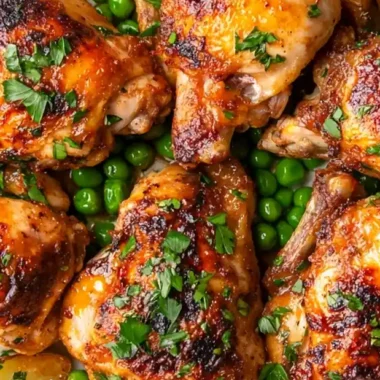
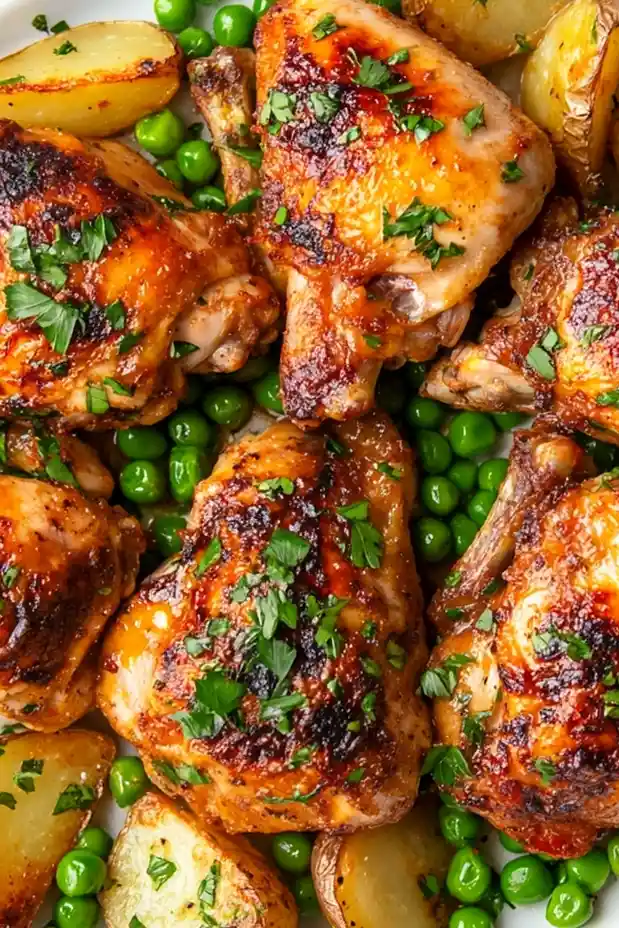
This hearty Italian-inspired dish combines crispy chicken pieces with tender potatoes in a rich, garlicky sauce. It is a complete one-pan meal that is ideal for family gatherings or a special dinner. Follow these steps to achieve a restaurant-quality finish at home.
List of ingredients
- 2 pounds bone-in, skin-on chicken pieces – provides maximum flavor and juiciness.
- Salt and freshly ground black pepper to taste – used for basic seasoning.
- 1/4 cup olive oil – used for searing the chicken.
- 2 cups Yukon Gold potato wedges – these hold their shape well during simmering.
- 1/2 onion, chopped – adds aromatic depth to the sauce.
- 5 cloves garlic, sliced – essential for the signature garlicky taste.
- 2/3 cup alcohol-free white wine substitute – such as a mix of white grape juice and lemon juice.
- 2/3 cup chicken stock – creates the base of the savory sauce.
- 2 tablespoons chopped fresh parsley – adds a bright, herbaceous finish.
- 1 tablespoon Italian seasoning – a blend of herbs for authentic flavor.
- 1 tablespoon butter – adds richness and thickens the sauce.
- 1/2 cup frozen peas – adds color and a touch of sweetness.
step-by-step instructions
- Season: Apply salt and freshly ground black pepper to all sides of the chicken pieces.
- Sear: Heat olive oil in a large skillet over medium heat and brown the chicken on both sides until the skin is crispy and golden.
- Sauté: Add the chopped onions and sliced garlic to the skillet and cook for 2-3 minutes until softened.
- Deglaze: Pour in the alcohol-free white wine substitute, scraping the bottom of the pan to release the browned flavor bits.
- Simmer Base: Stir in the chicken stock, fresh parsley, Italian seasoning, and butter until well combined.
- Cook Potatoes: Arrange the potato wedges around the chicken pieces, cover the skillet with a lid, and simmer for 30-40 minutes.
- Finish: Stir in the frozen peas and cook for an additional 5 minutes before serving.
Expert Cooking Secrets
Use a Heavy-Bottomed Skillet
A cast-iron or heavy stainless steel pan ensures even heat distribution across the surface. This prevents hot spots that can burn the garlic or cause the chicken skin to scorch. It also helps maintain a steady simmer when the lid is applied.
Dry the Chicken Skin Thoroughly
Pat the chicken dry with paper towels before seasoning. Excess moisture creates steam, which prevents the skin from becoming truly crispy during the searing process. Dry skin allows the oil to brown the meat more efficiently.
Avoid Overcrowding the Pan
If the chicken pieces are too crowded, they will steam instead of sear. Work in batches if necessary to ensure every piece has enough space to develop a golden-brown crust. This step is crucial for the overall texture of the dish.
Maintain Medium-High Heat for Searing
Ensure the olive oil is shimmering before adding the chicken. Searing at the correct temperature locks in juices and creates a flavorful fond on the bottom of the pan. Avoid using high heat, which can burn the outside before the inside cooks.
Scrape the Pan During Deglazing
The browned bits left after searing are called the fond and contain concentrated flavor. When adding the white wine substitute, use a wooden spoon to scrape these bits into the liquid. This integrates the meat’s essence into the final sauce.
Ensure Uniform Potato Cutting
Cut the Yukon Gold potatoes into wedges of similar size. Uniformity ensures that all potato pieces cook at the same rate. This prevents some wedges from becoming mushy while others remain hard.
Ingredient Alternatives
Use Red Potatoes Instead of Yukon Gold
Red potatoes are a great substitute if Yukon Golds are unavailable. They have a slightly waxier texture and hold their shape well. You may need to adjust the simmer time by a few minutes depending on the potato size.
Substitute Fingerling Potatoes
Fingerling potatoes add a gourmet touch and a different shape to the dish. Because they are typically smaller, they may cook faster than thick wedges. Keep a close eye on them during the final 10 minutes of simmering.
Replace Butter with Olive Oil
For those avoiding butter, a tablespoon of high-quality olive oil provides a similar richness. While you lose some of the creamy consistency, the flavor remains bold. The sauce will be slightly lighter in texture.
Use Dried Parsley if Fresh is Unavailable
If you do not have fresh parsley, dried parsley is a functional replacement. Use about one-third of the amount requested for dried herbs. Add them earlier in the process to allow the flavor to bloom in the heat.
Swap Frozen Peas for Fresh Peas
Fresh peas provide a snappier texture and a brighter green color. Add them at the same stage as the frozen peas. Be sure to blanch them quickly if they are very fresh to ensure they are tender.
Substitute Chicken Stock with Vegetable Broth
Vegetable broth is a suitable alternative for the chicken stock. This maintains the savory profile while altering the base. Ensure the broth is low-sodium to keep the salt levels balanced.
Creative Flavor Twists
Add Red Pepper Flakes for Heat
If you prefer a spicier profile, add a pinch of red pepper flakes during the sauté step. This introduces a subtle heat that cuts through the richness of the butter and chicken. Adjust the amount based on your spice tolerance.
Incorporate Grated Parmesan Cheese
Sprinkle freshly grated Parmesan over the chicken in the last five minutes of cooking. The cheese melts into the sauce, adding a salty, nutty depth. This creates a thicker, more indulgent sauce consistency.
Add Sliced Mushrooms for Earthiness
Sauté sliced cremini or button mushrooms along with the onions and garlic. Mushrooms absorb the wine and stock, adding an earthy flavor to the meal. They also provide a heartier texture to the vegetable component.
Use Fresh Rosemary for Aroma
Adding a sprig of fresh rosemary during the simmering process elevates the aromatic profile. Rosemary pairs exceptionally well with both chicken and potatoes. Remove the stem before serving to keep the dish neat.
Add Diced Carrots for Color
Diced carrots added during the sauté phase provide visual contrast and natural sweetness. They cook at a similar rate to the onions and garlic. This makes the dish feel more like a complete rustic stew.
Include Sliced Bell Peppers
Red or yellow bell peppers add a mild sweetness and vibrant color. Add them after the garlic is sautéed to prevent them from overcooking. This adds a Mediterranean touch to the Italian flavor profile.
Serving and Plating Suggestions
Platter Presentation
Transfer the chicken and potatoes to a large, wide platter. Spoon the remaining sauce from the skillet over the top to give the meat a glossy finish. Garnish with extra fresh parsley for a professional look.
Individual Portioning
For a formal dinner, plate one piece of chicken and a handful of potatoes per person. Drizzle the sauce specifically over the meat and surround the edges with peas. This prevents the plate from looking overcrowded.
Pairing with Caesar Salad
A crisp Caesar salad provides a refreshing contrast to the rich, garlicky sauce. The acidity of the lemon and vinegar in the dressing cleanses the palate. Serve the salad in a separate bowl to keep it crisp.
Serving with Wild Rice Pilaf
Wild rice pilaf adds a nutty flavor and extra heartiness to the meal. It is an excellent vehicle for soaking up the extra sauce from the pan. This is a great option for larger appetites.
Adding a Side of Garlic Green Beans
Blanched green beans sautéed with garlic and lemon complement the chicken perfectly. They add a bright green color and a crunch that balances the soft potatoes. Keep the seasoning light to avoid overpowering the main dish.
Complementing with Creamy Polenta
Serve the chicken and sauce over a bed of creamy polenta. The cornmeal base absorbs the garlic and wine flavors beautifully. This transforms the meal into a comforting, porridge-style Italian dinner.
Storage and Reheating Guide
Airtight Container Storage
Store leftovers in an airtight glass or plastic container. Ensure the chicken and potatoes are fully submerged in the sauce to prevent the meat from drying out. Keep the container sealed tightly to avoid odors from the fridge.
Maximum Refrigeration Time
This dish stays fresh in the refrigerator for up to three to four days. The flavors often meld and improve after the first day. Always ensure the food is cooled slightly before sealing the lid.
Freezer Storage Guidelines
While you can freeze this dish, the potatoes may change texture and become slightly grainy. If freezing, store in a freezer-safe bag and remove as much air as possible. It will keep for up to two months.
Oven Reheating Method
Reheat the dish in the oven at 325°F (160°C) covered with foil. This preserves the moisture and helps the chicken skin regain some of its structure. Heat until the center of the chicken is steaming.
Microwave Reheating Tips
Microwave the food in short bursts of 60 seconds, stirring gently in between. Add a splash of water or chicken stock to prevent the sauce from thickening too much. Use a microwave-safe cover to trap steam.
Restoring Sauce Consistency
If the sauce becomes too thick after refrigeration, stir in a tablespoon of water or broth while reheating. This returns the sauce to its original glossy consistency. Stir gently to avoid breaking the potato wedges.
Preparation and Timing Advice
Room Temperature Meat
Let the chicken sit at room temperature for about 20 minutes before cooking. This ensures more even cooking throughout the meat. It also prevents the pan temperature from dropping too sharply when the meat is added.
Pre-cutting Vegetables
Chop your onions, slice the garlic, and cut the potato wedges before turning on the heat. Having everything ready prevents the garlic from burning while you are still preparing other ingredients. This is known as mise en place.
Preparing the Sauce Base
You can mix the chicken stock, Italian seasoning, and alcohol-free wine substitute in a measuring cup beforehand. This allows you to pour everything in quickly during the deglazing and simmering steps. It keeps the cooking process fluid.
Managing Cook Times
Keep a timer handy for the 30-40 minute simmering period. Check the potatoes at the 30-minute mark by piercing one with a fork. If it slides in easily, you can move to the final step with the peas.
Common Cooking Problems
Fixing Thin Sauce
If the sauce is too thin after simmering, remove the lid and increase the heat for a few minutes. This allows the liquid to reduce and thicken through evaporation. Be careful not to over-reduce, or the sauce may become too salty.
Preventing Mushy Potatoes
Avoid stirring the potatoes too frequently during the simmering process. Constant movement can break the edges of the wedges and release too much starch into the sauce. Let them simmer undisturbed under the lid.
Resolving Undercooked Chicken
If the chicken is not fully cooked but the potatoes are done, remove the potatoes to a plate. Increase the heat slightly and simmer the chicken for another 5-10 minutes. Add the potatoes back in just before serving.
Preventing Garlic Burn
Garlic burns quickly and becomes bitter. If the pan is too hot when you add the garlic, toss in the onions first to lower the temperature. Ensure the garlic is sliced rather than minced to slow down the browning process.
Frequently Asked Questions
How should I plate Chicken Vesuvio for guests?
Use a wide platter to arrange chicken and potatoes attractively, spoon sauce lightly over the meat, and garnish with fresh parsley for color.
Can I serve this as individual portions instead of family-style?
Yes, portion chicken and potatoes onto individual plates, drizzle sauce, and add garnishes for a restaurant-quality presentation.
Which sides enhance the flavors without overpowering the dish?
Try light, complementary sides like Garlic Butter Green Beans, Parmesan Risotto, or roasted vegetables like Mediterranean Veggies.
How do I keep the chicken skin crispy when serving?
Avoid covering chicken with sauce until just before serving. Drizzle lightly or serve sauce on the side to maintain crispiness.
Can I substitute Yukon Gold potatoes for other types?
Yes, fingerling potatoes or sweet potatoes work, but adjust cooking time to ensure they remain tender and golden.
Print
Savory Chicken Vesuvio with Golden Potatoes
- Total Time: 80 minutes
- Yield: 8 servings 1x
- Diet: General
Description
Chicken Vesuvio is a flavorful Italian dish featuring crispy chicken, garlic, alcohol-free white wine sauce, and tender Yukon Gold potatoes. Simple yet indulgent, it’s perfect for family dinners or a special meal.
Ingredients
- 2 pounds bone-in skin-on chicken pieces
- salt and freshly ground black pepper to taste
- ¼ cup olive oil
- 2 cups Yukon Gold potato wedges
- ½ onion, chopped
- 5 cloves garlic, sliced
- ⅔ cup alcohol-free white wine alternative
- ⅔ cup chicken stock
- 2 tablespoons chopped fresh parsley
- 1 tablespoon Italian seasoning
- 1 tablespoon butter
- ½ cup frozen peas
Instructions
- Step: Season the chicken with salt and pepper.
- Step: Heat olive oil in a large skillet over medium heat.
- Step: Brown the chicken pieces on both sides until crispy and golden.
- Step: Add chopped onions and sliced garlic, and sauté for 2-3 minutes.
- Step: Deglaze with alcohol-free white wine alternative, scraping up any browned bits from the pan.
- Step: Add chicken stock, parsley, Italian seasoning, and butter. Stir well.
- Step: Arrange potato wedges around the chicken, cover, and simmer for 30-40 minutes.
- Step: Finish with frozen peas, cook for 5 more minutes, then serve.
Notes
For extra richness, sprinkle grated Parmesan or mozzarella over the chicken in the last few minutes of cooking. You can also swap Yukon Gold potatoes for fingerlings or sweet potatoes.
- Prep Time: 15 minutes
- Cook Time: 65 minutes
- Category: Main Course
- Method: Sautéing and Simmering
- Cuisine: Italian
Nutrition
- Serving Size: 1 serving
- Calories: 306 kcal
- Sugar: 1 g
- Sodium: 174 mg
- Fat: 16 g
- Saturated Fat: 4 g
- Unsaturated Fat: 12 g
- Trans Fat: 0 g
- Carbohydrates: 12 g
- Fiber: 2 g
- Protein: 23 g
- Cholesterol: 80 mg
Keywords: Chicken Vesuvio, Italian chicken, one-pan meal, Yukon Gold potatoes