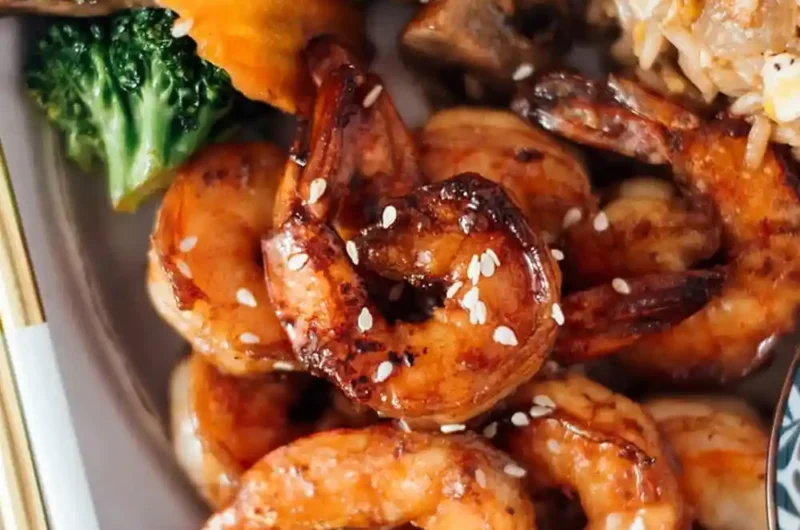
Enjoy a restaurant-quality Japanese steakhouse experience with this quick and buttery shrimp dish. These succulent shrimp are seared at high heat and glazed in a rich, savory sauce in under ten minutes.
List of ingredients
- 1 lb. raw shrimp – peeled and deveined for easy eating.
- 1 tablespoon butter – provides a rich, creamy base for searing.
- 1 teaspoon garlic, minced – adds a sharp, aromatic flavor.
- 1/4 teaspoon sesame oil (optional) – used as a nutty finishing touch.
- 1 1/2 tablespoons soy sauce – brings the essential salty, umami depth.
- 1 1/2 tablespoons teriyaki sauce – adds sweetness and a glossy glaze.
- Pepper to taste – for a touch of warmth.
step-by-step instructions
- Prepare the glaze: In a small bowl, combine the soy sauce, teriyaki sauce, and pepper. Stir well and set this mixture aside for easy access during cooking.
- Sauté the aromatics: Set a pan over medium-high heat and melt the butter. Add the minced garlic and sauté for about 30 seconds until it becomes fragrant but not brown.
- Sear the shrimp: Add the raw shrimp to the pan. Give them a quick stir to ensure every piece is coated in the garlic butter.
- Add the sauce: Pour the prepared soy-teriyaki sauce over the shrimp. Toss the shrimp continuously to ensure they are fully coated in the glaze.
- Stir-fry: Continue to cook for about 5 minutes. Stir frequently until the shrimp are opaque and the sauce has thickened and reduced into a sticky glaze.
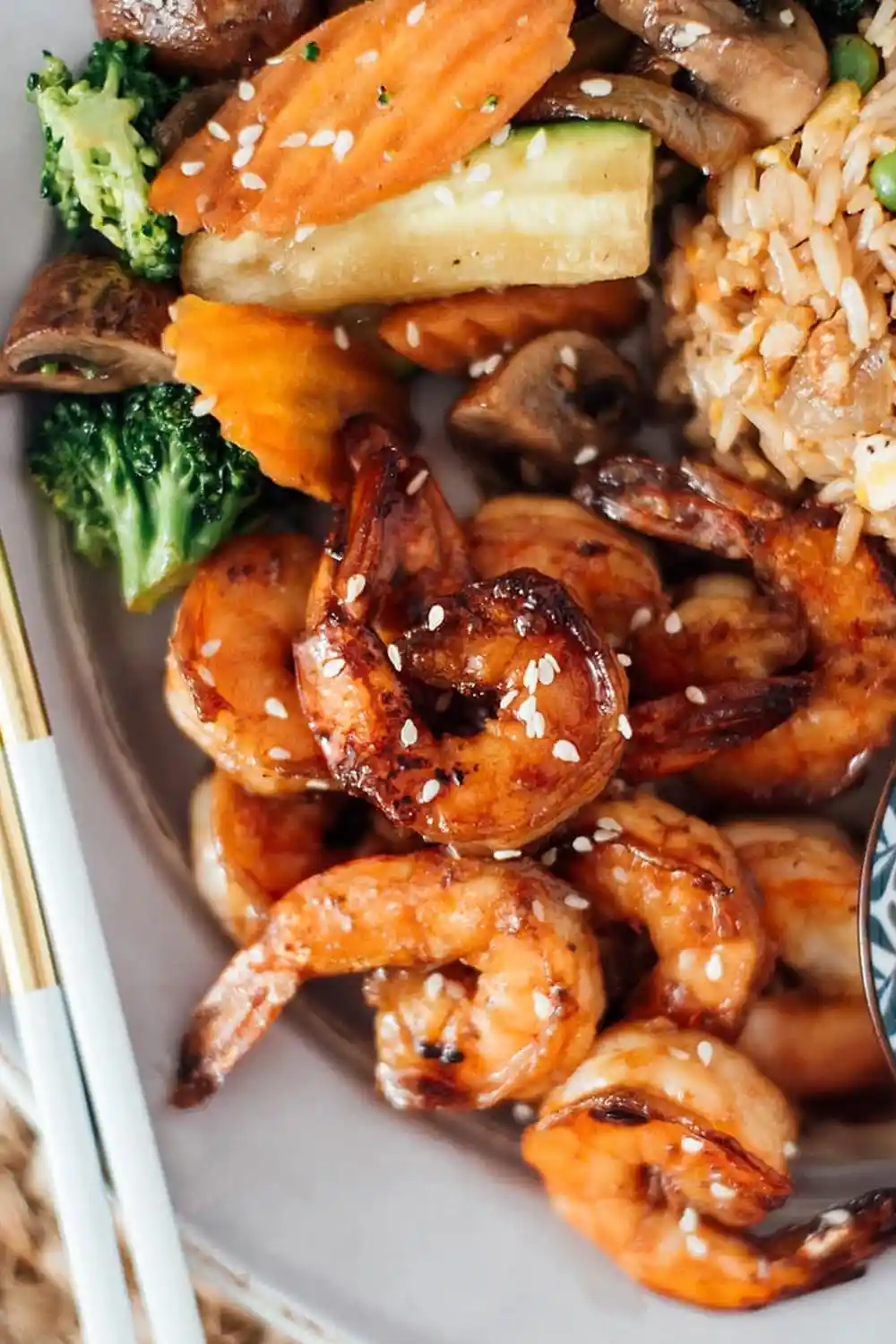
- Final touch: Turn off the heat and drizzle the optional sesame oil over the shrimp. Serve immediately alongside hibachi rice, noodles, or vegetables.
Pro Tips for the Perfect Sear
Use a Cast Iron Skillet or Wok
To achieve the signature hibachi sear, you need a pan that can maintain very high temperatures. A cast iron skillet or a carbon steel wok is ideal because they distribute heat evenly and prevent the pan from cooling down when the shrimp are added.
Dry the Shrimp Thoroughly
Moisture is the enemy of a good sear. Before adding your shrimp to the pan, pat them dry with paper towels to remove excess water. This prevents the shrimp from steaming and allows them to brown quickly in the butter.
Avoid Overcrowding the Pan
If you add too many shrimp at once, the pan temperature will drop and the shrimp will release excess liquid. Cook in batches if necessary to ensure there is enough space for each shrimp to touch the hot surface of the pan.
Watch for the Visual Cues
Shrimp cook very quickly and can become rubbery if overdone. They are finished when they change from translucent gray to an opaque white and pink color. Stop cooking just as they curl into a ‘C’ shape; a tight ‘O’ shape indicates they are overcooked.
Ingredient Substitutions
Low Sodium Soy Sauce Options
If you are watching your salt intake, you can easily swap standard soy sauce for a low-sodium version. Since the teriyaki sauce also contains salt, you likely will not need to add any additional salt to the dish.
Coconut Aminos for Soy-Free Cooking
For those avoiding soy, coconut aminos are an excellent alternative. They provide a similar salty and slightly sweet flavor profile, although they are slightly thinner than traditional soy sauce.
Garlic Powder Instead of Fresh
If fresh garlic is unavailable, you can use garlic powder as a replacement. Use about 1/4 teaspoon of powder and add it directly to the sauce mixture rather than sautéing it in butter to avoid burning.
Replacing Butter with Ghee or Oil
While butter provides the classic steakhouse flavor, ghee or a high-smoke point oil like avocado oil can be used. Ghee is especially useful as it offers a buttery taste but can withstand higher temperatures without burning.
Variation Ideas
Adding Fresh Ginger for Zest
For a more complex flavor, add a teaspoon of freshly grated ginger to the pan along with the garlic. The ginger adds a bright, spicy note that complements the sweetness of the teriyaki glaze perfectly.
Incorporating Mixed Vegetables
You can turn this into a full meal by adding sliced zucchini, carrots, and onions. Sauté the vegetables first until tender-crisp, remove them from the pan, cook the shrimp, and then toss everything back together at the end.
Spicy Hibachi Shrimp with Sriracha
If you prefer a kick of heat, stir a teaspoon of Sriracha or chili garlic sauce into the soy-teriyaki mixture. This adds a spicy depth that cuts through the richness of the butter.
Honey-Glazed Hibachi Shrimp
For a sweeter version of this dish, replace half of the teriyaki sauce with honey. This creates a thicker, stickier glaze that caramelizes beautifully on the surface of the shrimp during the stir-fry process.
Serving Suggestions
Pairing with Fried Hibachi Rice
Classic hibachi fried rice made with butter, soy sauce, and peas is the traditional accompaniment. The savory rice acts as a perfect base for the buttery shrimp and helps soak up any extra sauce remaining on the plate.
Serving with Hibachi Noodles
Yakisoba or thin wheat noodles sautéed in a similar soy-butter sauce offer a great textural contrast. Toss the noodles with cabbage and carrots for a complete Japanese-inspired platter.
Complementing with Sautéed Zucchini and Onions
Sautéed zucchini and onions are a staple at hibachi grills. Cook them in butter and a pinch of salt until they are softened but still have a slight bite to them.
Making a Side of Yum Yum Sauce
To complete the experience, serve the shrimp with a side of creamy Yum Yum sauce. Blend mayonnaise, melted butter, a touch of ketchup, paprika, garlic powder, onion powder, and a pinch of sugar until smooth.
Storage and Reheating
Refrigeration Guidelines
Store any leftover shrimp in an airtight container in the refrigerator. They will remain fresh and safe to eat for up to three to four days, though the texture is best when consumed immediately.
Best Ways to Reheat Shrimp
To avoid making the shrimp rubbery, reheat them gently. Use a skillet over low heat with a small pat of butter, or microwave them in short 30-second bursts, stirring in between until just warmed through.
Freezing Considerations
It is generally not recommended to freeze cooked shrimp, as the texture can become mushy upon thawing. If you must freeze them, use a vacuum-sealed bag to minimize freezer burn and reheat them quickly.
Common Troubleshooting
Why is My Sauce Too Thin?
If the sauce is too liquid, you may not have cooked it long enough or your pan temperature was too low. Continue to stir-fry on medium-high heat for another minute to allow the sugars in the teriyaki sauce to reduce and thicken.
How to Prevent Rubbery Shrimp
Rubbery shrimp are almost always a result of overcooking. Ensure your pan is hot before adding the shrimp so they sear quickly, and remove them from the heat the moment they turn opaque.
Fixing Over-Salty Shrimp
If the dish tastes too salty, you can balance the flavor by adding a teaspoon of sugar or a squeeze of fresh lemon juice. The acidity or sweetness helps neutralize the intensity of the soy sauce.
Frequently Asked Questions
Can I use frozen shrimp?
Yes, you can use frozen shrimp, but they must be completely thawed first. Thaw them in a bowl of cold water, then pat them extremely dry with paper towels to ensure they sear rather than steam.
Do I need to leave the tails on?
Leaving the tails on is mostly for presentation and provides a convenient handle for dipping. You can remove them before cooking if you prefer a more convenient eating experience.
What is the best type of shrimp for this recipe?
Jumbo or large shrimp are the best choice because they hold up better to high-heat searing. Smaller shrimp cook too quickly and are more prone to becoming overdone and rubbery.
Can I cook this in an air fryer?
While the air fryer can cook shrimp, it won’t provide the same buttery sear. If using an air fryer, toss the shrimp in the sauce and butter, then cook at 400°F for 5-8 minutes, shaking the basket halfway through.
Print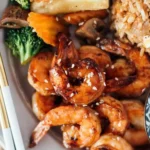
Savory Hibachi-Style Shrimp
- Total Time: 10 minutes
- Yield: 2 servings 1x
- Diet: General
Description
Enjoy succulent hibachi shrimp at home with buttery shrimp seared in a rich Asian-inspired sauce and cooked in only 5 minutes.
Ingredients
- 1 lb. raw shrimp, peeled and deveined
- 1 tablespoon butter
- 1 teaspoon garlic, minced
- 1/4 teaspoon sesame oil (optional)
- 1 1/2 tablespoons soy sauce
- 1 1/2 tablespoons teriyaki sauce
- Pepper to taste
Instructions
- Step 1: Combine the sauce ingredients and set aside.
- Step 2: Over medium-high heat, melt the butter and add the garlic. Saute until fragrant, about 30 seconds.
- Step 3: Add in shrimp and do a quick stir to mix well.
- Step 4: Pour in the sauce and toss to fully coat the shrimp in the sauce.
- Step 5: Stir-fry for about 5 minutes or until the shrimp is cooked and the sauce has cooked down.
- Step 6: Finish with a drizzle of sesame oil (optional before serving hot with hibachi rice, hibachi noodles, or hibachi vegetables.
Notes
Yum Yum Sauce (4-6 servings): 1 cup mayonnaise, 1 tablespoon butter (melted), 1/2 tablespoon Sriracha sauce/ketchup, 1/4 teaspoon paprika, 1 teaspoon garlic powder, 1 teaspoon onion powder, 1/8 teaspoon cayenne pepper, 1 tablespoon sugar, 1 tablespoon non-alcoholic mirin alternative (optional), 1–2 tablespoons water.
- Prep Time: 5 minutes
- Cook Time: 5 minutes
- Category: Main Dishes
- Method: Stir-fry
- Cuisine: Japanese
Nutrition
- Serving Size: 1 serving
- Calories: 300 kcal
- Sugar: 4 g
- Sodium: 850 mg
- Fat: 8 g
- Saturated Fat: 4 g
- Unsaturated Fat: 4 g
- Trans Fat: 0 g
- Carbohydrates: 8 g
- Fiber: 1 g
- Protein: 45 g
- Cholesterol: 180 mg
Keywords: hibachi shrimp, japanese steakhouse, stir-fry shrimp, quick dinner, seafood