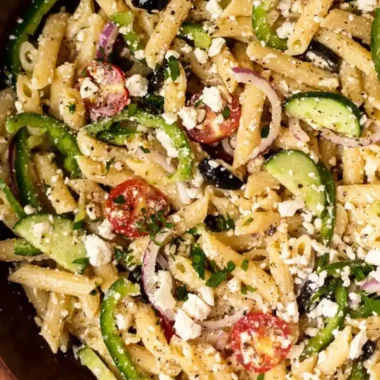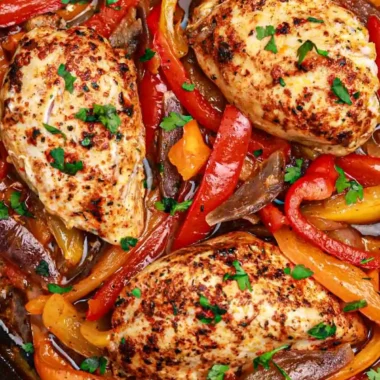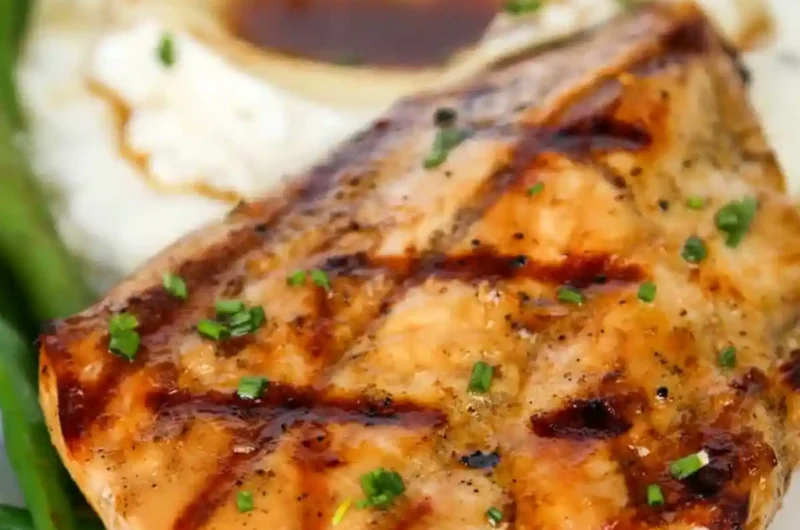
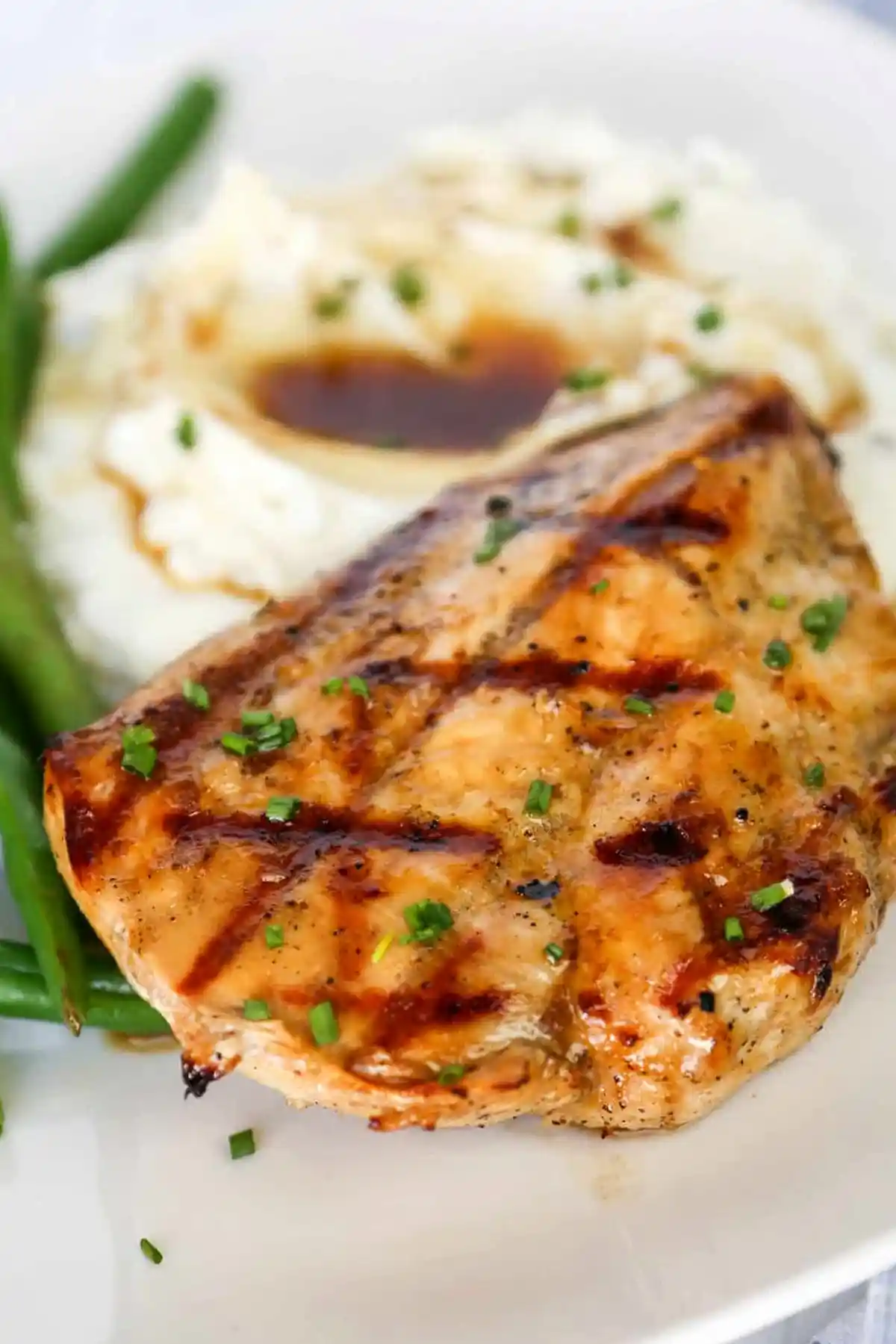
This savory chicken marinade uses simple pantry staples to transform plain poultry into a flavor-packed meal. It is a versatile preparation that works perfectly for salads, sandwiches, or as a standalone main protein.
List of ingredients
- 6 tablespoons olive oil – creates a smooth base and prevents sticking.
- 1/4 cup red wine vinegar – adds a sharp, tangy acidity to tenderize the meat.
- 2 teaspoons Dijon Mustard – provides a subtle tang and helps the marinade cling.
- 2 teaspoons Worcestershire sauce – delivers a deep, savory umami punch.
- 2 cloves garlic (minced) – adds an aromatic and pungent flavor profile.
- 1 teaspoon salt – enhances all other flavors in the mix.
- 1/2 teaspoon freshly ground black pepper – adds a light, spicy warmth.
- 2 pounds boneless skinless chicken breasts – can be substituted with chicken tenders or thighs.
step-by-step instructions
- Prepare the Marinade: Combine the olive oil, red wine vinegar, Dijon mustard, Worcestershire sauce, minced garlic, salt, and pepper in a gallon-sized freezer bag. Seal the bag and shake vigorously to emulsify the ingredients. You may store this mixture separately or add 1.5 to 2 pounds of chicken directly to the bag and massage the meat to ensure full coverage.
- Marinate the Meat: Place the sealed bag in the refrigerator for at least 2 hours and up to 24 hours. To prevent leaks, it is recommended to set the bag inside a shallow container or bowl.
- Cook the Chicken: Ensure the chicken reaches an internal temperature of 165°F or is no longer pink in the center. Choose one of the following methods:
- Oven: Preheat to 400°F. Place chicken in a greased casserole dish or on a rimmed baking sheet and bake uncovered for 20-25 minutes.
- Slow Cooker: Place chicken and marinade in the pot. Cover and cook on LOW for 2.5 to 3.5 hours to prevent the meat from becoming dry.
- Instant Pot: Place chicken and marinade in a 6-quart pot with 1/3 cup chicken broth (use an additional 1/2 cup for 8-quart models). Cook on high pressure for 7 minutes and perform a quick pressure release.
- Grill: Pound chicken to 3/4 inch thickness. Preheat grill to 400-450°F, clean grates, and cook for 4-6 minutes per side with the lid closed.
- Air Fryer: Pound chicken to an even thickness and drain the marinade. Air fry at 375°F for 10-12 minutes, flipping once, until the internal temperature hits 160°F.
- Create an Optional Sauce: Pour any leftover marinade into a small pot and bring it to a rolling boil for at least 1 minute. Strain the liquid if desired and pour it over the finished chicken for extra flavor.
Techniques for Maximum Tenderness
Pounding Chicken for Even Cooking
Chicken breasts vary in thickness, which often leads to overcooked edges and raw centers. Place each breast in a freezer bag and use a meat mallet to pound it to a uniform 3/4 inch thickness. This ensures the meat cooks quickly and evenly across the entire surface.
Using a Digital Meat Thermometer
The only certain way to avoid dry chicken is to use an instant-read thermometer. Insert the probe into the thickest part of the breast and remove it from the heat exactly when it hits 165°F. This prevents the overcooking that happens when relying solely on visual cues.
Allowing the Meat to Rest
Let the chicken rest for 5 to 10 minutes after cooking before slicing into it. Resting allows the juices to redistribute throughout the fibers of the meat. This step ensures that the moisture stays inside the chicken rather than running out onto the plate.
Ingredient Substitutions and Swaps
Alternative Vinegar Options
If you do not have red wine vinegar, apple cider vinegar is a great substitute for a slightly sweeter tang. White wine vinegar provides a cleaner, sharper acidity. Avoid using plain white distilled vinegar as it can be too harsh for this specific flavor profile.
Mustard Variations
Dijon mustard is preferred for its smooth texture and pungent taste. You can use whole-grain mustard for a more rustic look and popped texture in the marinade. Honey mustard can be used if you prefer a sweeter, less acidic flavor.
Garlic Substitutes
Freshly minced garlic provides the strongest aroma and flavor. If fresh is unavailable, use 1/2 teaspoon of garlic powder per clove. Garlic paste from a tube also works well and blends smoothly into the oil base.
Oil Alternatives
While olive oil is the standard, avocado oil is an excellent choice due to its higher smoke point. This is particularly useful for grilling or high-heat searing. Grapeseed oil is another neutral option that will not alter the taste of the marinade.
Customizing the Flavor Profile
Adding Fresh Herb Notes
For a more garden-fresh taste, stir in one tablespoon of chopped fresh parsley or oregano. Dried Italian seasoning also works well if you prefer a more concentrated, savory herb profile. Add these directly into the freezer bag before shaking.
Increasing the Heat
To add a spicy kick, incorporate a pinch of cayenne pepper or a teaspoon of crushed red pepper flakes. Sriracha can be whisked into the marinade for a modern, spicy-sweet twist. Be sure to adjust the salt levels if using a salty hot sauce.
Incorporating Citrus Tones
Substituting half of the red wine vinegar with fresh lemon juice adds a bright, zesty quality to the meat. This works exceptionally well for grilled chicken served on salads. A splash of lime juice can also shift the flavor toward a more tropical profile.
Serving and Pairing Ideas
Pairing with Hearty Grains
Serve the sliced chicken over a bed of buttered noodles or fluffy quinoa. The savory juices from the chicken complement the neutral flavors of the grains perfectly. Adding a sprinkle of fresh parmesan cheese on top enhances the overall richness.
Creating Fresh Salad Combinations
Slice the cooked chicken and place it atop a Cobb salad with avocado, hard-boiled eggs, and tomato. You can also use a portion of the unmarinated sauce (or the boiled sauce) as a dressing. The acidity of the marinade cuts through the creaminess of the salad components.
Sandwich and Wrap Applications
Place the chicken on a whole grain bun with melted provolone cheese, lettuce, and tomato. For a healthier option, wrap the sliced meat in a flour tortilla with hummus and shredded carrots. The savory flavor makes it a substantial filling for lunch.
Side Dish Suggestions
This chicken pairs excellently with Boursin mashed potatoes or roasted baby potatoes. For a vegetable side, try sautéed garlicky green beans or a crisp Caesar salad. These sides complement the umami notes of the Worcestershire sauce.
Storage and Meal Preparation
Refrigeration Guidelines
Once cooked, store the chicken in an airtight container in the refrigerator for up to 4 days. Keep the extra boiled sauce in a separate small jar to maintain its consistency. Always cool the meat slightly before sealing the container to prevent excess moisture buildup.
Freezer Meal Instructions
Combine the raw chicken and marinade in a freezer-safe bag and freeze for up to 3 months. There is no need to marinate the meat before freezing, as it will marinate during the thawing process. This is an efficient way to prep multiple meals at once.
Safe Thawing Methods
Thaw the frozen chicken in the refrigerator overnight for the safest results. If you are short on time, place the sealed bag in a bowl of cold water, changing the water every 30 minutes. Never thaw chicken on the counter at room temperature.
Reheating for Best Quality
Gentle Oven Reheating
To keep the chicken moist, place it in a baking dish with a tablespoon of water or broth. Cover the dish with foil and heat at 325°F until the meat is warmed through. This prevents the edges from drying out or becoming rubbery.
Quick Microwave Method
Place the chicken on a microwave-safe plate and cover it with a damp paper towel. Heat in 30-second intervals, flipping the meat between each burst. This traps the steam and helps maintain the tenderness of the breast.
Troubleshooting Common Issues
Preventing Dry Chicken
If your chicken consistently comes out dry, check your cooking time and temperature. Overcooking is the primary cause of dryness, so always rely on a thermometer rather than a timer. Using chicken thighs instead of breasts also provides more fat, which naturally resists drying.
Managing Excess Saltiness
If the marinade tastes too salty, you can balance it by adding a teaspoon of brown sugar or honey. Increasing the amount of olive oil can also dilute the salt concentration. Always taste the marinade before adding the meat if you are unsure.
Fixing Bland Results
If the flavor is too mild, ensure you are marinating for at least 2 hours. The acidity of the vinegar needs time to break down the fibers and allow the seasonings to penetrate. You can also brush extra boiled sauce onto the meat during the final minutes of cooking.
Frequently Asked Questions
How long should I marinate chicken?
The ideal window is between 2 and 24 hours. Marinating for less than an hour may not provide enough flavor penetration, while exceeding 24 hours can make the meat mushy due to the acid in the vinegar.
Can I use chicken thighs instead of breasts?
Yes, chicken thighs work very well with this marinade. Because thighs have a higher fat content, they are more forgiving during the cooking process and often result in a juicier piece of meat.
Is the leftover marinade safe to use as a sauce?
It is only safe if you bring it to a rolling boil for at least one minute. This process kills any bacteria introduced by the raw chicken, making it safe to pour over your finished dish.
Can I freeze the chicken while it is in the marinade?
Absolutely. Freezing the chicken in the marinade is an excellent meal-prep strategy. The meat will marinate as it thaws in the refrigerator, meaning it is ready to cook immediately after thawing.
Print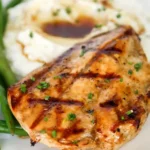
Savory Marinated Chicken
- Total Time: 17 minutes
- Yield: 5 servings 1x
- Diet: General
Description
This Savory Chicken recipe packs a punch! With just a few pantry staple ingredients, boring chicken is taken to a whole new flavor level.
Ingredients
- 6 tablespoons olive oil
- 1/4 cup red wine vinegar
- 2 teaspoons Dijon Mustard
- 2 teaspoons Worcestershire sauce
- 2 cloves garlic (minced)
- 1 teaspoon salt
- 1/2 teaspoon freshly ground black pepper
- 2 pounds boneless skinless chicken breasts
Instructions
- Make Marinade: Add the oil, vinegar, Dijon mustard, Worcestershire sauce, garlic, salt and pepper to a gallon-sized freezer bag, seal, and shake.
- Marinate Chicken: Place the bag in the refrigerator for at least 2 hours and up to 24 hours.
- Cook Chicken: Cook the chicken using your preferred method (bake, slow cooker, Instant Pot, grill, or air fry) until it reaches 165°F internally.
- Make Extra Sauce (optional): Bring leftover marinade to a rolling boil for at least 1 minute and strain if desired.
Notes
Chicken is done when it reaches 165°F internal temperature. Use a digital meat thermometer for accuracy.
- Prep Time: 5 minutes
- Cook Time: 12 minutes
- Category: Chicken
- Method: Marinating
- Cuisine: American
Nutrition
- Serving Size: 1 serving
- Calories: 362 kcal
- Sugar: 0.3 g
- Sodium: 708 mg
- Fat: 22 g
- Saturated Fat: 5 g
- Unsaturated Fat: 17 g
- Trans Fat: 0 g
- Carbohydrates: 1 g
- Fiber: 0.1 g
- Protein: 39 g
- Cholesterol: 116 mg
Keywords: savory chicken, chicken marinade, easy chicken dinner, meal prep chicken