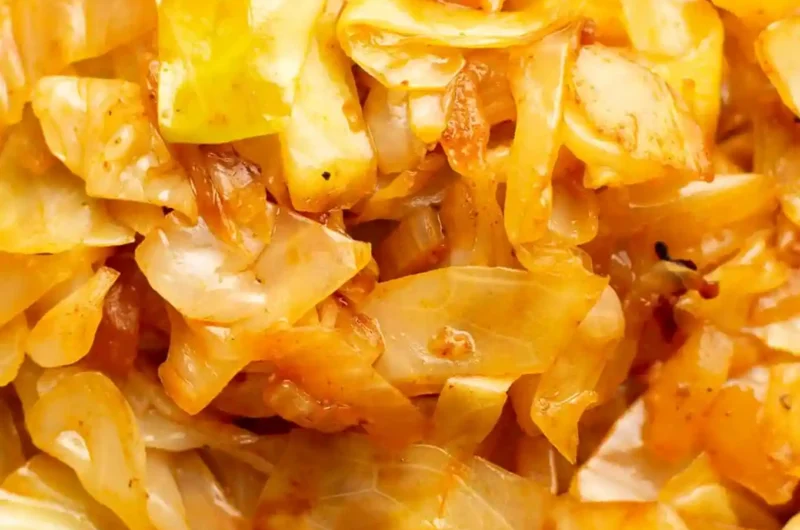
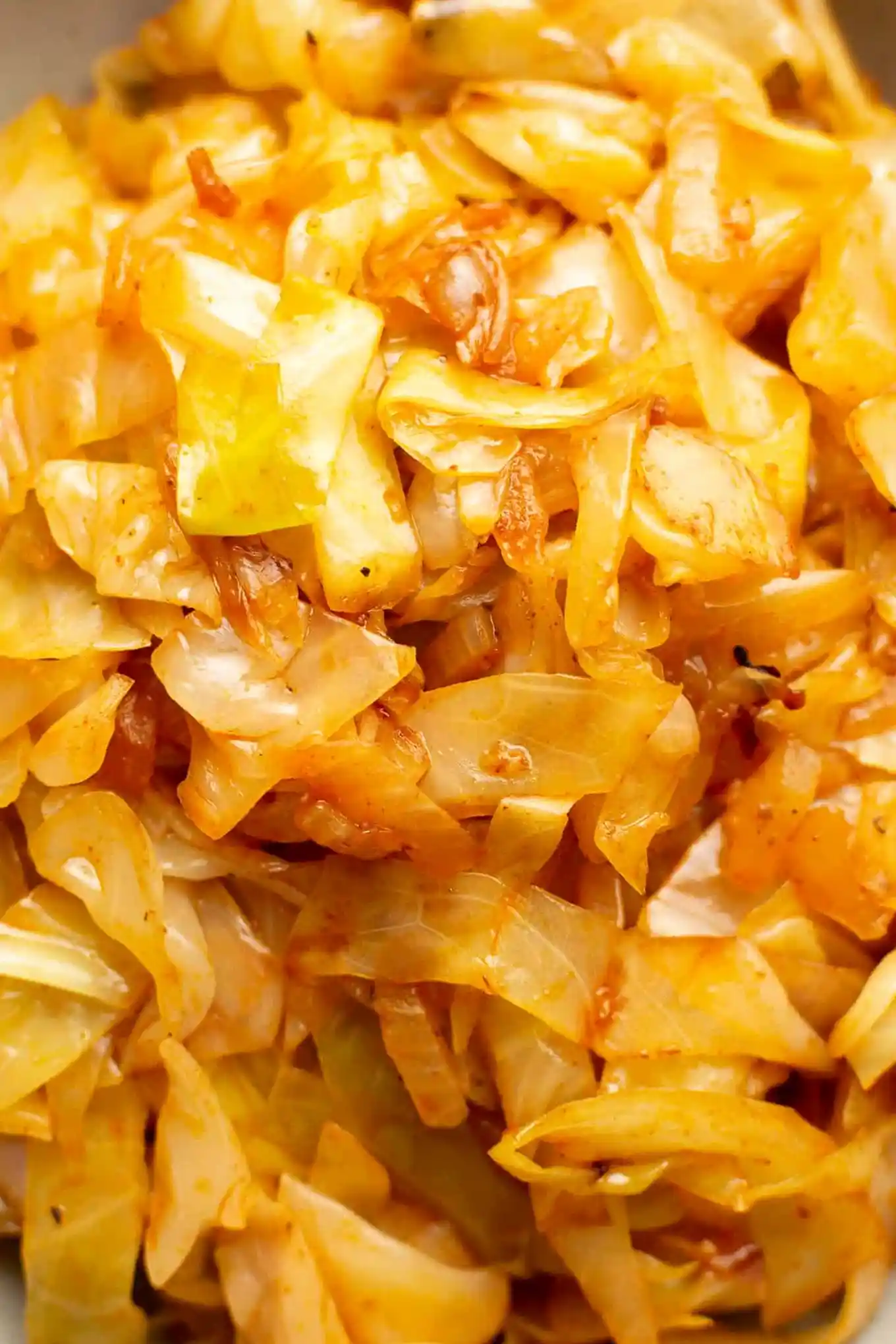
This sautéed cabbage is a nutrient-dense side dish that transforms a simple vegetable into a golden, buttery treat. It is quick to prepare and utilizes basic pantry staples to achieve a rich, savory flavor profile.
List of ingredients
- 1 medium head green cabbage (cored & sliced into thin strips) – the primary base of the dish.
- 1 medium onion (chopped) – adds a sweet, aromatic foundation.
- 2 tablespoons butter – provides richness and aids in browning.
- 1 teaspoon olive oil – prevents the butter from burning at high heat.
- 2 cloves garlic (minced) – adds a pungent, savory depth.
- 1 teaspoon smoked paprika – gives the dish its signature smoky flavor.
- Salt & pepper (to taste) – used to enhance and balance all other flavors.
step-by-step instructions
- Prepare the vegetables: Slice the cabbage into thin strips after removing the core and chop the onion into uniform pieces.
- Sauté the onion: Heat the butter and olive oil in a skillet over medium-high heat and cook the chopped onion for about 3 minutes.
- Cook the cabbage: Add the cabbage strips to the pan, stirring frequently with tongs or two spoons for 10-15 minutes until it reaches your preferred softness.
- Add aromatics: Stir in the minced garlic and smoked paprika, cooking for a few more minutes; reduce the heat if the cabbage browns too quickly.
- Final seasoning: Season the mixture with salt and pepper as needed and serve the dish immediately while hot.
Essential Cooking Techniques
Selecting the Best Cabbage Head
Choose a cabbage head that feels heavy for its size and has tight, pale green leaves. Avoid heads with visible wilting or brown spots on the outer layers. Firmness is a key indicator of freshness and will ensure a better crunch after sautéing.
Precise Slicing for Even Cooking
Use a sharp chef’s knife to cut the cabbage into thin, consistent strips. Uniform thickness ensures that all pieces cook at the same rate and brown evenly. Avoid cutting the strips too thick, as they may remain raw in the center while the edges burn.
Effective Core Removal
Cut the cabbage in half and slice out the tough, woody core from the center of each half. Removing the core prevents hard, inedible chunks from remaining in the final dish. This makes the texture of the sautéed cabbage consistent and tender.
Choosing the Right Skillet
A large cast-iron skillet or a wide stainless steel pan is ideal for this recipe. These materials distribute heat evenly and allow for superior browning of the vegetables. A wider pan prevents overcrowding, which helps the cabbage sauté rather than steam.
Flavor Enhancement Strategies
The Role of Smoked Paprika
Smoked paprika provides a deep, woody flavor that mimics the taste of slow-roasted vegetables. It adds a vibrant color to the cabbage without requiring long cooking times. Always add it toward the end of the process to prevent the spice from scorching.
Balancing Fats with Olive Oil
Combining butter with a small amount of olive oil raises the smoke point of the cooking fat. This allows you to maintain medium-high heat for browning without the butter turning brown too quickly. The result is a rich flavor with a clean, golden finish.
Timing the Garlic Addition
Add the minced garlic during the last few minutes of cooking rather than at the beginning. Garlic burns quickly at high temperatures and can become bitter if overcooked. Cooking it briefly at the end preserves its aromatic sweetness.
Adjusting Seasoning for Balance
Add salt and pepper gradually at the very end of the cooking process. Salt draws moisture out of the cabbage, and adding it too early can make the dish watery. Tasting and adjusting at the finish ensures the flavors are perfectly balanced.
Practical Ingredient Substitutions
Using Savoy Cabbage
Savoy cabbage is a great alternative if you prefer a more tender, crinkled leaf. It has a slightly nuttier flavor and a softer texture than standard green cabbage. You can follow the same cooking times, though it may soften slightly faster.
Substituting Red Cabbage
Red cabbage can be used for a more colorful presentation and a slightly earthier taste. Be aware that red cabbage may lose some of its vibrant color and turn a bluish-purple hue during the cooking process. A splash of vinegar can help preserve the red color.
Dairy-Free Butter Alternatives
Replace the butter with a high-quality plant-based butter or additional olive oil for a dairy-free version. If using oil, you may need a pinch more salt to compensate for the missing richness of the butter. The texture will remain similar, though the flavor will be lighter.
Onion Variety Options
While yellow onions are standard, Vidalia or sweet onions add a milder, sweeter note to the dish. Red onions can also be used for a sharper flavor and a different visual appeal. Ensure the onion is finely chopped for consistent integration.
Savory Add-ins and Variations
Incorporating Beef Sausage
For a heartier meal, brown sliced beef sausage in the pan before adding the onions. The rendered fats from the beef add a rich, savory dimension to the cabbage. This turns the side dish into a complete main course.
Adding Sliced Carrots
Thinly sliced carrots can be added along with the onions to introduce natural sweetness and a pop of color. Sauté them for a few minutes before adding the cabbage to ensure they are tender. This adds a nutritional boost and visual variety.
Adding Tart Apple Slices
Thinly sliced Granny Smith apples added during the last five minutes of cooking provide a bright, acidic contrast. The tartness of the apple cuts through the richness of the butter and smoked paprika. This is a traditional pairing in many Central European cuisines.
Using Caraway Seeds
A pinch of caraway seeds added with the paprika provides a distinct, anise-like flavor. This is a common addition in German-style cabbage dishes. Use them sparingly, as their flavor is very potent and can dominate the dish.
Serving Suggestions
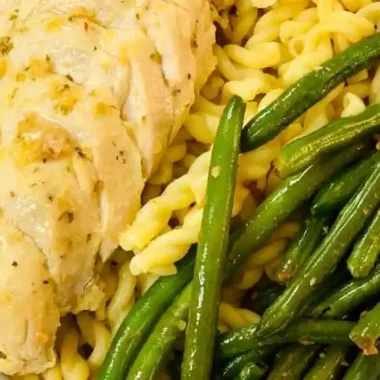
Pairing with Roasted Chicken
The smokiness of the cabbage complements the savory skin of roasted chicken thighs or breasts. Serve the cabbage as a bed for the chicken to allow the juices to soak into the vegetables. This creates a cohesive and comforting meal.
Serving with Beef Steak
Sautéed cabbage provides a light, acidic contrast to the richness of a ribeye or sirloin steak. The buttery texture of the cabbage mirrors the fats in the beef. This pairing is particularly effective when using a heavy sear on the meat.
Complementing Grilled Fish
Pair this dish with grilled salmon or cod for a lighter dinner option. The mild flavor of the cabbage does not overpower the delicate taste of the fish. A squeeze of lemon over both the fish and cabbage can brighten the entire plate.
Using as a Grain Bowl Base
Use the sautéed cabbage as a base for a nutrient-dense bowl instead of rice or quinoa. Top the cabbage with grilled protein, avocado slices, and a drizzle of tahini. This creates a low-carb alternative to traditional grain bowls.
Storage and Preservation
Proper Refrigeration Guidelines
Store leftover cabbage in an airtight glass or plastic container in the refrigerator. It will remain fresh and safe to eat for 3 to 4 days. Ensure the cabbage has cooled slightly before sealing the lid to prevent excessive condensation.
Optimal Stovetop Reheating
Reheat the cabbage in a small skillet over low to medium heat. Add a teaspoon of water or a small knob of butter to restore the moisture and richness. Stir occasionally until warmed through to avoid overcooking the vegetables.
Microwave Reheating Tips
If using a microwave, place the cabbage in a microwave-safe dish and cover it loosely with a damp paper towel. Heat in 30-second intervals, stirring in between. This method is faster but may result in a softer texture compared to the stovetop.
Why Freezing is Not Recommended
Cabbage has a high water content, which causes the cell walls to break down during the freezing and thawing process. This results in a mushy, unappealing texture once reheated. For the best quality, it is best to cook only what you need or rely on refrigeration.
Troubleshooting Common Issues
Preventing Watery Cabbage
Avoid overcrowding the pan, as this causes the cabbage to release moisture and steam rather than sear. If the pan is too full, the cabbage will boil in its own juices. Cook in batches if necessary to maintain a high surface temperature.
Fixing Burnt Garlic
If the garlic burns, it will impart a bitter taste to the entire dish. If this happens, it is best to remove the burnt bits or restart the garlic step. Always keep the heat moderate once the aromatics are added to the pan.
Achieving Better Browning
If the cabbage is not browning, increase the heat slightly and leave the cabbage undisturbed for 2-3 minutes at a time. Constant stirring prevents the vegetables from developing a caramelized crust. Allow a golden-brown sear to form before tossing.
Managing Overcrowded Pans
When the pan is too crowded, the temperature drops rapidly when the cabbage is added. To fix this, preheat the pan thoroughly and add the cabbage in smaller portions. This ensures the butter remains sizzling and the cabbage browns effectively.
Frequently Asked Questions
Can I use a slow cooker for this?
No, a slow cooker is not recommended because it steams the vegetables, preventing the browning and caramelization that give this recipe its flavor. Sautéing in a skillet is essential for the desired texture and taste.
Is this dish low carb?
Yes, this recipe is naturally low in carbohydrates, as it primarily consists of non-starchy vegetables and healthy fats. It is an excellent side dish for those following a ketogenic or low-carb dietary pattern.
How do I keep the cabbage crisp?
To keep the cabbage tender-crisp, reduce the initial cooking time from 15 minutes to about 7-10 minutes. Remove the pan from the heat as soon as the cabbage is translucent but still has a slight bite. Remember that it will continue to soften slightly as it rests.
Can I use frozen cabbage?
Frozen cabbage is not ideal for this specific recipe because it releases significantly more water than fresh cabbage. This makes it very difficult to achieve the golden-brown sear. If you must use frozen, thaw and pat it dry thoroughly before adding it to the pan.
Print
Savory Pan-Fried Cabbage with Smoked Paprika
- Total Time: 30 minutes
- Yield: 6 servings 1x
- Diet: Low Carb
Description
This sautéed cabbage recipe is an incredibly flavorful side dish that’s easy to make with a handful of everyday ingredients. It’s golden, buttery, and irresistible!
Ingredients
- 1 medium head green cabbage (cored & sliced into thin strips)
- 1 medium onion (chopped)
- 2 tablespoons butter
- 1 teaspoon olive oil
- 2 cloves garlic (minced)
- 1 teaspoon smoked paprika
- Salt & pepper (to taste)
Instructions
- Step: Prep the cabbage and chop your onion. Slice the cabbage thin (cut out the core) and chop the onion.
- Step: Add the butter and oil to a skillet over medium-high heat. Sauté the onion for 3 minutes.
- Step: Add the cabbage to the pan and toss/stir it often and let it cook until it’s just about as soft as you want it (about 10-15 minutes).
- Step: Add in the paprika and garlic. Cook it for a couple more minutes.
- Step: Season with salt & pepper as needed and serve immediately.
Notes
Serves 4-6 as a side dish. I use a ~2 lb. cabbage. I typically cook with sea salt, but I love to swap seasoning salt or Tony’s here sometimes.
- Prep Time: 10 minutes
- Cook Time: 20 minutes
- Category: Side Dish
- Method: Sautéing
- Cuisine: Central European
Nutrition
- Serving Size: 1 serving
- Calories: 87 kcal
- Sugar: 6 g
- Sodium: 62 mg
- Fat: 5 g
- Saturated Fat: 3 g
- Unsaturated Fat: 2 g
- Trans Fat: 0 g
- Carbohydrates: 11 g
- Fiber: 4 g
- Protein: 2 g
- Cholesterol: 10 mg
Keywords: sautéed cabbage, side dish, low carb, central european, smoked paprika