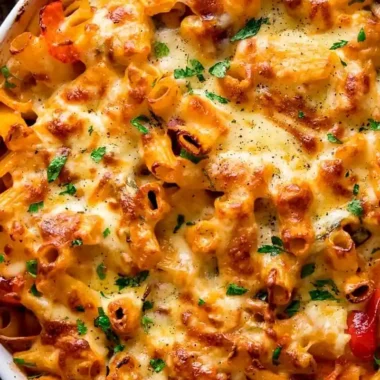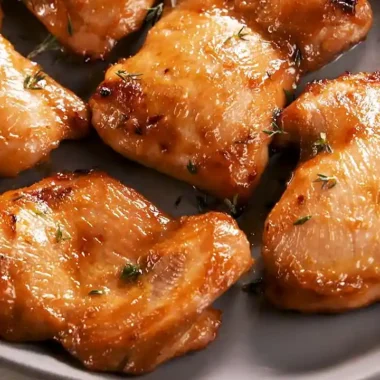
This quick Tuscan chicken marinade adds rich, Mediterranean flavors to your poultry in just a few minutes. It blends sun-dried tomatoes, fresh herbs, and Parmesan for a zesty result that works perfectly for grilling or baking.
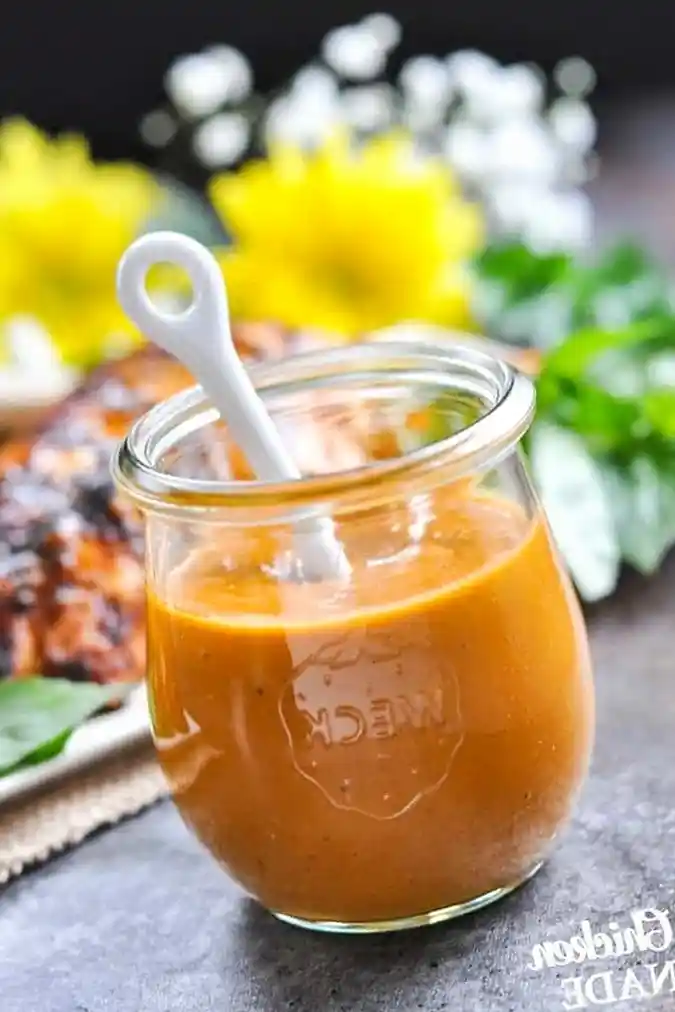
List of ingredients
- 1/4 cup sundried tomatoes packed in oil (plus 1/4 cup of the oil from the jar) – provides a concentrated tomato base.
- 1/4 cup warm water – helps thin the puree for better coverage.
- 1/4 cup red wine vinegar – adds a necessary acidic tang.
- 1 tablespoon grated Parmesan cheese (made with microbial rennet) – adds salty, nutty depth.
- 2 teaspoons Dijon mustard – acts as an emulsifier and adds sharpness.
- 2 teaspoons minced garlic – provides a pungent, savory aromatic.
- 1/4 cup loosely packed fresh basil leaves – contributes a sweet, peppery herb note.
- 1 tablespoon fresh oregano leaves – adds an earthy, traditional Italian flavor.
- 1/4 cup extra virgin olive oil – ensures the chicken stays moist during cooking.
- Salt and pepper to taste – basic seasoning for flavor balance.
- 1 lb. boneless, skinless chicken breasts – the primary protein for marinating.
step-by-step instructions
- Puree the marinade: Place all marinade ingredients except the chicken in a blender or food processor and puree until thick and completely combined.
- Prepare the chicken: Pour 3/4 cup of the finished marinade into a large zip-top bag, reserving about 1/4 cup of the marinade for serving later. Add the chicken pieces to the bag and let them marinate for at least 30 minutes, or leave them overnight for deeper flavor.
- Select your cooking method: You can grill, bake, or roast the marinated chicken. Using a grill is recommended for the best charred flavor.
- Heat the grill: Preheat your outdoor grill or an indoor grill pan over medium-high heat to ensure a good sear.
- Prep for cooking: Remove the chicken from the zip-top bag and discard the used marinade.
- Sear the meat: Place the chicken on the hot grill and let it cook without moving for about 5 minutes. Once the meat looks opaque and is cooking through, flip it and cook the other side for 3-4 minutes.
- Finish and rest: Remove the chicken from the heat when the internal temperature reaches 150-160F (65-71C). Let the meat rest for about 5 minutes before slicing to allow juices to redistribute.
Expert Cooking Tips
Use a Digital Meat Thermometer
Using a digital thermometer is the only way to ensure chicken is safe without overcooking it. Pull the meat off the heat at 150-160F because carry-over cooking will bring it to the safe 165F mark. This prevents the breast meat from becoming dry or rubbery.
Pat the Chicken Dry First
Before placing chicken in the marinade bag, pat the surface dry with paper towels. Removing excess surface moisture allows the marinade to adhere better to the meat. This creates a more concentrated flavor layer and helps with browning.
Allow the Meat to Reach Room Temperature
Take the marinated chicken out of the refrigerator about 15 to 20 minutes before grilling. Cooking meat at room temperature ensures it cooks more evenly from the edge to the center. This reduces the risk of having burnt edges and raw centers.
Ingredient Substitutions
Swap Fresh Herbs for Dried
If you do not have fresh basil or oregano, you can use dried versions. Use 1 teaspoon of dried basil for every tablespoon of fresh basil, and 1 teaspoon of dried oregano for the fresh tablespoon. Dried herbs are more concentrated, so a smaller amount is needed.
Replace Red Wine Vinegar with Apple Cider Vinegar
Apple cider vinegar is a great alternative if red wine vinegar is unavailable. It provides a similar level of acidity and tanginess to the marinade. The flavor profile will be slightly fruitier but still complements the Tuscan ingredients.
Use Pecorino Romano instead of Parmesan
Pecorino Romano is a saltier, sharper sheep’s milk cheese that works well in this recipe. If you use Pecorino, reduce the added salt in the marinade to avoid over-seasoning. Ensure the cheese you choose uses microbial rennet for dietary preferences.
Flavor Variations
Add Red Pepper Flakes for Spice
To give the chicken a spicy kick, add half a teaspoon of crushed red pepper flakes into the blender. This adds a subtle heat that cuts through the richness of the olive oil and Parmesan. It pairs exceptionally well with the sun-dried tomatoes.
Incorporate Lemon Zest for Brightness
Grating the zest of one lemon into the marinade adds a fresh, citrusy high note. This brightens the overall flavor and complements the basil and oregano. It is especially effective if you are serving the chicken with fresh summer vegetables.
Balance with a Touch of Honey
Adding one teaspoon of honey or maple syrup can balance the acidity of the vinegar. This creates a slightly sweeter glaze that caramelizes beautifully on the grill. It helps the chicken develop a deeper golden-brown color.
Serving Suggestions
Pair with Garlic Mashed Potatoes
Serve the sliced Tuscan chicken over a bed of creamy garlic mashed potatoes. The richness of the potatoes complements the zesty and acidic nature of the marinade. Drizzle some of the reserved marinade over the top for extra flavor.
Serve over Al Dente Pasta
Toss cooked linguine or fettuccine with olive oil and garlic, then place the sliced chicken on top. The flavors of the marinade blend seamlessly with the pasta. Add a few halved cherry tomatoes to the plate for added freshness.
Add to a Mediterranean Salad
Slice the grilled chicken and place it over a bed of mixed greens, cucumbers, olives, and red onions. Use the reserved 1/4 cup of marinade as a dressing for the salad. This creates a cohesive, healthy meal with a consistent flavor profile.
Storage and Preservation
Store Marinade in Glass Jars
Store any leftover marinade in an airtight glass jar in the refrigerator. Glass prevents the acidic vinegar from reacting with the container and preserves the flavor better than plastic. The marinade will remain fresh for up to one week.
Freeze Marinated Chicken
You can place the chicken and marinade in a freezer-safe bag and freeze it immediately. The meat will marinate as it thaws in the refrigerator. This is a great way to prep meals for the following week.
Fridge Life for Cooked Chicken
Cooked Tuscan chicken can be stored in an airtight container for 3 to 4 days. Keep it tightly sealed to prevent the meat from drying out. To maintain quality, store it in the coldest part of your refrigerator.
Reheating Guidelines
Warm in a Skillet with Olive Oil
The best way to reheat this chicken is in a skillet over medium heat. Add a splash of olive oil or a tablespoon of water to keep the meat moist. Heat gently until the internal temperature reaches 165F.
Use a Low-Temperature Oven
If reheating multiple pieces, place them in an oven preheated to 300F. Cover the dish with foil to trap the moisture and prevent the chicken from drying out. Heat for 10 to 15 minutes or until warmed through.
Steam Gently in a Microwave
For a quick reheat, place the chicken in a microwave-safe dish and cover it with a damp paper towel. Use the medium power setting to avoid rubberizing the protein. Heat in 30-second intervals until warm.
Make-Ahead Strategy
Prepare Marinade in Large Batches
Double or triple the marinade recipe and store the extras in the freezer in ice cube trays. Once frozen, pop the cubes into a bag for quick use. This allows you to have the flavor base ready without blending every time.
Pre-slice Chicken for Even Cooking
If you are using very thick chicken breasts, slice them horizontally into thinner cutlets before marinating. Thinner pieces marinate faster and cook more evenly on the grill. This reduces the total cooking time and prevents the outside from burning.
Vacuum Seal for Intensity
If you have a vacuum sealer, use it to marinate the chicken. Removing the air forces the marinade deeper into the muscle fibers of the meat. This results in a more intense flavor and a more tender texture.
Troubleshooting Common Issues
Prevent the Chicken from Sticking
If your chicken sticks to the grill, ensure the grill pan is fully preheated before adding the meat. Lightly oil the grates with a paper towel soaked in vegetable oil. Avoid moving the chicken too early; it will naturally release once a sear has formed.
Fix a Too-Salty Marinade
If the Parmesan and sun-dried tomatoes make the marinade too salty, add a tablespoon of warm water or a squeeze of lemon juice. The extra liquid and acid help dilute the saltiness. You can also add a pinch of sugar to balance the flavor.
Address Dry Chicken Breast
If your chicken consistently turns out dry, you may be cooking it too long. Ensure you are using the resting period, as this allows the juices to settle. Additionally, try using chicken thighs instead of breasts for a higher fat content and more moisture.
Equipment Recommendations
Using a High-Power Blender
A high-speed blender is ideal for this recipe to ensure the sun-dried tomatoes and basil are fully emulsified. This creates a smooth, thick sauce that clings to the meat. If using a food processor, pulse carefully to avoid over-processing the oil into a mayonnaise-like texture.
Selecting the Right Grill Pan
For indoor cooking, a cast-iron grill pan is the best choice. Cast iron retains heat exceptionally well, which is necessary for achieving those professional-looking sear marks. Ensure the pan is seasoned to prevent the chicken from sticking.
Choosing the Best Storage Bags
Use heavy-duty, freezer-grade zip-top bags for marinating. These are thicker and less likely to leak or puncture when you are massaging the marinade into the meat. They also withstand the temperature changes from the freezer to the fridge.
Understanding Poultry Choice
Using Chicken Thighs instead of Breasts
Boneless, skinless chicken thighs are a great alternative to breasts for this recipe. Thighs are more forgiving and stay juicy even if they are slightly overcooked. They also absorb the bold Tuscan flavors very effectively due to their higher fat content.
Standardizing Chicken Thickness
Use a meat mallet to pound the thickest part of the chicken breast to match the thinner end. This ensures the entire piece of meat cooks at the same rate. This eliminates the common problem of dry ends and raw centers.
Avoid Using Frozen Chicken
Always thaw chicken completely in the refrigerator before adding it to the marinade. Marinating frozen meat is ineffective because the marinade cannot penetrate the frozen tissues. Thawing properly also prevents the growth of bacteria during the marinating process.
Temperature Control
Managing Grill Heat Zones
Set up your grill with a hot zone and a cooler zone. Start the chicken on the high heat to get a good sear, then move it to the cooler side to finish cooking. This method prevents the outside from burning while the inside reaches the target temperature.
The Importance of the Resting Phase
Resting the meat for 5 minutes is critical for juiciness. During the cooking process, the juices are pushed toward the center of the meat. Resting allows them to flow back toward the edges, ensuring every bite is moist.
Targeting the Ideal Internal Temp
Targeting 150-160F for removal is key because the temperature continues to rise after the meat is removed from the heat. This is known as carry-over cooking. If you wait until 165F on the grill, the meat will likely end up at 170F or higher, which leads to dryness.
Frequently Asked Questions
How long can I marinate the chicken?
The minimum marinating time is 30 minutes, but 2 to 6 hours is ideal. Do not exceed 24 hours, as the acid in the vinegar can begin to break down the meat fibers too much, resulting in a mushy texture.
Can I use this marinade as a sauce?
Yes, you can use the reserved 1/4 cup of marinade as a finishing sauce. However, since it contains raw garlic and fresh herbs, you may want to simmer it in a small pan for a few minutes before serving it over the cooked chicken.
Is this marinade suitable for oven-roasting?
Yes, you can roast the marinated chicken in the oven at 400F. Place the chicken on a baking rack over a sheet pan to allow air to circulate. Bake for 20-25 minutes or until the internal temperature reaches the desired level.
Can I freeze the marinade without the chicken?
You can freeze the marinade in an airtight container for up to 3 months. Thaw it in the refrigerator overnight before using it on fresh chicken. The flavors remain stable and potent after freezing.
What other meats work with this marinade?
This Tuscan blend works exceptionally well with pork tenderloin or shrimp. For shrimp, reduce the marinating time to 15-30 minutes to prevent the acid from cooking the shellfish. For pork, marinate for at least 4 hours.
Print
Savory Tuscan-Style Chicken Marinade
- Total Time: 15 minutes
- Yield: 1 cup 1x
- Diet: General
Description
In just 5 minutes you can mix up this rich and flavorful Tuscan Chicken Marinade! A simple blend of sundried tomatoes, garlic, fresh herbs, and Parmesan cheese creates a zesty sauce that will completely transform your dinner!
Ingredients
- ¼ cup sundried tomatoes packed in oil (plus ¼ cup of the oil from the jar)
- ¼ cup warm water
- ¼ cup red wine vinegar
- 1 tablespoon grated microbial-rennet Parmesan cheese
- 2 teaspoons Dijon mustard
- 2 teaspoons minced garlic
- ¼ cup loosely packed fresh basil leaves
- 1 tablespoon fresh oregano leaves
- ¼ cup extra virgin olive oil
- Salt and pepper to taste
- 1 lb boneless, skinless chicken breasts
Instructions
- Puree: Place all marinade ingredients in a blender or food processor and puree until thick and completely combined.
- Marinate: Pour ¾ cup of the marinade into a large zip-top bag. Reserve about ¼ cup of marinade for serving. Add chicken pieces to the bag and marinate for at least 30 minutes (or overnight).
- Heat: Preheat a grill or indoor grill pan over medium-high heat.
- Cook: Remove the chicken from the bag and discard the marinade. Place chicken on the hot grill and allow to cook (without moving) for about 5 minutes. Flip the meat over and cook on the other side for another 3-4 minutes until internal temperature is between 150-160F (65-71C).
- Rest: Allow the meat to rest for about 5 minutes before slicing.
Notes
This marinade can be prepared in advance and stored in an airtight container in the refrigerator for up to one week. Extra marinade can be used as a salad dressing or on sandwiches. You can also grill, bake, or roast the chicken according to your preference.
- Prep Time: 5 minutes
- Cook Time: 10 minutes
- Category: Dinner
- Method: Grilling
- Cuisine: Italian
Nutrition
- Serving Size: 1 tablespoon
- Calories: 66.9 kcal
- Sugar: 0.5 g
- Sodium: 25.5 mg
- Fat: 7.3 g
- Saturated Fat: 1.1 g
- Unsaturated Fat: 6.2 g
- Trans Fat: 0 g
- Carbohydrates: 0.6 g
- Fiber: 0.1 g
- Protein: 0.3 g
- Cholesterol: 0.2 mg
Keywords: chicken marinade, Italian Chicken, Tuscan Chicken