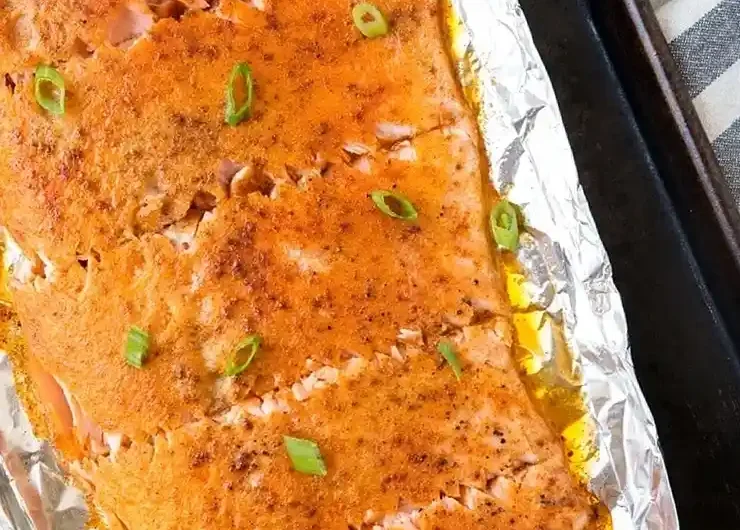
This method for hot smoking salmon delivers a flaky, tender result without the need for time-consuming curing or brining. It is a practical approach for achieving a professional smoky flavor in a fraction of the time.
List of ingredients
- 1 large salmon fillet (2 to 4 pounds, pin bones removed)
- 1 to 2 Tbsp avocado oil – used as needed to keep the fish moist.
- 2 tsp garlic powder – adds a consistent savory depth.
- 2 tsp paprika – provides an earthy flavor and rich color.
- 1 tsp sea salt – used to taste for flavor enhancement.
- Black pepper – provides a mild spicy contrast.
- Lemons – used for fresh acidity when serving.
step-by-step instructions
- Preheat Smoker: Set your smoker to 225 degrees Fahrenheit to ensure a stable cooking environment.
- Prepare Foil: Place a long sheet of foil on a large baking sheet, ensuring it is a couple of inches longer than the salmon fillet.
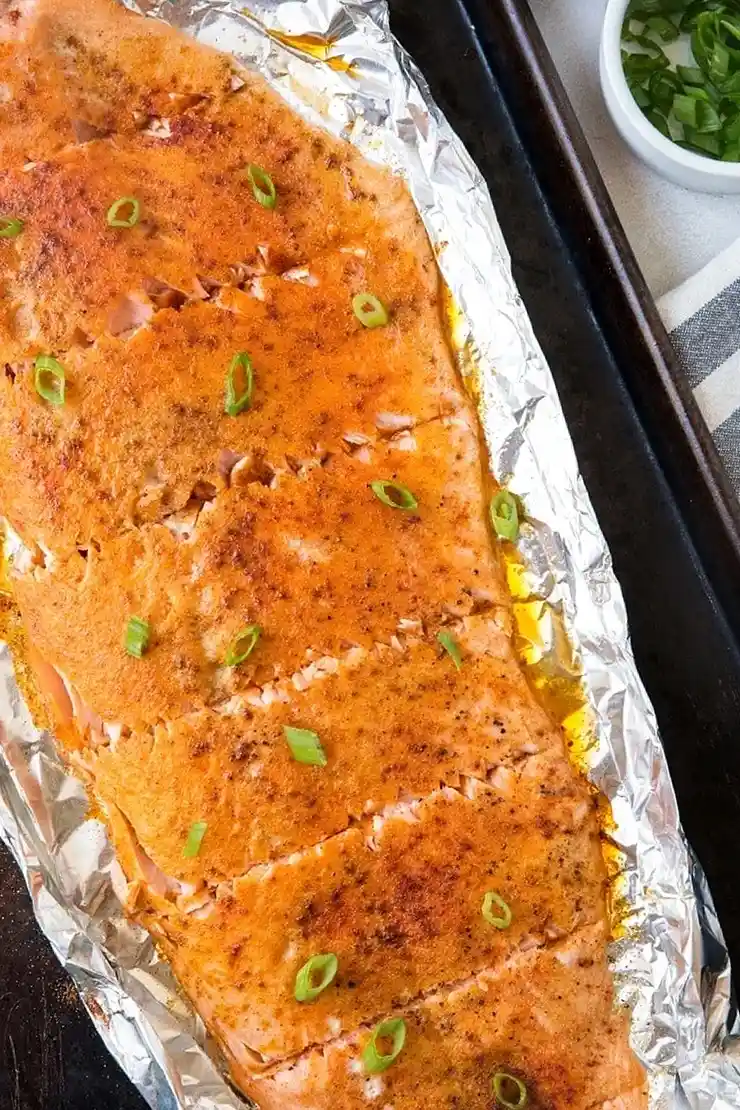
- Prep the Fish: Pat the salmon completely dry with a paper towel. Place the fillet on the foil and fold the sides up to create a secure boat.
- Apply Seasoning: Evenly sprinkle the salmon with sea salt, garlic powder, paprika, and black pepper.
- Smoke the Salmon: Transfer the foil boat to the preheated smoker and close the lid. Smoke for 30 to 60 minutes.
- Monitor Temperature: Use a meat thermometer to check the internal temperature after 30 minutes. Aim for 145 degrees F.
- Manage Pull Temperature: Remove the salmon when it reaches 140 to 143 degrees F, as the internal temperature will continue to rise while resting.
- Rest and Serve: Allow the fish to rest for 10 to 15 minutes before slicing into portions.
Detailed Ingredient Breakdown
The Role of Avocado Oil
Avocado oil is chosen for its high smoke point and neutral flavor. It creates a protective barrier on the fish, preventing the exterior from drying out during the hour-long smoking process.
Benefits of Garlic Powder
Using powder instead of fresh garlic ensures an even distribution of flavor across the entire surface. It adheres better to the oil and does not burn at 225 degrees Fahrenheit.
Paprika for Color and Taste
Paprika contributes a mild sweetness and a vibrant reddish-orange hue. This makes the final presentation more appealing and complements the natural color of the salmon.
Sea Salt for Seasoning
Sea salt is used to draw out a small amount of moisture and enhance the natural flavors of the fish. It helps the other spices adhere to the fillet more effectively.
Black Pepper for Heat
Freshly ground black pepper adds a subtle heat that cuts through the richness of the salmon fats. It provides a balanced flavor profile that prevents the dish from tasting too one-dimensional.
Choosing the Best Salmon
Atlantic Salmon
Atlantic salmon is widely available and possesses a high fat content. This variety is ideal for smoking because the fat keeps the meat buttery and moist even if cooked slightly too long.
King Salmon
Also known as Chinook, King salmon has the highest oil content of all the species. It produces the most tender and flavorful result, making it a premium choice for hot smoking.
Sockeye Salmon
Sockeye is a leaner fish with a more intense, bold flavor and a deep red color. Because it lacks the fat of King salmon, it is crucial to use the oil coating to prevent dryness.
Coho Salmon
Coho salmon offers a milder flavor and a medium fat content. It is a great middle-ground option that takes on smoke flavors very well without becoming overwhelming.
Fresh versus Frozen Salmon
Fresh salmon generally maintains a better texture and structure during the smoking process. If using frozen fillets, thaw them completely in the refrigerator to ensure even heat penetration.
Smoker Setup and Temperature Management
Maintaining 225 Degrees Fahrenheit
Keeping the smoker at 225 degrees ensures the fish cooks gently. If the temperature rises too high, the proteins will contract too quickly, pushing out the natural oils and leaving the fish dry.
Using a Foil Boat
The foil boat prevents the salmon from sticking to the grill grates and catches rendered fats. This prevents flare-ups and keeps the bottom of the fillet from overcooking via direct contact with the grate.
Selecting the Right Wood Chips
Fruitwoods like apple or cherry provide a sweet, mild smoke that pairs well with fish. Hardwoods like hickory or oak offer a stronger profile that is better suited for larger fillets.
Airflow and Smoke Density
Proper ventilation is key to avoiding a bitter taste. Ensure your smoker is venting correctly so that the smoke flows over the fish rather than stagnating around it.
Cooking Precision and Safety
Using an Instant-Read Thermometer
Visual cues are unreliable when smoking fish. An instant-read thermometer is the only way to ensure the salmon reaches the safe FDA temperature of 145 degrees F without overshooting it.
Understanding Carryover Cooking
Salmon continues to cook after being removed from the heat source. Pulling the fish at 140-143 degrees F allows the temperature to glide up to 145 degrees F during the resting phase.
Identifying Overcooked Salmon
White albumin proteins appearing on the surface are a sign that the salmon is overcooking. While safe to eat, this indicates the internal temperature has likely exceeded the ideal range.
Removing Pin Bones
Use a pair of clean tweezers to pull pin bones in the direction they are pointing. Removing these before smoking ensures a better dining experience for your guests.
Serving Ideas and Pairings
Traditional Bagel Spread
Serve slices of smoked salmon on toasted bagels with a thick layer of cream cheese. Add capers, thinly sliced red onions, and fresh dill for a classic presentation.
Fresh Citrus Salad
Pair the salmon with a bed of baby arugula or spinach. Use a lemon-olive oil vinaigrette to complement the smoky notes of the fish.
Grain Bowl Integration
Flake the smoked salmon over a bowl of cooked quinoa or wild rice. Add steamed broccoli, avocado slices, and a drizzle of tahini for a nutrient-dense meal.
Creamy Pasta Pairing
Gently fold pieces of the smoked salmon into a lemon-garlic cream sauce. Serve over fettuccine or penne for a rich and satisfying dinner.
Storage and Reheating
Refrigeration Guidelines
Store leftover smoked salmon in an airtight container in the refrigerator. It will remain fresh and safe to eat for 3 to 4 days.
Freezing for Longevity
For long-term storage, vacuum seal the salmon to prevent freezer burn. Frozen smoked salmon can be kept for several months and should be thawed slowly in the fridge.
Gentle Reheating Methods
To avoid drying out the fish, reheat small portions in a low oven at 250 degrees F until just warm. Alternatively, serve it cold or at room temperature to preserve the texture.
Preventing Odor Transfer
Because smoked salmon has a strong aroma, always use glass or high-quality plastic containers. This prevents the scent from leaching into other foods in the refrigerator.
Troubleshooting Common Issues
The Salmon is Too Dry
Dryness usually occurs if the internal temperature exceeds 145 degrees F. Check the temperature more frequently after the 30-minute mark to catch the peak exactly.
The Smoke Flavor is Too Strong
If the fish tastes bitter, you may have used too many wood chips or had poor ventilation. Reduce the amount of wood or increase the airflow during the next cook.
The Fillet is Sticking to Foil
Sticking happens if the fish wasn’t sufficiently oiled or if the foil is too thin. Use a bit more avocado oil on the foil surface before placing the salmon down.
Uneven Cooking Across the Fillet
Salmon fillets often taper in thickness. If one end cooks faster, you can slightly shift the fillet’s position in the smoker to account for heat zones.
Frequently Asked Questions
Do I need to brine the salmon first?
No, this specific recipe is a hot-smoke method that does not require brining. Brining is typically used for cold-smoked salmon to change the texture and preserve it.
Can I use a grill instead of a dedicated smoker?
Yes, you can use a grill by setting up an indirect heat zone. Use a smoker box filled with wood chips on the hot side and place the salmon on the cool side.
Is it better to leave the skin on?
Leaving the skin on helps protect the flesh from direct heat and holds the fillet together. The skin can be easily removed after the fish has rested and cooled slightly.
Can I substitute avocado oil with olive oil?
You can use olive oil, but avocado oil is preferred because of its higher smoke point. This ensures the oil doesn’t break down or smoke independently of the wood chips.
How do I know if the salmon is done without a thermometer?
The flesh should flake easily with a fork and change from translucent to an opaque pink. However, a thermometer is highly recommended for accuracy and safety.
Can I use this method in a conventional oven?
You can bake the salmon at 225 degrees F, but you will lose the smoky flavor. To mimic it, you could use a drop of liquid smoke in the oil coating.
Print
Simple Hot Smoked Salmon Guide
- Total Time: 70 minutes
- Yield: 6 servings 1x
- Diet: Pescatarian
Description
This simple approach to Smoked Salmon results in amazingly flavorful salmon with perfect texture. Serve it up with your choice of sides for a family favorite year round!
Ingredients
- 1 large salmon fillet (2 to 4 pounds, pin bones removed)
- 1 to 2 Tbsp avocado oil, as needed
- 2 tsp garlic powder
- 2 tsp paprika
- 1 tsp sea salt, to taste
- Black pepper, to taste
- Lemons for serving
Instructions
- Step 1: Preheat your smoker to 225 degrees Fahrenheit.
- Step 2: Place a long sheet of foil (a couple of inches longer than your fillet) on a large baking sheet.
- Step 3: Pat the salmon dry with a paper towel and place it on the sheet of foil. Fold up the sides of the foil around the salmon, creating a sort of boat.
- Step 4: Sprinkle salmon with sea salt, garlic powder, paprika, and black pepper.
- Step 5: Transfer the salmon to the preheated smoker and close the lid. Smoke for 30 to 60 minutes, or until the salmon reaches an internal temperature of 145 degrees F.
- Step 6: Allow the salmon to rest 10 to 15 minutes before slicing and serving.
Notes
The salmon will continue cooking after it is taken off of the smoker, so you can pull it off around 140 to 143 degrees F and it will raise temperature while resting.
- Prep Time: 10 minutes
- Cook Time: 60 minutes
- Category: Main Dishes
- Method: Smoking
- Cuisine: American
Nutrition
- Serving Size: 1 serving
- Calories: 338 kcal
- Sugar: 1 g
- Sodium: 610 mg
- Fat: 20 g
- Saturated Fat: 4 g
- Unsaturated Fat: 16 g
- Trans Fat: 0 g
- Carbohydrates: 3 g
- Fiber: 1 g
- Protein: 38 g
- Cholesterol: 85 mg
Keywords: smoked salmon, easy salmon recipe, hot smoked salmon, smoker recipes, American cuisine