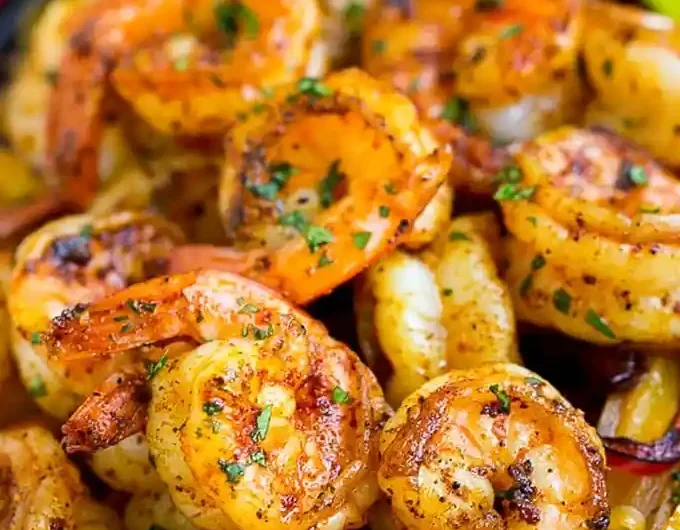
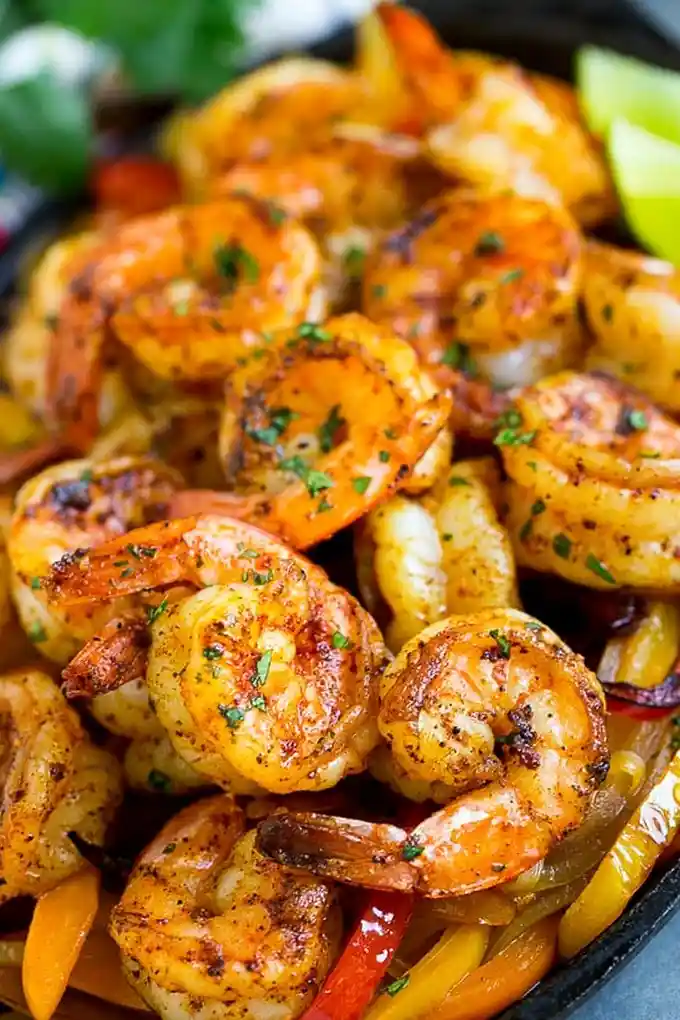
Prepare these fast-cooking shrimp fajitas for a nutritious and flavorful meal. This dish combines seared seafood with charred vegetables for a classic restaurant-style experience at home.
List of ingredients
- 1 tablespoon vegetable oil – used for sautéing vegetables and shrimp.
- 2 cups sliced bell peppers – use a mix of red, orange, and yellow for color and sweetness.
- 1 onion – thinly sliced for even cooking.
- 2 teaspoons chili powder – provides the base Mexican flavor.
- 1/2 teaspoon ground cumin – adds an earthy depth.
- 1/4 teaspoon garlic powder – provides a concentrated savory note.
- 1/4 teaspoon onion powder – enhances the aromatic profile.
- 1/2 teaspoon smoked paprika – adds a subtle woody, smoky taste.
- 2 tablespoons chopped cilantro – used for a fresh finish.
- 1 pound large shrimp – peeled and deveined, with tails removed if preferred.
- Lime wedges – optional for adding acidity before serving.
- Flour tortillas and fajita toppings – according to your preference.
- Salt and pepper – to taste for seasoning.
step-by-step instructions
- Sauté Vegetables: Heat the vegetable oil in a large pan over high heat. Add the sliced peppers and onion, stirring occasionally until they are tender and have charred edges. Season with salt and pepper.
- Mix Spices: In a small separate bowl, combine the chili powder, ground cumin, garlic powder, onion powder, and smoked paprika. Add salt and pepper to taste.
- Combine Ingredients: Add the shrimp to the pan with the vegetables. Sprinkle the prepared seasoning blend evenly over the shrimp and vegetables, then stir to coat everything thoroughly.
- Cook Shrimp: Cook for 4 to 5 minutes. Continue stirring until the shrimp turn pink and become opaque.
- Finish and Serve: Sprinkle chopped cilantro over the mixture. Garnish with lime wedges if desired. Serve alongside warm flour tortillas and your chosen toppings.
Expert Cooking Tips for Perfect Fajitas
Dry the Shrimp Thoroughly
Use paper towels to pat the shrimp completely dry before adding them to the pan. Excess moisture creates steam, which prevents the shrimp from searing and developing a browned crust. Dry shrimp cook faster and maintain a better texture.
Use a High Smoke Point Oil
Since this recipe requires high heat, vegetable oil is a practical choice. Alternatively, avocado oil or grapeseed oil works well because they do not burn at high temperatures. Avoid using extra virgin olive oil, as it may smoke and impart a bitter taste.
Avoid Overcrowding the Pan
If your pan is too small, the vegetables and shrimp will release moisture and boil instead of searing. Cook in batches if necessary to ensure there is enough space between the pieces. This allows the edges to char properly for the authentic fajita flavor.
Monitor Shrimp Color Carefully
Shrimp cook very quickly and can become rubbery if overdone. Remove them from the heat as soon as they curl into a ‘C’ shape and appear opaque. If they curl tightly into an ‘O’ shape, they are likely overcooked.
Ingredient Substitutions and Alternatives
Alternative Pepper Varieties
While red, orange, and yellow peppers are sweet, green bell peppers provide a more bitter, traditional flavor. For those who prefer a spicy kick, add sliced jalapeños or poblano peppers. Poblano peppers add a mild heat and a rich, earthy flavor profile.
Tortilla Options
Flour tortillas are standard for their softness and flexibility. For a gluten-free alternative, use corn tortillas. Briefly warm corn tortillas on a dry skillet to make them pliable and prevent them from cracking.
Substituting the Oil
If you do not have vegetable oil, any neutral oil will work. Refined coconut oil is another option, though it may add a very slight sweetness to the dish. Ensure the oil is shimmering before adding the vegetables.
Low-Sodium Seasoning Adjustments
To reduce salt, omit the added salt in the spice blend and use a low-sodium seasoning. Increase the amount of smoked paprika or cumin to compensate for the loss of flavor. Fresh lime juice also enhances the taste without adding sodium.
Flavor Variations to Try
Adding Heat and Spice
Incorporate minced habaneros or a pinch of cayenne pepper into the spice blend for significant heat. Red pepper flakes added during the sautéing process also provide a sharp spice. Adjust the amount based on your tolerance level.
Creamy Complementary Flavors
Serve the fajitas with a side of Greek yogurt as a healthier substitute for sour cream. A dollop of mashed avocado or a smooth guacamole adds a creamy texture that balances the acidity of the lime. These additions provide a cooling contrast to the spices.
Smoky Depth Enhancements
Increase the smoked paprika to a full teaspoon for a more pronounced wood-fired taste. You can also add a teaspoon of chipotle powder for a combination of smoke and heat. This mimics the flavor of fajitas cooked over an open flame.
Assembly and Serving Suggestions
Topping Combinations
Offer a variety of textures with shredded lettuce, diced tomatoes, and sliced red onions. Shredded Monterey Jack or sharp cheddar cheese adds a salty richness. For extra zest, include pickled jalapeños or pickled red onions.
Serving as Fajita Bowls
For a lower-carb option, skip the tortillas and serve the shrimp and vegetables over a bed of brown rice or quinoa. Add black beans and corn to create a complete meal bowl. This method keeps the ingredients fresh and easy to eat.
Complementary Side Dishes
Serve these fajitas with a side of Mexican-style street corn (elote) or a simple cilantro-lime rice. A side of black beans simmered with garlic and onion complements the shrimp well. A fresh cucumber salad can provide a refreshing palate cleanser.
Storage and Reheating Guide
Refrigerator Storage
Place leftover shrimp and vegetables in an airtight container and store them in the refrigerator. They will remain fresh for up to three days. Store the tortillas separately in a sealed plastic bag to prevent them from drying out.
Freezing Instructions
Cooked shrimp can be frozen, although the texture may change slightly upon thawing. Freeze the shrimp and vegetable mixture in a freezer-safe bag with the air pressed out. They can be stored for up to two months.
Best Reheating Methods
To reheat, use a skillet over medium heat with a teaspoon of water or oil to prevent sticking. Avoid using the microwave for long periods, as this can make the shrimp rubbery. Heat just until warmed through to maintain the seafood’s texture.
Preparation and Make-Ahead Advice
Prepping Vegetables in Advance
Slice the onions and bell peppers several hours before cooking and store them in a container. This reduces the active prep time during the dinner rush. Keep them chilled until the moment you are ready to sauté.
Pre-mixing the Seasoning
The spice blend can be made in larger quantities and stored in a jar. This creates a convenient ‘shrimp fajita seasoning’ for future use. Store the mixture in a cool, dark place to preserve the potency of the spices.
Handling Frozen Shrimp
If using frozen shrimp, thaw them completely in the refrigerator overnight. Alternatively, place them in a colander under cool running water for 15 minutes. Always pat them dry before seasoning to ensure a proper sear.
Common Troubleshooting
Preventing Watery Vegetables
If the vegetables release too much liquid, the heat is likely too low. Increase the temperature to high and allow the liquid to evaporate. Avoid stirring too frequently, as this prevents the vegetables from browning.
Fixing Bland Flavor
If the dish tastes bland, add a squeeze of fresh lime juice or an extra pinch of salt. Acidity from lime awakens the other spices and enhances the natural sweetness of the shrimp. Ensure your spices are fresh and not expired.
Managing Overcooked Shrimp
If the shrimp become rubbery, they have been cooked too long. To prevent this, add the shrimp only after the vegetables are fully charred. Keep the cooking time strictly between 4 and 5 minutes.
Frequently Asked Questions
Can I use frozen shrimp?
Yes, frozen shrimp work well as long as they are completely thawed and patted dry. Avoid cooking them directly from frozen, as this will release too much water and steam the vegetables.
Can I make this in the oven?
Yes, you can use a sheet pan. Toss the shrimp, peppers, and onions with oil and seasonings, then spread them in a single layer. Bake at 400 degrees Fahrenheit (200 Celsius) for 10 to 12 minutes until the shrimp are cooked through.
How long do the cooked fajitas stay fresh?
Cooked shrimp fajitas stay fresh in the refrigerator for up to three days. Ensure the container is airtight to prevent the shrimp from absorbing other odors in the fridge.
What is the best type of shrimp for this recipe?
Large or jumbo shrimp (16/20 or 21/25 count) are ideal. They have enough surface area to hold the seasoning and do not overcook as quickly as smaller shrimp.
Can I use a different protein?
While this is a shrimp recipe, the same seasoning and vegetable base work for steak or chicken. Note that chicken and beef require longer cooking times than shrimp.
Print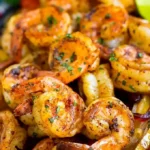
Sizzling Shrimp Fajitas
- Total Time: 25 minutes
- Yield: 4 servings 1x
- Diet: General
Description
These shrimp fajitas are tender Mexican seasoned shrimp cooked in a skillet with plenty of peppers and onions. An easy dinner that’s just as good as what you’d get at a restaurant!
Ingredients
- 1 tablespoon vegetable oil
- 2 cups sliced bell peppers (red, orange, yellow or a combination)
- 1 onion (thinly sliced)
- 2 teaspoons chili powder
- 1/2 teaspoon ground cumin
- 1/4 teaspoon garlic powder
- 1/4 teaspoon onion powder
- 1/2 teaspoon smoked paprika
- 2 tablespoons chopped cilantro
- 1 pound large shrimp (peeled and deveined, tails removed if desired)
- lime wedges for serving (optional)
- flour tortillas and fajita toppings of your choice
- salt and pepper to taste
Instructions
- Step 1: Heat the oil in a large pan over high heat. Add the peppers and onion to the pan and cook, stirring occasionally, until vegetables are tender and charred on the edges. Season the vegetables with salt and pepper.
- Step 2: In a small bowl, mix together the chili powder, cumin, garlic powder, onion powder, smoked paprika, and salt and pepper to taste.
- Step 3: Add the shrimp to the pan and sprinkle the seasoning blend over the shrimp and vegetables. Stir to combine.
- Step 4: Cook for 4-5 minutes or until shrimp are pink and opaque.
- Step 5: Sprinkle the cilantro over the top and serve. Garnish with lime wedges if desired. Serve the flour tortillas and toppings on the side and have everyone assemble their own fajitas.
Notes
For a spicy twist, add minced jalapeno. You can also substitute bell peppers with poblano peppers. If preferred, these can be made in the oven by spreading ingredients on a sheet pan and baking until done.
- Prep Time: 10 minutes
- Cook Time: 15 minutes
- Category: Main
- Method: Sautéing
- Cuisine: Mexican
Nutrition
- Serving Size: 1 serving
- Calories: 183 kcal
- Sugar: 4 g
- Sodium: 902 mg
- Fat: 5 g
- Saturated Fat: 3 g
- Unsaturated Fat: 2 g
- Trans Fat: 0 g
- Carbohydrates: 8 g
- Fiber: 2 g
- Protein: 24 g
- Cholesterol: 285 mg
Keywords: shrimp fajitas, Mexican dinner, skillet shrimp, easy meal