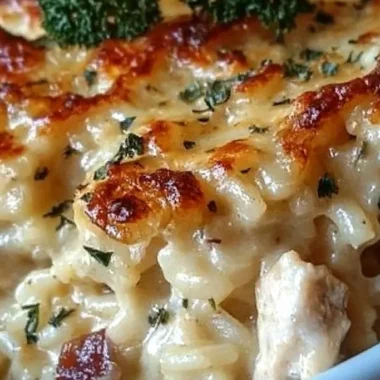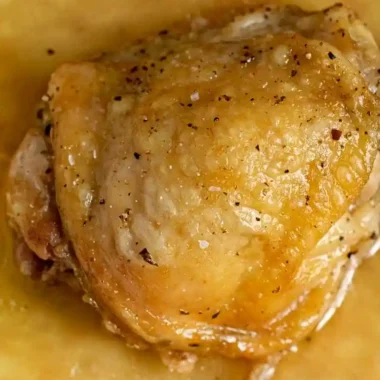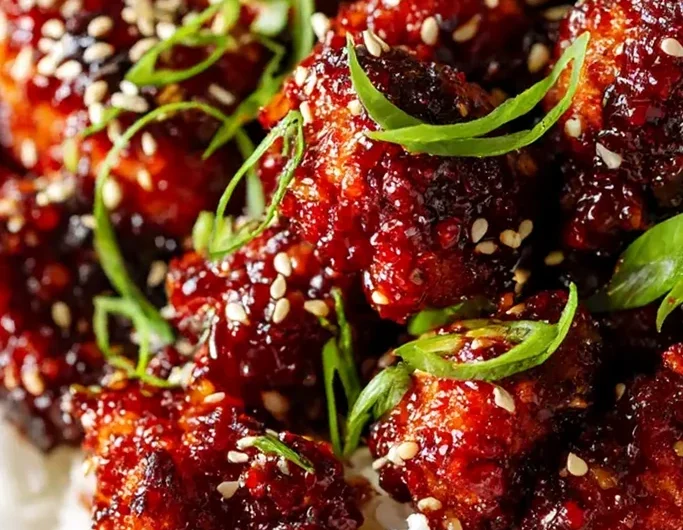
Prepare a restaurant-quality meal at home with this quick one-pan spicy chicken dish. This recipe combines savory umami and sweet heat for a satisfying dinner that pairs perfectly with steamed rice.
List of ingredients
- 1.5 lbs boneless skinless chicken thighs – cut into 1-inch bite-sized pieces for even cooking.
- 3 tbsp cornstarch – used to create a crispy exterior that grips the sauce.
- 1 tbsp neutral oil – canola or avocado oil works best for high-heat searing.
- 1/2 tsp kosher salt – to enhance the natural flavor of the chicken.
- 1/4 tsp black pepper – for a subtle hint of warmth.
- 3 tbsp gochujang – fermented Korean chili paste for heat and depth.
- 2 tbsp soy sauce – provides essential saltiness and umami.
- 2 tbsp honey or brown sugar – ensures a sticky, caramelized glaze.
- 1 tbsp rice vinegar – adds necessary acidity to balance the richness.
- 3 cloves garlic – minced finely to distribute aroma throughout the sauce.
- 1 tsp fresh ginger – grated to add a sharp, zesty undertone.
- 1 tbsp toasted sesame oil – for a rich, nutty finish.
- 1/4 cup water – thins the sauce initially for even coating.
- 2 cups fluffy white steamed rice – the ideal neutral base for serving.
- 1 tbsp toasted white sesame seeds – for added texture and visual appeal.
- 2 stalks green scallions – freshly sliced for a crisp, oniony contrast.
step-by-step instructions
- Prepare the Chicken: Pat the bite-sized chicken pieces completely dry with paper towels. Toss them in a bowl with salt, black pepper, and cornstarch until every piece has a dry, powdery coating.
- Sear the Meat: Heat neutral oil in a large skillet over medium-high heat until shimmering. Add the chicken in a single layer, searing undisturbed for 4-5 minutes until a deep golden-brown crust forms.
- Mix the Glaze: In a small bowl, whisk together gochujang, soy sauce, honey, rice vinegar, minced garlic, grated ginger, sesame oil, and water. Stir until the paste is fully dissolved into a smooth liquid.
- Thicken the Sauce: Lower the heat to medium and pour the sauce over the seared chicken. Stir continuously for 2-3 minutes as the sauce bubbles and reduces into a thick, glossy coating.
- Plate and Garnish: Remove from heat once the sauce is sticky. Spoon the chicken over steamed white rice and garnish with toasted sesame seeds and sliced scallions.
Pro Techniques for Better Results
Removing Surface Moisture
Using paper towels to dry the chicken is critical for a successful sear. Excess water on the meat creates steam, which prevents the cornstarch from crisping and stops the chicken from browning. Dry meat ensures the oil can instantly caramelize the exterior.
Managing Pan Temperature
Wait for the oil to shimmer before adding the chicken to the pan. If the oil is not hot enough, the cornstarch will absorb the fat and become greasy rather than crispy. A high initial temperature creates the necessary crust that holds onto the sauce.
Avoiding Pan Overcrowding
Adding too much chicken at once lowers the skillet temperature rapidly. This causes the meat to release juices and boil in its own liquid rather than searing. Cook the chicken in two separate batches if your pan is not large enough to maintain space between pieces.
Controlling the Sugar Reduction
Honey and brown sugar can burn quickly if the heat is too high during the glazing phase. Always lower the temperature to medium before adding the sauce. This allows the liquid to reduce slowly, creating a glossy sheen without scorching the sugars.
Optimizing the Cornstarch Layer
Ensure the cornstarch coating is thin and even across all pieces. Too much powder can lead to a gummy texture, while too little will result in a less sticky sauce. A light, powdery dusting is all that is required for the perfect texture.
Customizing Your Ingredients
Using Chicken Breast Instead of Thighs
You can use boneless skinless chicken breasts if you prefer leaner meat. Be mindful that breasts cook faster and can dry out more easily than thighs. Reduce the searing time by one minute to maintain juiciness.
Gluten-Free Sauce Alternatives
Traditional soy sauce and some gochujang brands contain wheat. To make this recipe gluten-free, substitute the soy sauce with tamari or coconut aminos. Ensure the gochujang paste you purchase is certified gluten-free.
Swapping the Sweetener
If you do not have honey, brown sugar is an excellent substitute for that deep molasses flavor. Maple syrup can also be used for a slightly different sweetness. Maintain the same measurement of 2 tablespoons to keep the sauce consistency correct.
Adjusting the Spice Level
To reduce the heat, use 2 tablespoons of gochujang and add a tablespoon of tomato paste. For extra spice, add a pinch of crushed red pepper flakes or a teaspoon of sriracha to the sauce mixture. The honey helps balance the heat regardless of the level.
Adding Extra Aromatics
While garlic and ginger are standard, adding a finely diced shallot can add a mild sweetness. A pinch of ground white pepper can also provide a different layer of heat. Keep these additions subtle so they do not overpower the gochujang.
Meal Pairing and Serving Suggestions
Variations of Rice Bases
While short-grain white rice is traditional, jasmine or basmati rice also work well. For a healthier option, use brown rice or quinoa to add more fiber and nuttiness. Ensure the grain is fluffy and steamed to absorb the extra sauce.
Adding Fresh Vegetable Sides
Serve this chicken with steamed bok choy or sautéed spinach for a nutritional balance. A side of quick-pickled cucumbers with rice vinegar and sugar provides a refreshing contrast to the sticky sauce. Roasted broccoli is another great addition for added crunch.
Complementary Appetizers
Start the meal with light appetizers like steamed edamame with sea salt. A simple miso soup can also prepare the palate for the bold flavors of the gochujang. Avoid overly spicy starters to keep the main course the highlight.
Adding Toasted Nuts
In addition to sesame seeds, toasted cashews or peanuts can be sprinkled on top. This adds a buttery crunch that complements the sweetness of the glaze. Toss the nuts in the pan for the last 30 seconds of cooking for maximum flavor.
Using Fresh Herbs for Garnish
While scallions are the primary garnish, fresh cilantro or mint can add a bright, herbal note. These herbs cut through the richness of the sesame oil and honey. Chop them finely and sprinkle them over the dish just before serving.
Preservation and Warming Tips
Refrigerator Storage Guidelines
Store leftover chicken and rice in separate airtight containers to maintain texture. The chicken will stay fresh in the refrigerator for up to 4 days. Keep the containers sealed tightly to prevent the sauce from absorbing other fridge odors.
Freezing the Cooked Chicken
The cooked chicken can be frozen for up to 2 months in a freezer-safe bag. Note that the cornstarch crust will lose some of its crispness during the freezing and thawing process. Thaw completely in the fridge before reheating.
Best Microwave Reheating Method
To reheat the chicken, splash a few drops of water over the meat to prevent it from drying out. Heat in 30-second intervals, stirring between each burst. This ensures the sauce redistributes evenly without burning the sugars.
Stovetop Reheating for Texture
For the best results, reheat the chicken in a small skillet over medium-low heat. Add a teaspoon of water or broth to loosen the thickened sauce. Stir gently until the chicken is heated through and the glaze becomes glossy again.
Solving Common Cooking Issues
Correcting a Sauce That is Too Thin
If the sauce has not thickened enough after 3 minutes, continue simmering on medium heat. You can also whisk in a tiny pinch of cornstarch dissolved in water to thicken it instantly. Be careful not to over-reduce, or the sauce may become too salty.
Preventing the Sauce from Burning
If you notice the sauce bubbling too aggressively or darkening too quickly, add a tablespoon of water immediately. Lower the heat further and stir constantly. The high sugar content makes the glaze prone to rapid caramelization.
Fixing Chicken That Won’t Brown
If the chicken is steaming instead of searing, you likely overcrowded the pan. Remove a portion of the chicken and let the pan heat back up. Ensure you are using a high-smoke-point oil like canola or avocado oil.
Managing Excessive Saltiness
If the sauce tastes too salty, add a small amount of extra honey or a squeeze of fresh lime juice. The sweetness and acidity will neutralize the salt levels. Adding a bit more water can also dilute the intensity.
Handling Clumping Cornstarch
If the cornstarch clumps on the chicken, toss the pieces more vigorously in the bowl. Ensure the chicken is completely dry before adding the powder. If clumps remain in the pan, simply stir them in as the sauce will dissolve them.
Frequently Asked Questions
What is gochujang and where can I find it?
Gochujang is a savory, sweet, and spicy fermented Korean chili paste made from chili powder and glutinous rice. It is available in the Asian section of most large supermarkets or at dedicated Asian grocery stores.
Can I make this recipe in a wok?
Yes, a wok is actually ideal for this recipe due to its high walls and ability to distribute heat quickly. Use a high-smoke-point oil and ensure you do not overcrowd the surface to maintain the sear.
Is this dish very spicy?
It has a moderate level of heat that is warming rather than overwhelming. The honey and rice vinegar balance the spice of the gochujang, making it accessible for those who enjoy mild to medium heat.
Is this recipe gluten-free?
In its standard form, no, because soy sauce and some gochujang contain wheat. To make it gluten-free, use tamari instead of soy sauce and verify that your gochujang is certified gluten-free.
Can I use a different oil for searing?
You should use an oil with a high smoke point, such as canola, avocado, or grapeseed oil. Avoid using extra virgin olive oil or butter, as they can burn at the temperatures required to sear the chicken.
How do I get the sauce to look glossy?
The gloss comes from the reduction of honey and the interaction with the cornstarch coating on the chicken. Stirring continuously as the sauce bubbles helps emulsify the ingredients into a smooth, reflective glaze.
} Print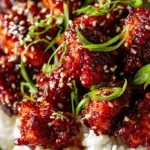
Sticky Korean Gochujang Chicken
- Total Time: 30 minutes
- Yield: 4 servings 1x
- Diet: General
Description
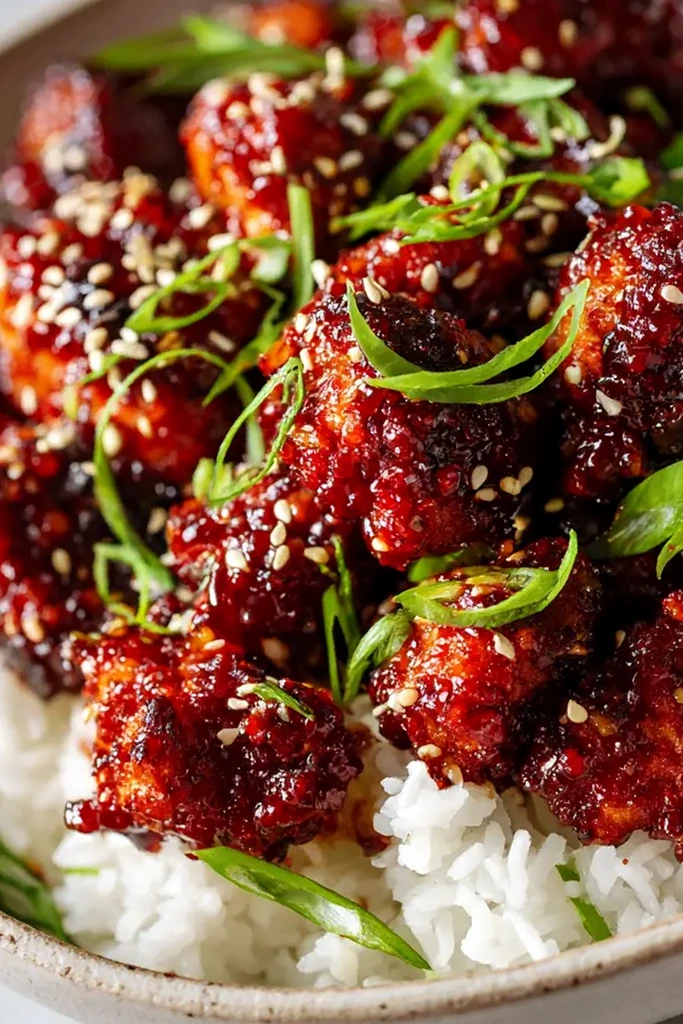
This sticky Korean Gochujang Chicken features bite-sized, juicy chicken pieces with slightly charred and caramelized edges, heavily coated in a thick, glossy, deep crimson red sauce over fluffy steamed rice.
Ingredients
- 1.5 lbs boneless skinless chicken thighs
- 3 tbsp cornstarch
- 1 tbsp neutral oil
- 1/2 tsp kosher salt
- 1/4 tsp black pepper
- 3 tbsp gochujang
- 2 tbsp soy sauce
- 2 tbsp honey or brown sugar
- 1 tbsp rice vinegar
- 3 cloves garlic, minced
- 1 tsp fresh ginger, grated
- 1 tbsp toasted sesame oil
- 1/4 cup water
- 2 cups fluffy white steamed rice
- 1 tbsp toasted white sesame seeds
- 2 stalks green scallions, sliced
Instructions
- Step 1: Pat the bite-sized chicken pieces completely dry with a paper towel. Toss them in a bowl with the kosher salt, black pepper, and cornstarch until every piece is evenly coated.
- Step 2: Heat the neutral oil in a large skillet over medium-high heat. Add the coated chicken in a single layer. Let sear undisturbed for 4-5 minutes until a deep golden-brown crust forms and edges are charred.
- Step 3: Combine the gochujang, soy sauce, honey, rice vinegar, minced garlic, grated ginger, sesame oil, and water in a small bowl. Whisk vigorously until the paste dissolves into a smooth, crimson red liquid.
- Step 4: Lower the skillet heat to medium and pour the sauce directly over the chicken. Stir continuously for 2-3 minutes as the sauce bubbles and reduces into a glossy, thick, deep crimson red sticky sauce.
- Step 5: Remove from heat. Spoon the sticky chicken over a bed of fluffy white steamed rice in a shallow ceramic bowl. Generously sprinkle with toasted white sesame seeds and freshly sliced vibrant green scallions before serving.
Notes
Dry the chicken thoroughly to ensure ultra-crispy edges. Do not crowd the pan; cook in two batches if necessary so the chicken sears rather than steams.
- Prep Time: 10 minutes
- Cook Time: 20 minutes
- Category: Dinner
- Method: Searing
- Cuisine: Korean
Nutrition
- Serving Size: 1 serving
- Calories: 450 kcal
- Sugar: 14 g
- Sodium: 890 mg
- Fat: 16 g
- Saturated Fat: 4 g
- Unsaturated Fat: 12 g
- Trans Fat: 0 g
- Carbohydrates: 44 g
- Fiber: 2 g
- Protein: 34 g
- Cholesterol: 92 mg
Keywords: sticky korean chicken, gochujang chicken, one-pan chicken, korean dinner, spicy chicken