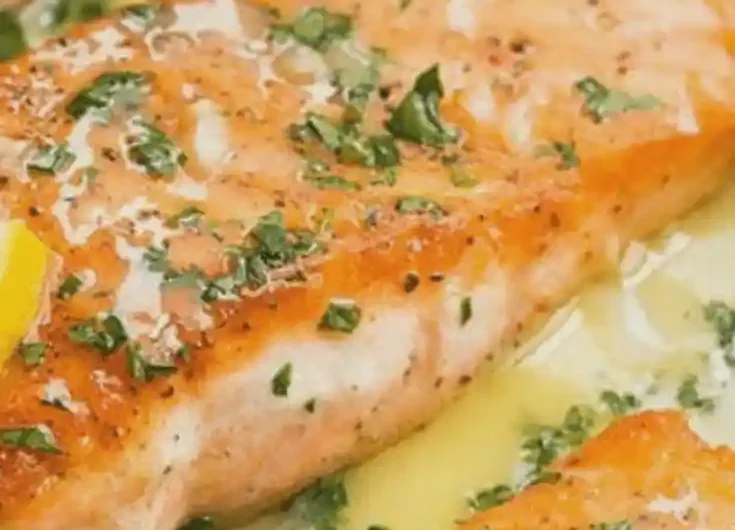
This oven-baked salmon recipe is the ideal solution for busy weeknights when you need a nutritious, flavorful meal that comes together in under thirty minutes. By using a simple combination of olive oil, lemon, and basic seasonings, you achieve a restaurant-quality texture that remains moist and perfectly flaky every time.
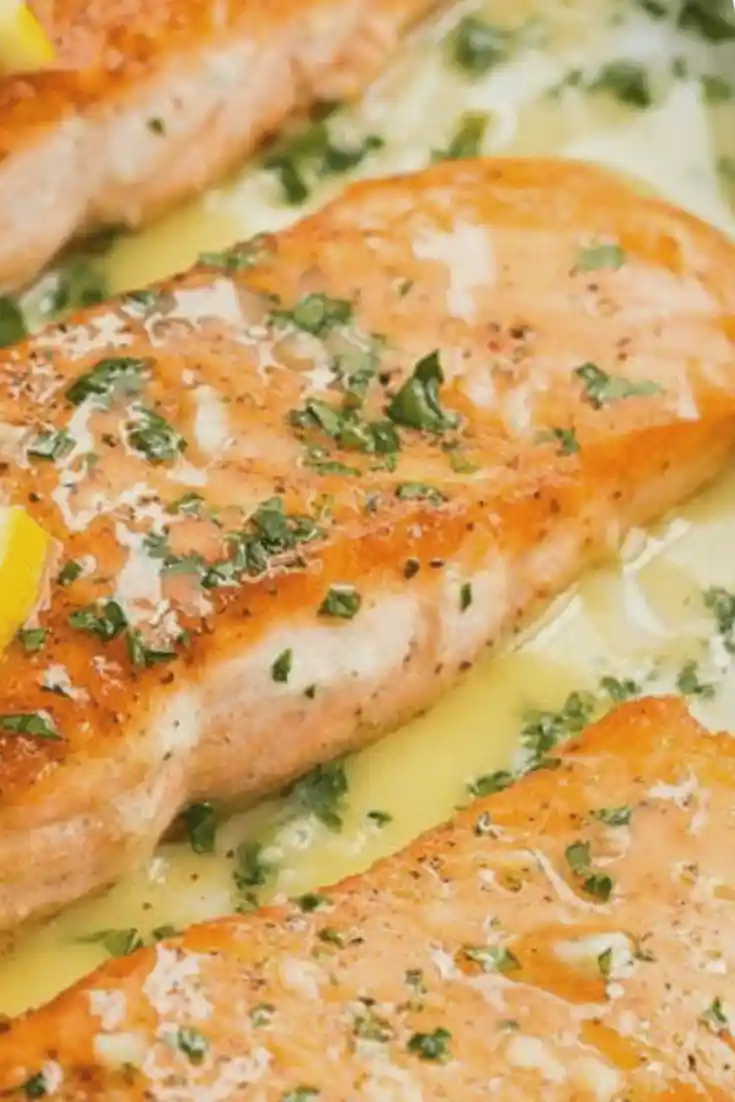
List of ingredients
- 5-6 salmon fillets (about 6 ounces each)
- 3 tbsp extra virgin olive oil
- 1/2 teaspoon salt
- 1/2 teaspoon ground black pepper
- 1 lemon (half cut into round slices and other half juiced)
- Cooking spray
step-by-step instructions
- Step: Preheat the oven to 400 degrees and grease a large baking pan with cooking spray.
- Step: Arrange the salmon fillets on the baking sheet and season generously with salt and pepper.
- Step: Stir together the olive oil and juice of 1/2 of the lemon.
- Step: Spoon this sauce over salmon fillets evenly and brush well the top of the salmon as well as the sides.
- Step: Thinly slice the remaining 1/2 of the lemon and top each piece of salmon with a slice of lemon.
- Step: Cover the tray with aluminum foil.
- Step: Bake the salmon in the oven for 15-18 minutes or until the salmon is flaky when pulled apart with a fork. You can broil the last 1-2 minutes if desired.
- Step: Garnish with fresh chopped parsley before serving if you’d like.
Refining Your Baking Approach
Achieving Uniform Cooking Results
To ensure all your fillets reach the correct temperature simultaneously, select pieces that have a consistent thickness throughout. If one piece is significantly thinner than others, tuck the thinner tail end under itself to create a uniform block that matches the thickness of the rest of the fish.
The Role of Room Temperature Fish
Taking your salmon out of the refrigerator 15 to 30 minutes before you intend to bake it helps the fish reach a more neutral starting temperature. This simple habit prevents the outside of the fish from overcooking while the cold center attempts to warm up, resulting in a more consistent finish.
Monitoring Internal Temperature
Using a digital food thermometer is the most reliable way to confirm your salmon is perfectly cooked. Aim for an internal temperature between 125 and 130 degrees Fahrenheit at the thickest part of the fillet to ensure a medium-well finish that is still incredibly succulent.
Selecting and Preparing Your Fish
Distinguishing Freshness in Salmon
When selecting salmon at the market, look for fillets that appear firm to the touch and have a bright, deep color rather than a dull or grayish hue. The flesh should spring back when pressed gently, and there should be no milky liquid or sour odor, both of which indicate the fish is no longer at its peak quality.
Handling Frozen Fillets
If you prefer using frozen salmon, always prioritize thawing the fish slowly in your refrigerator overnight. Rapid defrosting in warm water can compromise the integrity of the muscle fibers, leading to a mushy texture once cooked, so plan ahead to keep the quality of your dinner high.
Flavor Enhancements and Variations
Alternative Fat Sources
While extra virgin olive oil is the traditional choice for its heart-healthy profile, avocado oil is an excellent substitute for this recipe. Avocado oil has a higher smoke point and a very neutral flavor, which allows the natural taste of the salmon to shine without any interference.
Incorporating Fresh Herbs
Beyond the simple addition of parsley, you can introduce complex flavor profiles by experimenting with fresh herbs. Fresh dill is a classic companion to salmon, while tarragon provides a sophisticated, slightly anise-like note, and fresh thyme adds a rustic, aromatic quality that pairs perfectly with the lemon base.
Adjusting Citrus Intensity
If you enjoy a bolder citrus presence, consider adding a teaspoon of freshly grated lemon zest to your olive oil mixture before coating the fillets. The oils found in the skin of the lemon contain the most concentrated flavor, adding a bright, punchy dimension that fresh juice alone cannot achieve.
Meal Planning and Storage Logic
Managing Leftover Portions
If you have extra salmon, allow it to cool completely before transferring it to an airtight container to prevent excess condensation. Keeping the container tightly sealed will preserve the moisture in the fish for up to three days when stored in the coldest part of your refrigerator.
Freezing Cooked Salmon
Cooked salmon can be frozen for up to three months if handled correctly. To maximize quality, wrap individual portions tightly in plastic wrap before placing them in a heavy-duty freezer bag, which helps prevent freezer burn and keeps the delicate proteins intact during the freezing process.
Reheating Methods for Moisture
When reheating leftover salmon, avoid high heat, which can turn the fish tough and dry. The best method is to gently warm the fillets in the microwave for about one minute on a lower power setting, or place them in a small baking dish with a splash of water, covered, in a 300-degree oven until just warm.
Frequently Asked Questions
Why does my salmon have a white film on it after baking?
That white substance is called albumin, which is a protein that coagulates and pushes to the surface when the fish is heated. It is completely safe to consume, though you can minimize it by not overcooking the salmon and ensuring the heat is steady throughout the process.
Can I bake the salmon without the lemon slices?
Yes, the lemon slices are primarily for aromatics and presentation, so omitting them will not ruin the dish. If you dislike the bitterness that sometimes comes from cooked citrus rind, simply use the lemon juice as instructed and serve fresh lemon wedges on the side for your guests to squeeze over the fish.
What should I pair with this for a complete dinner?
This salmon pairs exceptionally well with roasted root vegetables, steamed green beans, or a crisp quinoa salad. Because the salmon is prepared with a light, acidic sauce, it also works wonderfully over a bed of fluffy brown rice or mixed into a hearty vegetable grain bowl.
Is it necessary to remove the skin?
You can choose to leave the skin on or off based on your personal preference. Baking with the skin on helps keep the bottom of the fillet moist and provides a handle when transferring the hot fish from the pan to a serving plate, but it can be peeled away easily after cooking if you prefer to eat only the flesh.
Print
The Best Baked Salmon
- Total Time: PT25M
- Yield: 4 servings 1x
- Diet: Pescatarian
Description
Whether you need a quick, healthy busy night dinner, a simple protein that you can enjoy tonight and eat leftover the next day, or a special occasion meal, this is the best baked salmon recipe for you! Made with olive oil and lemon for incredible flavor and baked in the oven for flaky tenderness.
Ingredients
- 5–6 salmon fillets (about 6 ounces each)
- 3 tbsp extra virgin olive oil
- 1/2 teaspoon salt
- 1/2 teaspoon ground black pepper
- 1 lemon (half cut into round slices and other half juiced)
- Cooking spray
Instructions
- Step: Preheat the oven to 400 degrees and grease a large baking pan with cooking spray.
- Step: Arrange the salmon fillets on the baking sheet and season generously with salt and pepper.
- Step: Stir together the olive oil and juice of 1/2 of the lemon.
- Step: Spoon this sauce over salmon fillets evenly and brush well the top of the salmon as well as the sides.
- Step: Thinly slice the remaining 1/2 of the lemon and top each piece of salmon with a slice of lemon.
- Step: Cover the tray with aluminum foil.
- Step: Bake the salmon in the oven for 15-18 minutes or until the salmon is flaky when pulled apart with a fork. You can broil the last 1-2 minutes if desired.
- Step: Garnish with fresh chopped parsley before serving if you’d like.
Notes
Pat dry the fillets with paper towels before seasoning. Use a food thermometer to ensure the salmon reaches an internal temperature of 125°F to 130°F at the thickest point.
- Prep Time: PT5M
- Cook Time: PT20M
- Category: Entrées
- Method: Baking
- Cuisine: American
Nutrition
- Serving Size: 1 fillet
- Calories: 350 kcal
- Sugar: 1 g
- Sodium: 291 mg
- Fat: 22 g
- Saturated Fat: 4 g
- Unsaturated Fat: 15 g
- Trans Fat: 0 g
- Carbohydrates: 2 g
- Fiber: 1 g
- Protein: 34 g
- Cholesterol: 95 mg
Keywords: salmon, baked salmon, healthy dinner, easy recipe, oven baked, seafood, entree