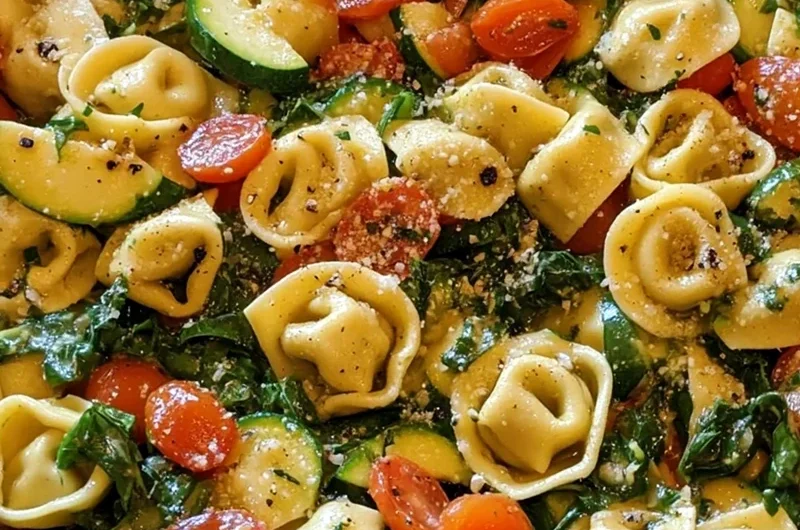
This vibrant meal combines cheese-filled pasta with a medley of fresh garden vegetables for a light yet satisfying dinner. It is an efficient choice for busy weeknights or a refreshing lunch that highlights seasonal produce.
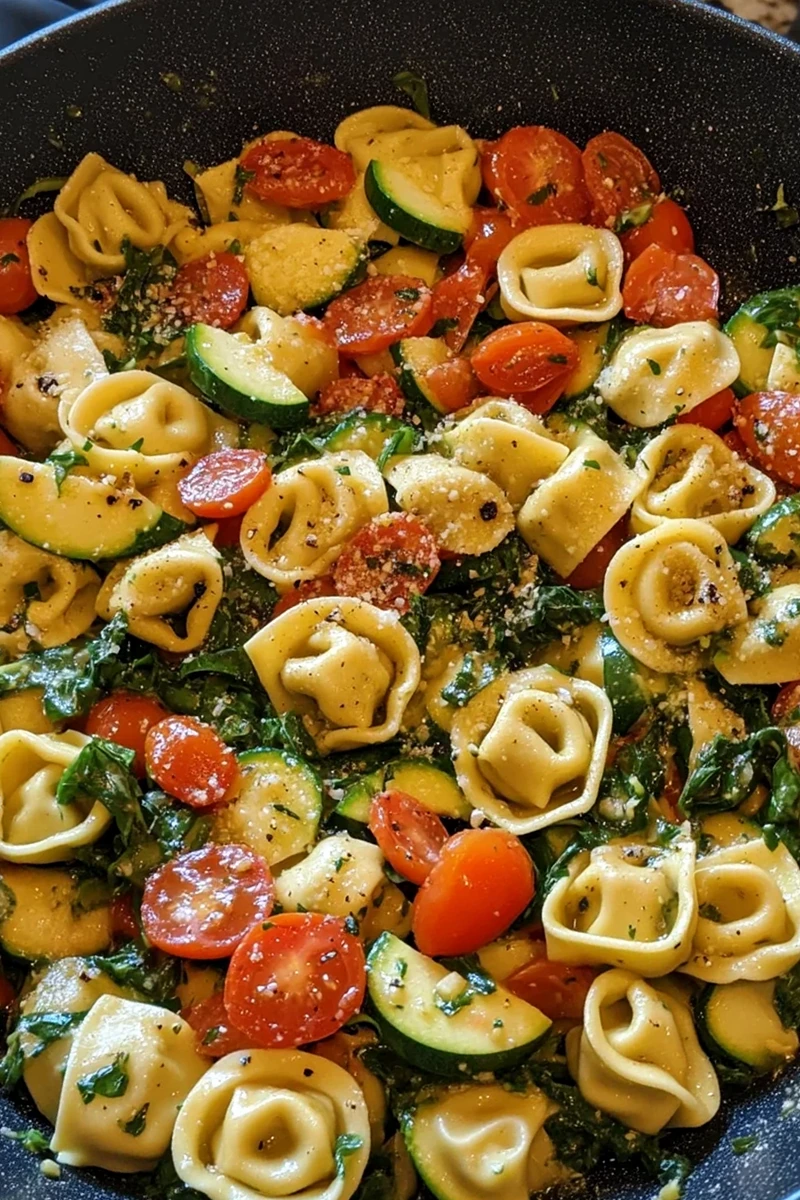
List of ingredients
- 1 (20 oz / 500 g) package cheese tortellini (fresh or refrigerated) – the hearty pasta base.
- 2 tablespoons olive oil – used for sautéing the vegetables.
- 3 cloves garlic, minced – adds a pungent, aromatic base.
- 1 medium zucchini, chopped – provides a mild, earthy flavor.
- 1 red bell pepper, diced – adds sweetness and bright color.
- 1 yellow bell pepper, diced – adds nutritional value and sweetness.
- 1 cup cherry tomatoes, halved – provides juicy bursts of acidity.
- 2 cups fresh baby spinach – adds a nutrient-dense green element.
- ½ teaspoon dried oregano – provides a classic Italian herbal note.
- ¼ teaspoon red pepper flakes (optional) – adds a subtle kick of heat.
- Salt and black pepper to taste – essential for balancing flavors.
- ¼ cup freshly grated Parmesan cheese (optional) – adds a nutty, salty finish.
- 2 tablespoons fresh basil, chopped – adds a fragrant, peppery aroma.
- Juice of half a lemon – provides a zesty, bright uplift to the dish.
step-by-step instructions
- Boil the pasta: Bring a large pot of salted water to a boil. Add the cheese tortellini and cook according to package instructions, usually 3–5 minutes, then drain and set aside.
- Sauté aromatics and hard vegetables: Heat the olive oil in a large skillet over medium heat. Sauté the minced garlic for about 30 seconds until fragrant, then add the chopped zucchini and diced bell peppers, cooking for 5–7 minutes until tender-crisp.
- Wilt the greens and tomatoes: Toss in the halved cherry tomatoes and fresh baby spinach. Cook for another 2–3 minutes until the tomatoes begin to burst and the spinach wilts.
- Season and combine: Sprinkle the vegetables with dried oregano, red pepper flakes, salt, and black pepper. Gently fold in the drained tortellini and toss to ensure everything is evenly coated.
- Add final touches: Drizzle in the lemon juice and sprinkle with fresh basil and Parmesan cheese. Taste and adjust seasoning, adding a splash of reserved pasta water if the mixture seems too dry.
Expert Cooking Advice for Better Results
Reserve Starchy Pasta Water for the Sauce
Always keep a small amount of the boiling water before draining your tortellini. This starchy liquid helps emulsify the olive oil and lemon juice into a light sauce that clings better to the pasta. Stir in one tablespoon at a time until the desired consistency is reached.
Prioritize Fresh Seasonal Produce
Using vegetables at their peak ripeness significantly improves the overall flavor profile. Summer squash and bell peppers are sweetest during the warmer months. Avoid canned alternatives as they lack the texture and brightness required for this recipe.
Prevent Overcooking the Cheese Tortellini
Fresh and refrigerated tortellini cook much faster than dried pasta. Keep a close eye on the pot and remove them the moment they float to the surface. This ensures they maintain an al dente texture and do not fall apart during the tossing phase.
Sauté Vegetables in Small Batches
If you are using a small skillet, avoid overcrowding the pan with vegetables. Overcrowding lowers the temperature and causes the vegetables to steam instead of brown. Cook the peppers and zucchini in two turns if necessary to achieve a golden-brown sear.
Alternative Vegetable Options
Using Broccoli or Asparagus
Broccoli florets and asparagus spears are excellent substitutes for zucchini. Since these vegetables take slightly longer to cook, add them to the skillet two minutes before the bell peppers. This ensures they are tender without becoming mushy.
Incorporating Carrots or Snap Peas
Thinly sliced carrots add a distinct sweetness and a pop of orange color to the dish. Snap peas provide a satisfying crunch and a fresh, green flavor. Sauté them alongside the bell peppers for the best results.
Substituting Spinach with Lacinato Kale
Kale is a heartier alternative to baby spinach and holds its shape better. Because the fibers are tougher, sauté the kale for about five minutes instead of two. This allows it to soften while remaining vibrant.
Working with Frozen Vegetables
If fresh produce is unavailable, frozen mixed vegetables can be used. Thaw them completely and pat them dry with a paper towel before adding them to the skillet. This prevents excess moisture from diluting the seasoning and preventing browning.
Ways to Add More Protein
Incorporating Grilled Chicken Breast
Adding pre-cooked grilled chicken strips makes this meal significantly heartier. Fold the sliced chicken into the skillet during the final step. This warms the meat through without overcooking it and drying out the breast.
Adding Pan-Seared Shrimp
Shrimp pairs beautifully with lemon and garlic. Sauté the shrimp in olive oil for two minutes per side before adding the garlic. Remove them from the pan and stir them back in at the very end to maintain their plump texture.
Using Extra-Firm Tofu Cubes
For a plant-based protein boost, use cubed extra-firm tofu. Pat the tofu dry and brown it in the skillet before starting the vegetable sauté. This creates a crispy exterior that contrasts well with the soft tortellini.
Mixing in Canned Chickpeas
Rinsed chickpeas add fiber and a nutty flavor to the pasta. Toss them in with the bell peppers and zucchini to let them brown slightly. They absorb the lemon and oregano flavors effectively during the cooking process.
Flavor Variations and Creative Twists
Creating a Creamy Ricotta Version
For a richer texture, stir in a tablespoon of ricotta cheese or a splash of heavy cream. This creates a velvety coating that complements the cheese filling of the tortellini. Add this at the very end on low heat to avoid curdling.
Adding a Basil Pesto Twist
Enhance the herbal notes by stirring in two tablespoons of high-quality basil pesto. This adds depth, extra garlic, and a concentrated basil flavor. If using pesto, reduce the amount of dried oregano to avoid clashing flavors.
Increasing the Heat Level
If you prefer a spicier dish, replace the red pepper flakes with fresh sliced jalapeños or serrano peppers. Sauté the fresh chilies with the garlic for a more integrated heat. This cuts through the richness of the Parmesan cheese.
Experimenting with Different Fresh Herbs
While basil is classic, fresh parsley or dill can provide a different aromatic profile. Parsley adds a clean, grassy note, while dill works exceptionally well with the lemon juice. Use a mix of two herbs for a more complex flavor.
Storage and Reheating Guidelines
Refrigeration and Shelf Life
Store any leftovers in an airtight glass container in the refrigerator. The dish will remain fresh and tasty for up to four days. Ensure the pasta is completely cooled before sealing the lid to prevent excess condensation.
Best Methods for Reheating
The best way to reheat this pasta is in a skillet over low to medium heat. Add a teaspoon of water or olive oil to restore the moisture. Avoid the microwave if possible, as it can make the tortellini rubbery and the vegetables soggy.
Preventing Pasta from Clumping
When storing the dish, toss the pasta in a small amount of extra olive oil. This creates a barrier that prevents the tortellini from sticking together in the fridge. This is especially helpful for those using this recipe for meal prep.
Managing Vegetable Texture After Cooling
Zucchini and spinach tend to soften significantly after being refrigerated and reheated. To mitigate this, slightly undercook the vegetables during the initial preparation. They will finish softening during the reheating process.
Make-Ahead and Meal Prep Advice
Prepping Vegetables in Advance
You can dice the peppers, zucchini, and garlic up to two days before cooking. Store each vegetable in separate containers or bags to maintain their individual textures. This reduces the active prep time to just a few minutes.
Cooking Pasta Separately for Storage
If you plan to eat the meal over several days, store the cooked tortellini and the sautéed vegetables in separate containers. Combine and heat them together just before serving. This prevents the pasta from absorbing all the sauce and becoming bloated.
Assembling the Dish as a Cold Salad
This recipe works excellently as a cold pasta salad for lunches. Allow the sautéed vegetables to cool completely before mixing them with the tortellini. Add an extra squeeze of lemon juice to maintain a bright, zesty flavor when served cold.
Avoiding the Freezer
It is not recommended to freeze this specific dish. The high water content in the fresh zucchini and spinach causes them to release liquid upon thawing. This results in a watery sauce and a mushy vegetable texture.
Common Troubleshooting Solutions
Fixing Watery Vegetables
If your vegetables are releasing too much liquid, increase the skillet heat to medium-high. This encourages evaporation and allows the vegetables to brown. Ensure you are not overcrowding the pan, as this is the primary cause of steaming.
Correcting Bland or Flat Flavor
If the dish tastes dull, it likely needs more acid or salt. Add a small pinch of salt or an extra teaspoon of lemon juice to brighten the flavors. Acid acts as a natural flavor enhancer that wakes up the vegetables.
Dealing with Overcooked Pasta
If the tortellini are too soft, rinse them briefly under cold water to stop the cooking process. When combining them with the vegetables, use a gentle folding motion. This prevents the delicate pasta from breaking apart.
Balancing Excessive Lemon Acidity
If the lemon juice is too overpowering, add a bit more Parmesan cheese or a small knob of butter. The fats in the cheese and butter neutralize the sharpness of the citric acid. This creates a smoother, more balanced taste.
Frequently Asked Questions
Can I use frozen tortellini for this recipe?
Yes, frozen tortellini work perfectly well. Simply follow the boiling instructions on the package, but be careful not to overcook them, as they can soften quickly.
Is this recipe suitable for a gluten-free diet?
Yes, you can make this gluten-free by using a gluten-free cheese tortellini. Most grocery stores carry options made from corn, rice, or quinoa flour that work well in this dish.
Can I make this recipe vegan?
To make this vegan, use plant-based cheese tortellini and omit the Parmesan cheese. You can replace the Parmesan with nutritional yeast or a vegan Parmesan alternative for a similar nutty flavor.
How do I stop the spinach from disappearing?
To keep the spinach from wilting too much, add it as the very last vegetable. Stir it for only 30 to 60 seconds just until it begins to droop, then remove the pan from the heat immediately.
Print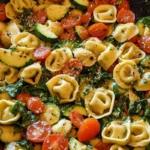
Tortellini with Summer Vegetables
- Total Time: 25 minutes
- Yield: 4 servings 1x
- Diet: Vegetarian
Description
A vibrant dish combining cheese tortellini with fresh summer vegetables for a light and flavorful meal.
Ingredients
- 1 (20 oz / 500 g) package cheese tortellini (fresh or refrigerated)
- 2 tablespoons olive oil
- 3 cloves garlic, minced
- 1 medium zucchini, chopped
- 1 red bell pepper, diced
- 1 yellow bell pepper, diced
- 1 cup cherry tomatoes, halved
- 2 cups fresh baby spinach
- ½ teaspoon dried oregano
- ¼ teaspoon red pepper flakes (optional)
- Salt and black pepper to taste
- ¼ cup freshly grated Parmesan cheese (optional)
- 2 tablespoons fresh basil, chopped
- Juice of half a lemon
Instructions
- Step 1: Bring a large pot of salted water to a boil. Add the cheese tortellini and cook according to package instructions (usually 3–5 minutes). Drain and set aside.
- Step 2: Heat the olive oil in a large skillet over medium heat. Add the garlic and sauté for about 30 seconds until fragrant. Add zucchini and bell peppers and cook for 5–7 minutes until tender-crisp.
- Step 3: Toss in the cherry tomatoes and spinach. Cook for 2–3 more minutes until the tomatoes start to burst and the spinach wilts.
- Step 4: Season the vegetables with oregano, red pepper flakes, salt, and black pepper. Add the drained tortellini and gently toss to combine everything.
- Step 5: Drizzle in lemon juice, sprinkle with fresh basil and Parmesan if using. Taste and adjust seasoning. If the mixture looks a bit dry, add a splash of the reserved pasta water.
Notes
Reserve about ¼ cup of pasta water to adjust sauce consistency. This dish can be served warm or at room temperature. Feel free to substitute any seasonal vegetables you have on hand.
- Prep Time: 10 minutes
- Cook Time: 15 minutes
- Category: Main Course
- Method: Sautéing
- Cuisine: Italian
Nutrition
- Serving Size: 1 serving
- Calories: 350 kcal
- Sugar: 4 g
- Sodium: 550 mg
- Fat: 14 g
- Saturated Fat: 3 g
- Unsaturated Fat: 9 g
- Trans Fat: 0 g
- Carbohydrates: 46 g
- Fiber: 4 g
- Protein: 12 g
- Cholesterol: 10 mg
Keywords: tortellini, summer vegetables, Italian, quick dinner, vegetarian