
This recipe creates a traditional Italian baked lasagne featuring a slow-cooked meat sauce and a creamy bechamel. It is a hearty, comforting meal perfect for large family gatherings or a special Sunday dinner.

List of ingredients
- 1 tbsp olive oil – used for sautéing the aromatic vegetables.
- 1 cup carrot, finely chopped (1 large) – part of the classic soffritto base.
- 1 cup stalk celery, finely chopped (1 large) – adds a subtle earthy depth to the sauce.
- 1 cup white onion, finely chopped (1 large) – provides the essential flavor foundation.
- 1 lb ground beef (mince) (500g) – the primary protein for a rich ragu.
- 1 lb ground beef (mince) (500g) – substituted for pork to ensure a hearty beef flavor.
- 2.5 cups Passata (tomato puree US) (540g) – creates a smooth, thick tomato base.
- 3 tbsp tomato paste – concentrates the tomato flavor and thickens the sauce.
- 1 cup beef stock (250ml) – used as a rich alternative to red wine.
- 6 cups beef stock (1.5 litres) – ensures the ragu stays moist during the long simmer.
- 2 bay leaves – adds a traditional aromatic herb note.
- 1 tsp sea salt flakes and pepper – essential for seasoning the meat.
- 5 tbsp butter (70g) – the fat base for the bechamel roux.
- 5 tbsp flour all-purpose (70g) – the thickening agent for the white sauce.
- 4 cups full fat milk (1 litre) – creates a creamy and silky bechamel.
- 1/2 tsp nutmeg – a key traditional spice for Italian white sauce.
- 1 cup parmesan, freshly grated (70g) – adds salty, nutty depth to the bechamel.
- 1 tsp sea salt and pepper (or to taste) – for seasoning the white sauce.
- 1 lb fresh lasagna pasta sheets (17 oz/500g) – provides a silky texture without pre-boiling.
- 2 balls mozzarella (8 oz/250g) – creates a bubbling, melted golden topping.
step-by-step instructions
- Sauté the Aromatics: Finely chop the carrot, onion, and celery, then sauté the vegetables gently in a large frying pan with olive oil until soft. Tip: Use a low heat to avoid browning the vegetables too quickly.
- Brown the Meat: Add the ground beef to the pan and cook until browned, breaking it up with a wooden spoon. Tip: Spoon out any excess fat from the pan before proceeding to the next step.
- Deglaze the Pan: Pour in the beef stock substitute for wine and let it reduce by half. Tip: Scraping the bottom of the pan releases flavorful browned bits.
- Simmer the Ragu: Stir in the passata, tomato paste, bay leaves, 4 cups of beef stock, and a pinch of salt and pepper. Leave the mixture to simmer on a low heat for 2.5 to 3 hours without a lid. Tip: Simmering uncovered allows the sauce to concentrate and thicken.
- Adjust Liquid: Add the remaining beef stock halfway through the simmering process. Tip: If the sauce becomes too thick, add a small amount of water to maintain consistency.
- Prepare the Roux: Melt butter in a saucepan until bubbling, then stir in the flour to form a paste and cook for one minute. Tip: Cooking the flour briefly removes the raw taste.
- Build the White Sauce: Slowly whisk half of the milk into the roux, stirring constantly to prevent lumps. Once thickened, whisk in the remaining milk, nutmeg, parmesan, and salt and pepper. Tip: Use a whisk rather than a spoon for a smoother texture.
- Finish the Bechamel: Continue heating and stirring until the sauce is thick enough to coat the back of a wooden spoon. Tip: Remove from heat immediately once it reaches the desired thickness.
- Begin Assembly: Preheat the oven to 350F (180C) and spoon a small amount of ragu onto the bottom of a 9×13 inch baking dish. Tip: This prevents the bottom layer of pasta from sticking.
- Layer the Lasagne: Place a layer of pasta sheets over the ragu, followed by a layer of ragu and two ladles of white sauce. Repeat these layers until all ingredients are used, finishing with a top layer of pasta and bechamel. Tip: Aim for 4-5 layers of pasta for the best structure.
- Add Topping and Bake: Cover the top with torn mozzarella cheese and bake for 45 minutes until the cheese is bubbling and golden. Tip: Check the oven at 30 minutes to ensure the cheese isn’t browning too quickly.
- Rest and Serve: Let the lasagne cool in the pan for 5 to 10 minutes before slicing. Tip: Resting allows the layers to set, preventing the dish from collapsing on the plate.
Expert Tips for the Perfect Ragu
The Benefit of Long Simmer Times
Allowing the meat sauce to simmer for at least three hours is essential for developing a deep, complex flavor. Shortcuts like increasing the heat will not achieve the same richness as a slow reduction. Patience is key to a professional Italian result.
Managing Sauce Consistency
Since the ragu simmers uncovered, the liquid level can drop quickly. If you notice the sauce becoming too thick or dry, add 1/2 cup of water at a time. This maintains a luscious texture while keeping the flavors concentrated.
Concentrating Flavors Without a Lid
Keeping the pan uncovered during the simmer allows steam to escape, which thickens the sauce and intensifies the taste. Covering the pan traps moisture, which can result in a thinner, more watery sauce. Always leave the lid off for the best ragu.
Mastering the Bechamel Sauce
Preventing Flour Lumps
To achieve a perfectly smooth white sauce, add the milk very slowly at first. Whisking a small amount of milk into the roux creates a thick paste before thinning it out. This method eliminates the risk of flour clumps forming in the sauce.
Identifying the Correct Thickness
The bechamel is ready when it is thick enough to coat the back of a wooden spoon. If you run your finger through the sauce on the spoon, the line should remain clean. If it runs, continue simmering for a few more minutes.
The Role of Nutmeg and Parmesan
Nutmeg provides a subtle, warm undertone that balances the richness of the milk and butter. Freshly grated parmesan adds a salty depth that enhances the overall savoriness. Avoid pre-grated cheeses, as they often contain anti-caking agents that prevent smooth melting.
Pasta Selection and Preparation
Using Fresh Versus Dried Sheets
Fresh lasagna sheets offer a superior, silky texture and typically do not require pre-boiling. Dried sheets can be used, but they often curl during the baking process. If using dried pasta, always follow the package instructions regarding boiling.
Cutting Sheets for a Perfect Fit
To avoid overlapping edges and uneven cooking, trim the pasta sheets to fit the dimensions of your baking dish. Overlapping pasta can create hard, undercooked spots in the final dish. A precise fit ensures every piece of pasta cooks evenly.
Ensuring Proper Hydration
Fresh pasta absorbs moisture from the sauces as it bakes. By ensuring your ragu and bechamel are not overly thick, the pasta will cook through perfectly. If your sauces are too dry, the pasta may remain firm or chewy.
Assembly and Baking Secrets
Building the Foundation Layer
Always start with a thin layer of ragu at the very bottom of the dish. This creates a barrier that prevents the first layer of pasta from sticking to the pan. It also ensures the bottom pasta sheet is fully hydrated during the baking process.
Achieving Even Layers
Use a ladle to distribute the white sauce and ragu evenly across each pasta sheet. Gaps in the sauce can lead to dry patches in the finished lasagne. Ensure every corner of the pasta is covered before adding the next layer.
Getting a Golden Mozzarella Crust
Tear the mozzarella into pieces rather than slicing it to create a more textured surface. This allows the cheese to bubble and brown more effectively under the oven heat. For an extra golden finish, you can broil the top for the last two minutes.
Storage and Reheating Guide
Refrigerating Leftovers
Allow the lasagne to cool completely before covering it with an airtight lid or foil. Store it in the refrigerator for up to 3-4 days. Cooling slowly prevents condensation from making the pasta soggy.
Freezing for Future Meals
You can freeze the assembled lasagne before baking or freeze cooked portions. If freezing uncooked, cover tightly with plastic wrap and foil to prevent freezer burn. Thaw overnight in the refrigerator before baking as usual.
Reheating Without Drying Out
When reheating in the oven, cover the dish with foil to trap moisture and prevent the cheese from burning. Heat at 325F (160C) until the center is hot. If using a microwave, add a teaspoon of water to the plate to keep the pasta moist.
Make-Ahead Advice
Preparing Ragu in Advance
The beef ragu actually tastes better when made a day or two in advance. This allows the flavors to meld and deepen further while resting in the fridge. Simply reheat the sauce gently before assembling the lasagne.
Storing the White Sauce
If you make the bechamel ahead of time, press a piece of parchment paper directly onto the surface of the sauce. This prevents a skin from forming as the sauce cools. Stir the sauce briefly when reheating to restore its creamy texture.
Customization and Variations
Adding Leafy Greens
For extra nutrition, you can add a layer of sautéed spinach between the pasta and the ragu. Ensure the spinach is well-drained to avoid adding excess water to the dish. This adds a fresh, earthy contrast to the rich meats.
Using Alternative Hard Cheeses
While parmesan is traditional, you can substitute it with Pecorino Romano for a saltier profile. For a more indulgent white sauce, consider adding a handful of grated Gruyere or Fontina. These cheeses melt beautifully into the bechamel.
Vegetable-Forward Adjustments
To lighten the dish, you can replace a portion of the beef with finely chopped mushrooms. Mushrooms provide a similar umami depth while adding a different texture. This variation maintains the heartiness of the original recipe.
Troubleshooting Common Issues
Solving the Lasagna Collapse
If your lasagne slides apart when served, it is usually because the ragu was not reduced enough. Ensure the meat sauce is thick and concentrated before assembling. A well-reduced sauce acts as the glue that holds the layers together.
Preventing Burnt Cheese Tops
If the mozzarella is browning too quickly while the inside is still cold, cover the dish with foil. This shields the cheese from direct heat while allowing the center to cook. Remove the foil for the final 10 minutes to crisp the top.
Fixing Watery Layers
Watery lasagne often results from using high-moisture mozzarella or not draining vegetables properly. If using fresh mozzarella, pat it dry with paper towels first. Ensure the soffritto is sautéed long enough to evaporate excess moisture.
Frequently Asked Questions
Can I use ricotta cheese instead of bechamel?
While ricotta is common in Italian-American versions, traditional Lasagne al Forno uses bechamel sauce. Bechamel provides a smoother, creamier texture that integrates more seamlessly with the ragu.
How long can I store this dish?
Homemade lasagne stays fresh in the refrigerator for about 4 days. If you plan to keep it longer, it is best to freeze individual portions in airtight containers.
Do I need to pre-boil the pasta?
If you are using fresh pasta sheets, pre-boiling is unnecessary as they cook in the sauce. If using dried sheets, check the package; some require boiling, while others are ‘no-boil’ and only need extra sauce.
Print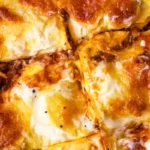
Traditional Italian Beef Lasagne with Bechamel
- Total Time: 4 hours 15 minutes
- Yield: 8–10 servings 1x
- Diet: General
Description
A classic recipe for homemade Lasagne al Forno (Italian Beef Lasagna) made entirely from scratch. There’s truly nothing more comforting than a hot bubbling baked lasagna made with homemade beef ragu, bechamel sauce, silky pasta and topped with melted mozzarella cheese!
Ingredients
- 1 tbsp olive oil
- 1 cup carrot, finely chopped
- 1 cup stalk celery, finely chopped
- 1 cup white onion, finely chopped
- 2 lb ground beef (mince)
- 2.5 cups Passata (tomato puree)
- 3 tbsp tomato paste
- 1 cup alcohol-free red wine substitute
- 6 cups beef stock
- 2 bay leaves
- 1 tsp sea salt flakes and pepper
- 5 tbsp butter
- 5 tbsp all-purpose flour
- 4 cups full fat milk
- 1/2 tsp nutmeg
- 1 cup freshly grated parmesan
- 1 tsp salt and pepper
- 1 lb fresh lasagna pasta sheets
- 2 balls mozzarella
Instructions
- Step: Finely chop the carrot, onion and celery and saute the vegetables gently in a large frying pan with the olive oil.
- Step: Once the vegetables are soft add the beef mince and cook until browned.
- Step: Add the alcohol-free red wine substitute and reduce by half.
- Step: Once the wine has reduced, add the passata, tomato paste, bay leaves, 4 cups of beef stock and a pinch of salt and pepper.
- Step: Stir everything together and leave to simmer on a low heat for 2.5-3 hours uncovered, adding the rest of the beef stock halfway through.
- Step: Add the butter to a saucepan and cook until melted and bubbling.
- Step: Add the flour to the melted butter and stir to form a paste, cooking for 1 minute.
- Step: Slowly whisk half of the milk into the butter and flour constantly whisking to avoid any lumps.
- Step: Once it has started to thicken add the rest of the milk, nutmeg, parmesan and a pinch of salt and pepper.
- Step: Continue to heat the sauce whilst stirring until thickened enough to coat the back of a wooden spoon, then set aside.
- Step: Preheat the oven to 350F (180C).
- Step: Spoon a small amount of ragu on the very bottom of the baking dish.
- Step: Top with an even layer of lasagna pasta sheets.
- Step: Add a few more spoons of ragu so the pasta is completely covered followed by 2 ladels of white sauce.
- Step: Repeat the layers of pasta, ragu and bechamel sauce until everything is used up, finishing with a layer of bechamel sauce.
- Step: Cover the top layer of the lasagne with torn mozzarella and bake in the oven for 45 minutes or until bubbling and golden.
- Step: Let it cool slightly for 5-10 minutes before serving.
Notes
The ragu needs at least 3 hours to simmer to develop deep flavor; do not cover the pan while simmering. You can prepare the beef ragu a day or two in advance or freeze it. If using dried pasta, follow packet instructions for pre-boiling.
- Prep Time: 15 minutes
- Cook Time: 4 hours
- Category: Main Course
- Method: Baking
- Cuisine: Italian
Nutrition
- Serving Size: 1 serving
- Calories: 753 kcal
- Sugar: 12 g
- Sodium: 740 mg
- Fat: 39 g
- Saturated Fat: 18 g
- Unsaturated Fat: 21 g
- Trans Fat: 0 g
- Carbohydrates: 56 g
- Fiber: 4 g
- Protein: 39 g
- Cholesterol: 120 mg
Keywords: lasagne al forno, italian beef lasagna, homemade ragu, bechamel sauce, comfort food