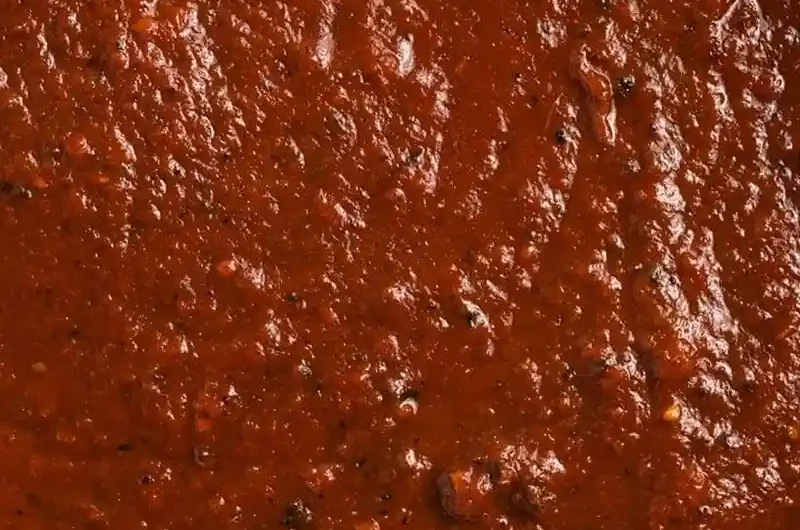
This rich and hearty Italian gravy is slow-cooked to create a deep, savory flavor profile. It serves as a substantial alternative to light marinara, making it an ideal pairing for thick pasta dishes.
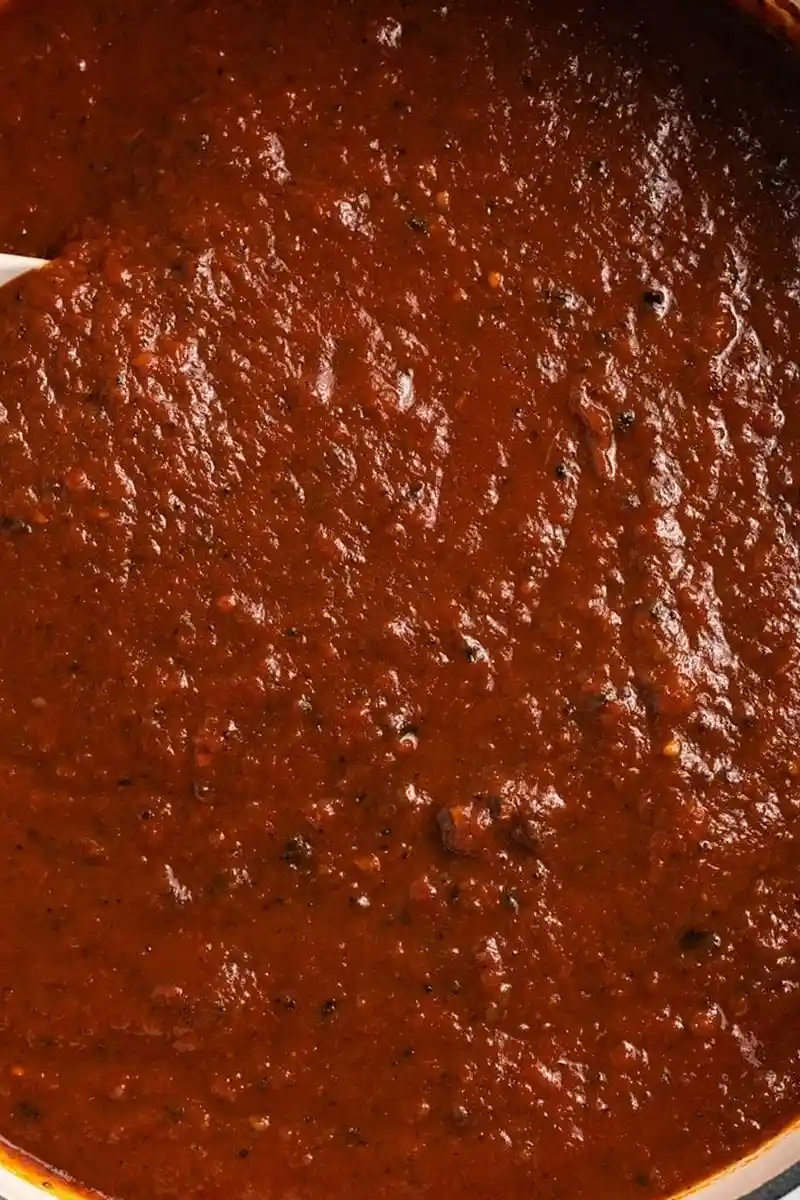
List of ingredients
- 1 1/4 cups beef broth (divided into 1 cup and 1/4 cup) – replaces red wine for a rich base.
- 1/4 cup extra virgin olive oil – used for roasting and sautéing.
- 4 beef short ribs – provides the primary depth of flavor.
- 1 large onion, chopped – adds aromatic sweetness.
- 6 garlic cloves, minced – provides a pungent, savory note.
- 1 teaspoon salt – enhances all savory flavors.
- 1/2 teaspoon ground black pepper – adds a mild spicy warmth.
- 2 28-ounce cans whole peeled tomatoes – the main body of the sauce.
- 1 6-ounce can tomato paste – thickens the sauce and intensifies color.
- 1 28-ounce can tomato sauce – ensures a smooth, consistent texture.
- 2 cups beef broth – adds additional liquid for long simmering.
- 1 tablespoon dried basil – adds classic herbal notes.
- 1 tablespoon dried oregano – provides a traditional Italian aroma.
- 1/4 cup chopped fresh Italian parsley – used for freshness and color.
- 1 pound beef-based Italian sausage, cooked and drained – adds meaty texture and spice.
step-by-step instructions
- Roast the Meats: Preheat your oven to 400°F. In a roasting pan, combine 1 cup of beef broth, olive oil, beef short ribs, chopped onion, minced garlic, salt, and black pepper, stirring well to coat everything. Roast for 1 hour and 30 minutes.
- Initial Simmer: Remove the pan from the oven and transfer the entire mixture into a 6-quart stockpot over medium-low heat. Stir in the remaining 1/4 cup of beef broth and simmer for 30 minutes.
- Build the Sauce: Add the whole peeled tomatoes, tomato paste, tomato sauce, 2 cups of beef broth, dried basil, dried oregano, and fresh parsley. Stir the mixture thoroughly.
- Slow Reduction: Simmer the sauce uncovered, stirring occasionally to prevent sticking, until the liquid reduces and thickens, which typically takes 4 to 6 hours.
- Final Meat Addition: Remove the short rib bones from the sauce. Stir in the cooked and drained beef-based Italian sausage and continue simmering for one final hour.
- Serve: Serve the completed gravy over 1 pound of cooked pasta of your choice.
Meat Preparation Tips
Selecting Quality Beef Short Ribs
Choose ribs with a good balance of meat and bone. The marrow and connective tissue in short ribs break down during the long roast and simmer, which creates the signature thick consistency of an Italian gravy.
Preparing Beef-Based Italian Sausage
Ensure the beef sausage is browned thoroughly in a skillet before adding it to the sauce. Draining the excess fat after cooking prevents the final gravy from becoming too oily or greasy.
The Importance of Roasting the Meat
Roasting the ribs and aromatics at a high temperature creates a Maillard reaction. This browning process develops complex flavors that cannot be achieved by simmering alone.
Removing the Bones Properly
Once the ribs have finished simmering, the meat should easily pull away from the bone. Remove the bones carefully to ensure the final sauce has a consistent texture while retaining the tender meat.
Mastering the Tomato Base
Using San Marzano Tomatoes
For the best results, use whole peeled San Marzano tomatoes. These are known for their lower acidity and sweeter flavor, which helps balance the richness of the beef.
The Role of Tomato Paste
Tomato paste acts as a concentrated flavor booster. It deepens the red color of the gravy and provides the necessary thickness to ensure the sauce clings to the pasta.
Balancing Tomato Sauce and Puree
Combining whole tomatoes with smooth tomato sauce creates a varied texture. This ensures you have some chunky pieces of tomato while maintaining a velvety liquid base.
Adjusting Acidity Levels
If the sauce tastes too acidic after several hours of cooking, you can add a small pinch of sugar. This neutralizes the sharp notes of the tomatoes without making the sauce sweet.
Simmering and Reduction Techniques
Controlling the Heat for Slow Cooking
Keep the stockpot on medium-low heat to maintain a very gentle bubble. High heat can cause the sauce to evaporate too quickly or scorch the bottom of the pot.
Stirring Frequency to Prevent Burning
Stir the sauce every 30 to 60 minutes, especially as it thickens. Use a flat-edged wooden spoon to scrape the bottom of the pot and incorporate any browned bits.
Understanding the Reduction Process
Simmering uncovered allows water to escape as steam, concentrating the flavors. The sauce is ready when it has reached a thick, coat-the-back-of-a-spoon consistency.
Using an Immersion Blender for Smoothness
If you prefer a smoother gravy, use an immersion blender to puree the whole tomatoes before adding the sausage. This creates a more uniform texture while keeping the meat intact.
Ingredient Substitutions
Beef Broth as a Wine Alternative
Using beef broth instead of red wine provides a savory, salty depth. It maintains the richness of the sauce while making the recipe suitable for those avoiding alcohol.
Substituting Dried Herbs for Fresh
While dried basil and oregano are standard, you can use fresh herbs for a brighter taste. Use three times the amount of fresh herbs compared to the dried measurements listed.
Using Vegetable Broth for a Lighter Base
If you want a slightly less heavy flavor, replace the beef broth with a high-quality vegetable broth. This will slightly change the color but keep the aromatic profile similar.
Alternative Meats for a Different Flavor
You can replace the beef-based sausage with cooked meatballs. This adds different shapes and textures to the gravy, making it feel like a complete meal in one pot.
Serving and Presentation
Selecting Wide Pasta for Heavy Sauces
Use wide noodles like pappardelle or rigatoni for this gravy. These shapes have more surface area and holes to capture the thick, meaty sauce.
Pairing with Garlic Bread
Serve the dish with toasted sourdough or ciabatta brushed with garlic butter. The crusty bread is essential for scooping up the remaining thick gravy from the plate.
Adding Fresh Garnish at the End
Top the plated pasta with a sprinkle of fresh parsley or grated microbial-rennet parmesan cheese. This adds a pop of color and a fresh contrast to the slow-cooked flavors.
Serving the Short Ribs as a Main Course
Instead of mixing everything together, serve the tender roasted short ribs on top of the pasta. Pour the reduced gravy over the meat for a professional restaurant-style presentation.
Storage and Meal Prep
Cooling the Sauce Before Refrigeration
Allow the gravy to cool completely to room temperature before transferring it to containers. Placing hot sauce directly in the fridge can cause condensation and spoil the texture.
Freezing the Gravy in Portions
Store the sauce in airtight freezer bags or containers in small portions. This allows you to thaw only what you need for a quick weeknight meal.
Best Practices for Reheating
Reheat the sauce in a small saucepan over low heat. Add a splash of water or beef broth to loosen the sauce, as it tends to thicken further during freezing.
Maximizing Flavor Through Aging
Like many tomato sauces, this gravy often tastes better the next day. The flavors continue to meld and deepen while resting in the refrigerator.
Common Questions and Troubleshooting
Why is my gravy too thin?
The sauce may not have simmered long enough for the water to evaporate. Continue simmering uncovered on medium-low heat for another 30 to 60 minutes.
How can I make the sauce less salty?
If the beef broth or sausage added too much salt, stir in a small amount of unsalted tomato puree. This increases the volume and dilutes the salt concentration.
Can I use a slow cooker for this recipe?
Yes, after roasting the ribs and simmering them for 30 minutes in the pot, transfer everything to a slow cooker. Cook on low for 6 to 8 hours, stirring occasionally.
How long can I simmer the sauce?
While 4 to 6 hours is recommended, you can simmer it longer for a deeper flavor. Just ensure you add a bit of broth if the sauce becomes too thick.
What is the difference between sauce and gravy?
In Italian cooking, gravy is typically a heartier sauce made with meat drippings and slow-cooked meats. A standard sauce, like marinara, usually relies on vegetables and herbs without the meat base.
Can I use ground beef instead of sausage?
You can use ground beef, but you will need to add extra seasonings. Add a pinch of fennel seed and red pepper flakes to the beef to mimic the flavor of Italian sausage.
Print
Traditional Meaty Italian Gravy
- Total Time: 7 hours 55 minutes
- Yield: 6 servings 1x
- Diet: General
Description
This Authentic Italian Gravy is simmered all day to yield a rich and delicious sauce. It’s perfect for any Italian dish!
Ingredients
- 1 cup beef broth (plus 1/4 cup)
- 1/4 cup extra virgin olive oil
- 4 beef short ribs
- 1 large onion (chopped)
- 6 garlic cloves (minced)
- 1 teaspoon salt
- 1/2 teaspoon ground black pepper
- 2 28-ounce cans whole peeled tomatoes
- 1 6-ounce can tomato paste
- 1 28-ounce can tomato sauce
- 2 cups beef broth
- 1 tablespoon dried basil
- 1 tablespoon dried oregano
- 1/4 cup chopped fresh Italian parsley
- 1 pound beef Italian sausage (cooked and drained)
Instructions
- Step: Preheat the oven to 400°F. Place 1 cup beef broth, oil, beef short ribs, onion, garlic, salt, and black pepper in a roasting pan; stir to coat.
- Step: Roast for 1 hour and 30 minutes.
- Step: Remove from the oven and transfer the mixture to a 6-quart stockpot over medium-low heat. Stir in the remaining 1/4 cup of beef broth. Simmer for 30 minutes.
- Step: Add tomatoes, tomato paste, tomato sauce, beef broth, basil, oregano, and parsley; stir well. Simmer uncovered, stirring occasionally, until sauce reduces, 4 to 6 hours.
- Step: Remove ribs from the sauce. Stir in cooked and drained beef Italian sausage. Continue simmering for 1 hour.
- Step: Serve with 1 pound of cooked pasta.
Notes
For a smooth sauce, use an immersion blender to puree the tomatoes before adding the cooked sausage. Store in a sealed container in the refrigerator for up to 4 days or freeze for up to 4 months.
- Prep Time: 25 minutes
- Cook Time: 7 hours 30 minutes
- Category: Dinner
- Method: Slow Cooking
- Cuisine: Italian
Nutrition
- Serving Size: 1 serving
- Calories: 492 kcal
- Sugar: 15 g
- Sodium: 2419 mg
- Fat: 34 g
- Saturated Fat: 10 g
- Unsaturated Fat: 22 g
- Trans Fat: 0 g
- Carbohydrates: 27 g
- Fiber: 7 g
- Protein: 17 g
- Cholesterol: 58 mg
Keywords: Italian gravy, Sunday sauce, slow-cooked red sauce, beef short ribs, pasta sauce