This guide provides a detailed method for creating authentic napa cabbage kimchi using a traditional salting and fermentation process. This specific approach allows for a longer storage life and a more complex flavor compared to fresh versions.
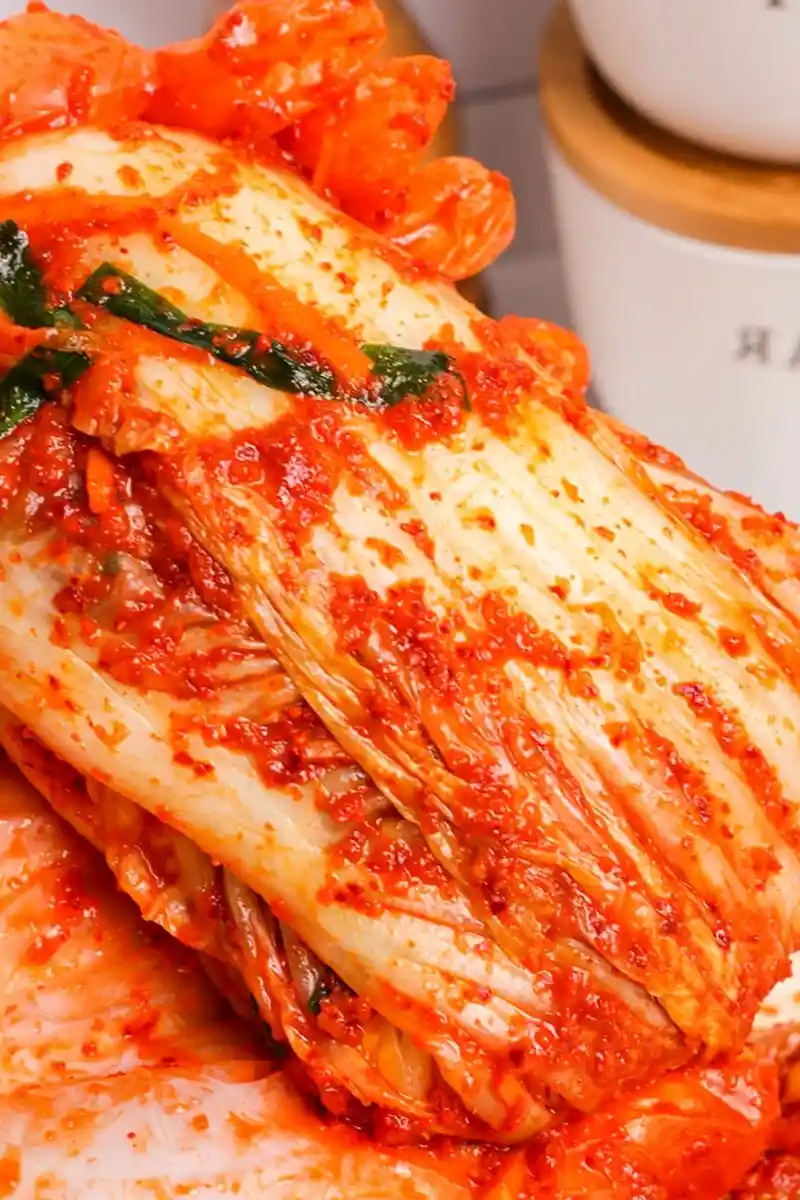
List of ingredients
- 8 pounds napa cabbage (typically two 4-pound heads)
- Kosher salt (approximately 2 cups, or as needed for salting)
- 1½ cups water – for the rice flour paste
- ⅓ cup rice flour (regular or glutinous) – used as a thickener
- 1 large apple (Fuji, Honeycrisp, or Gala) – peeled, cored, and chopped
- 1 large onion – peeled and chopped
- 20 cloves garlic (about 3oz/85g) – peeled
- 2 inch knob of ginger – peeled and chopped
- ½ cup fish sauce – provides saltiness and depth
- 2 cups coarse gochugaru (Korean red pepper flakes) – divided
- 1 pound Korean radish – peeled and julienned
- 6 ounces carrot – peeled and julienned
- 4 ounces Asian chives – cut into 1 inch pieces, tough stems removed
step-by-step instructions
- Prepare and salt the cabbage: Remove undesirable outer leaves. Quarter the cabbage lengthwise by cutting the stem and pulling the leaves apart. Trim the core slightly so the cabbage stays together and rinse each quarter thoroughly to remove grit. In a sanitized bowl, sprinkle Kosher salt between every leaf layer, applying more salt to the thicker stem areas.
- Weight and rotate: Stack the salted cabbages in a large bowl, cover them, and place a heavy weight on top. Let them salt for 1½ to 2 hours, rotating the stack every 30 to 60 minutes so the top cabbages move to the bottom.
- Test the salt level: Rinse a small leaf with water and taste it. The stem should be well-seasoned and bendable, while the leaf should be salty but not unbearable. If not ready, salt for another 30 to 60 minutes.
- Create the rice flour paste: Whisk rice flour and water together in a saucepan. Cook over medium heat, stirring occasionally, until it forms a thick, bubbly, and translucent paste. Transfer to a bowl and let it cool completely.
- Blend the aromatics: Combine the apple, onion, garlic, ginger, and fish sauce in a blender. Process until smooth, then add half of the gochugaru and blend again until well combined.
- Mix the final marinade: Stir the blended aromatic mixture and the remaining gochugaru into the cooled rice flour paste. Fold in the julienned Korean radish, carrots, and Asian chives until evenly distributed.
- Rinse the cabbage: Rinse the salted cabbages 2 to 3 times in a large bowl of fresh water to remove excess salt. Squeeze each quarter firmly but gently to remove excess water, ensuring you do not bruise the stems.
- Apply the marinade: Using gloves, rub the marinade onto every leaf of the cabbage quarters. Ensure plenty of julienned vegetables are tucked between the layers.
- Pack and store: Fold the marinated cabbage quarters tightly and pack them into sterilized glass jars. Leave at least 1 inch of headspace at the top of the jar to accommodate fermentation gases and juices.
Selecting the Best Produce
Identifying Quality Napa Cabbage
Choose cabbage heads that feel heavy for their size, as this indicates high water content and sweetness. Look for heads with yellow-tinged leaves rather than dark green, as these are typically younger and more tender. Ensure the core at the bottom looks fresh and firm without brown spots.
Choosing the Right Korean Radish
Korean radishes should feel heavy and solid to avoid a fibrous or woody texture. Select radishes that have a higher proportion of green skin compared to white, as these tend to be sweeter. If Korean radish is unavailable, a daikon radish serves as a practical substitute.
Understanding Gochugaru Varieties
Only use coarse-ground gochugaru for this recipe to achieve the correct texture and visual appeal. Fine-ground pepper is intended for different dishes and will make the marinade too thin. You can adjust the spice level by choosing different varieties of Korean red pepper flakes available at Asian markets.
Selecting the Best Sweetener
Use juicy, sweet apples like Fuji or Honeycrisp to provide natural sweetness and essential moisture to the paste. If you prefer a more traditional flavor, a peeled Korean pear is an excellent alternative. The fruit helps balance the saltiness of the fish sauce and the heat of the pepper.
Fermentation Process and Timing
Room Temperature Initiation
To speed up the fermentation process, leave the jars at room temperature overnight or for one to two days. This encourages the growth of lactic acid bacteria, which creates the characteristic tangy flavor. Once the kimchi smells slightly acidic, move it to the refrigerator.
Slow Cold Fermentation
For those who prefer a fresher taste and a slower transition to sourness, place the jars in the refrigerator immediately after packing. This method preserves the vibrant, spicy notes for a longer period. It allows you to enjoy the kimchi in its early stages before it becomes fully funky.
Identifying Peak Ripeness
Fresh kimchi is vibrant and balanced between salty and sweet, making it ideal for side dishes. As it ages, it becomes sourer and produces small bubbles, which is a sign of healthy fermentation. Very sour, bubbly kimchi is the best stage for cooking in stews or soups.
Serving and Usage Ideas
Eating Fresh Kimchi
Freshly made kimchi is excellent as a crisp side dish or served as a wrap with boiled beef. At this stage, the flavors are bright and the vegetables retain more of their original crunch. It provides a refreshing contrast to rich or fatty meats.
Cooking with Aged Kimchi
As kimchi ferments and becomes more acidic, it transforms into a powerful cooking ingredient. It is the primary base for Kimchi-jjigae (stew), where the acidity cuts through the richness of the broth. The deep flavor profile enhances the overall complexity of the dish.
Integrating Kimchi into Fried Rice
Finely chop aged kimchi and sauté it with rice and a touch of oil for a savory breakfast or lunch. The fermentation adds a tangy depth that regular vegetables cannot provide. Adding a bit of extra gochugaru can boost the heat.
Making Savory Kimchi Pancakes
Combine chopped fermented kimchi with a simple flour and water batter to create Kimchijeon. Fry them in a pan until the edges are crispy and golden brown. These pancakes are best served with a dip of soy sauce and vinegar.
Storage and Maintenance
Optimizing Jar Packing
Press the cabbage down firmly every time you remove a portion to keep the vegetables submerged in their own juices. This minimizes exposure to oxygen, which can lead to oxidation and premature spoilage. Tightly packed kimchi stays fresh longer.
Preventing Oxidation
If using a kimchi tote, place a clean sheet of cling film directly on the surface of the cabbage. Ensure the film is tucked in and touching the vegetables to create an airtight seal. This barrier prevents the top layer from discoloring.
Managing Fridge Odors
Because of the strong aroma of garlic and fermented seafood, it is helpful to double or triple wrap the container in plastic bags. This prevents the scent from permeating other groceries in the refrigerator. Use dedicated BPA-free plastic or glass containers, as they will likely be permanently stained orange.
Jar Sterilization Methods
Using the Boiling Water Technique
Submerge glass jars completely in a pot of boiling water and simmer for 10 minutes. For altitudes above 1,000 feet, add one additional minute of boiling time per 1,000 feet. This ensures all harmful bacteria are eliminated before the cabbage is packed.
Steaming Large Containers
For gallon-sized jars that cannot be submerged, place them upside-down in a pan of simmering water. Use a rack at the bottom of the pan to prevent the glass from touching the heat source directly. Steam for approximately 15 minutes before allowing them to cool and dry completely.
Frequently Asked Questions
Is kimchi spicy?
Most kimchi has a medium spice level determined by the amount of gochugaru used. If you prefer a higher heat level, you can blend fresh jalapeño or serrano peppers into the aromatic marinade.
How long does kimchi last?
When properly salted and stored in a cool environment, kimchi can last from 6 months up to a year. The flavor will evolve from sweet to sour and eventually to a very acidic, fizzy profile.
Can I omit the extra vegetables?
While you can make kimchi with just cabbage, the radish, carrots, and Asian chives are highly recommended. These additions provide essential sweetness, texture, and the specific funkiness characteristic of traditional recipes.
How do I know if the cabbage is salted enough?
The only reliable method is tasting. Rinse a piece of the salted stem; it should be well-seasoned and flexible. If the stem is still rigid or tastes bland, continue the salting process for another 30 to 60 minutes.
How can I tell if the kimchi has gone bad?
A sour smell and fizzy taste are normal signs of fermentation. However, if you see visible mold on the surface or the cabbage has turned an unnaturally dark color, the kimchi should be discarded.
Can I use regular red pepper flakes?
No, regular red pepper flakes have a different flavor and heat profile than gochugaru. Using a substitute will significantly alter the authentic taste and color of the kimchi.
Print
Traditional Napa Cabbage Kimchi
- Total Time: 3 hours 30 minutes
- Yield: 2 gallon jars 1x
- Diet: General
Description
Kimchi or more specifically, napa cabbage kimchi, is one of the most popular banchan that’s spicy, tangy, and funky. This traditional and authentic recipe allows for longer storage and fermentation compared to fresh kimchi.
Ingredients
- 8 pounds napa cabbage
- 2 cups Kosher salt
- 1½ cup water
- ⅓ cup rice flour
- 1 large apple
- 1 large onion
- 20 cloves garlic
- 2 inch knob of ginger
- ½ cup fish sauce
- 2 cups gochugaru
- 1 pound Korean radish
- 6 ounces carrot
- 4 ounces Asian chives
Instructions
- Step: Peel away and discard any undesirable outer layer leaves of the napa cabbage.
- Step: Quarter the cabbage long ways.
- Step: Trim away excess part of the cabbage core and rinse each quarter with water to remove dirt.
- Step: Salt each quarter of napa cabbage by sprinkling salt between each and every layer of leaves, more generously around the stems.
- Step: Arrange and stack cabbages in a large bowl, cover and weigh down for 1½ to 2 hours, rotating every 30 minutes.
- Step: Rinse the napa cabbages with fresh water 2 to 3 times to remove excess salt.
- Step: Gently but firmly squeeze each quarter of napa cabbage to remove most of the excess water.
- Step: Whisk together rice flour and water, cook over medium to medium high heat until a thick, slightly translucent paste forms, and let cool.
- Step: Blend apple, onion, garlic cloves, ginger, and fish sauce until well blended.
- Step: Add half of the gochugaru to the blender and blend until smooth.
- Step: Transfer blended mixture to the bowl with cooled rice flour paste, add remaining gochugaru, Korean radish, carrot, and Asian chives, and mix well.
- Step: Rub the marinade on each leaf of the napa cabbage, leaving some julienned veggies in between layers.
- Step: Fold the cabbage over itself and pack tightly into sterilized glass jars, leaving at least 1 inch of space at the top.
Notes
Use Kosher salt or coarse salt for better control. Wear disposable gloves when applying the marinade to avoid staining hands.
- Prep Time: 3 hours 15 minutes
- Cook Time: 15 minutes
- Category: Side Dish
- Method: Fermentation
- Cuisine: Korean
Nutrition
- Serving Size: 1 gallon jar
- Calories: 1306 kcal
- Sugar: 71 g
- Sodium: 8723 mg
- Fat: 39 g
- Saturated Fat: 7 g
- Unsaturated Fat: 32 g
- Trans Fat: 0 g
- Carbohydrates: 253 g
- Fiber: 117 g
- Protein: 65 g
- Cholesterol: 0 mg
Keywords: banchan, korean pickle