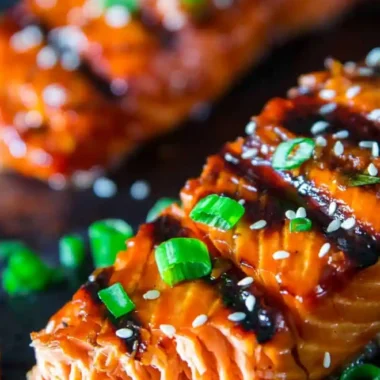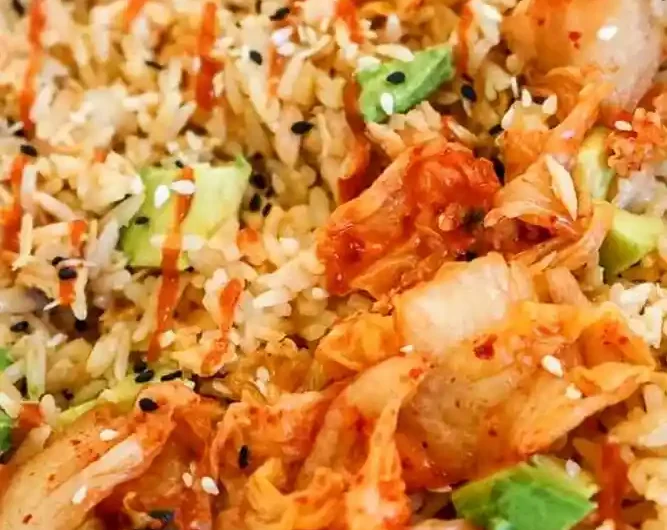
This salmon and rice bowl is an efficient way to repurpose leftover fish and grains into a gourmet-style meal. The process relies on a steaming method that ensures the rice remains moist and tender without overcooking.
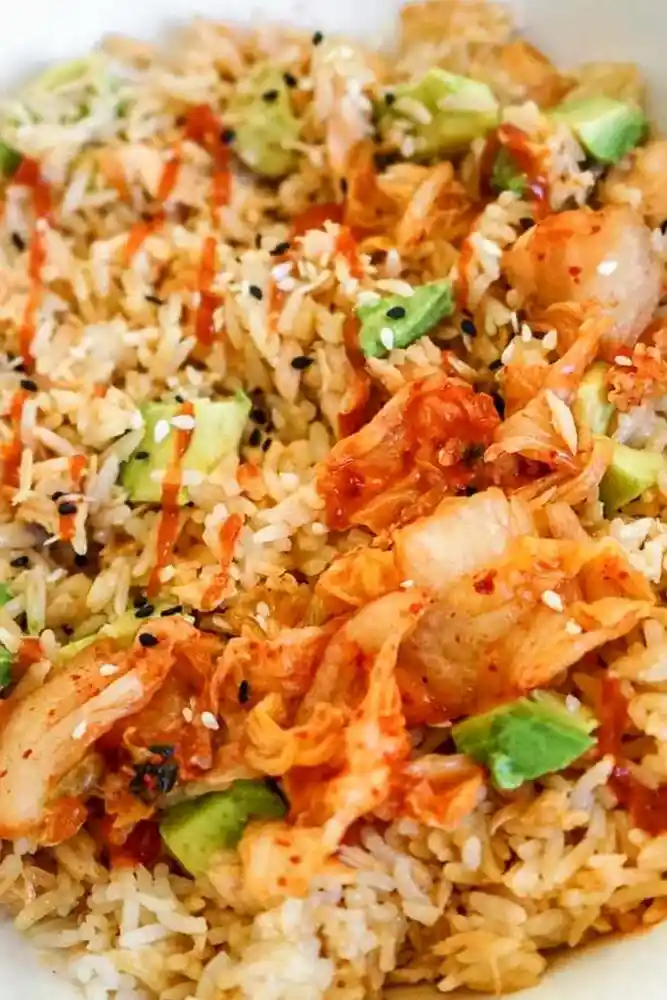
List of ingredients
- 1-2 cooked salmon filets (about 4 oz. each) – chilled or leftover.
- 2 cups cooked rice – cold, day-old rice works best.
- 1 ice cube – used for steaming in the microwave.
- 1/2 avocado, diced – for creaminess and healthy fats.
- 2 tbsp soy sauce – adjust to taste, or use Tamari or coconut aminos.
- 1-2 tbsp kewpie mayonnaise – for a rich, Japanese-style creaminess.
- 2 tsp sriracha – optional, for a spicy kick.
- kimchi – optional, for tang and crunch.
- sesame seeds – optional, for garnish and nuttiness.
- 12 roasted seaweed sheets – optional, for making mini-wraps.
step-by-step instructions
- Prepare the base: In a microwave-safe bowl, flake your cold salmon using a fork until it is broken into small pieces. Add the leftover rice directly on top of the flaked salmon.
- Add steam source: Place one ice cube in the center of the bowl, nestling it carefully into the rice.
- Microwave: Cover the bowl loosely with parchment paper or a paper plate to allow steam to escape. Microwave on high for 2 to 2 1/2 minutes, then remove the bowl and discard any remaining ice.
- Combine flavors: Stir in the soy sauce, mayonnaise, and sriracha if you are using it. Mix thoroughly until the rice and salmon are well combined with the sauces.
- Final assembly: Top the mixture with diced avocado and additional mayonnaise, sriracha, and soy sauce to your preference. Sprinkle with sesame seeds for a finished look.
- Serve: Enjoy the bowl as is, or add kimchi and wrap portions of the mixture in seaweed sheets to create mini-wraps.
Ways to Customize Your Bowl
Substitute Salmon with Rotisserie Chicken
Using pre-cooked rotisserie chicken makes this a versatile lunch option for those who do not have salmon. Chop the chicken into small, uniform cubes to match the texture of flaked salmon. This modification allows you to use whatever protein you have available in your refrigerator.
Incorporate Brown Rice for More Fiber
Brown rice provides a nuttier taste and more dietary fiber compared to white rice. Ensure the brown rice is fully cooked and chilled before adding it to the bowl. The steaming method with the ice cube works equally well for brown rice.
Add Sliced Cucumbers for Fresh Texture
English cucumbers add a refreshing, cool crunch that balances the richness of the mayonnaise. Slice them into thin rounds or small dice to mix throughout the bowl. This addition adds hydration and a bright color to the dish.
Include Shredded Carrots for Sweetness
Finely shredded carrots add a subtle sweetness and a vibrant orange hue. You can use a grater or buy pre-shredded carrots from the store. They provide a satisfying snap in every bite.
Incorporate Rice Vinegar for Sushi Flavor
Drizzle a small amount of rice vinegar over the rice after microwaving to mimic the taste of sushi. This adds a light acidity that cuts through the fattiness of the salmon and avocado. It is a simple way to elevate the overall flavor profile.
Ingredient Modifications and Alternatives
Use Coconut Aminos for a Soy-Free Option
Coconut aminos are an excellent alternative for those avoiding soy or seeking a lower-sodium option. They provide a similar savory, salty taste but with a slightly sweeter undertone. The ratio for substitution is typically one-to-one with soy sauce.
Switch Kewpie for Regular Mayonnaise
Standard mayonnaise works well if you cannot find Japanese Kewpie mayo at your local grocery store. While Kewpie is richer due to the use of only egg yolks, regular mayo still provides the necessary creaminess. You can add a pinch of sugar to regular mayo to closer mimic the Kewpie taste.
Replace Kimchi with Pickled Ginger
Pickled ginger provides a similar tang and acidity to kimchi without the spicy fermented cabbage flavor. It is a classic pairing with salmon and rice. Place a few slices on top of the bowl or inside the seaweed wraps.
Use Tamari for Gluten-Free Needs
Tamari is a Japanese soy sauce that is brewed without wheat, making it suitable for gluten-free diets. It has a deeper, richer flavor than standard soy sauce. It integrates seamlessly into the rice bowl without changing the texture.
Mastering the Steaming Technique
The Purpose of the Ice Cube
The ice cube is the secret to reviving cold, hard rice in the microwave. As the ice melts, it creates a concentrated pocket of steam that permeates the rice and salmon. This prevents the grains from becoming rubbery or drying out during the heating process.
Choosing the Right Microwave Cover
Using parchment paper or a paper plate is better than a tight plastic lid. These materials allow some steam to escape while retaining enough heat to warm the food. This prevents the rice from becoming mushy while ensuring it is heated through.
Optimal Salmon Flaking Method
Using a fork to flake the salmon ensures you get small, uneven pieces that hold onto the sauce better. Avoid mashing the salmon into a paste, as some chunks provide a better mouthfeel. Flake the fish while it is cold for the cleanest breaks.
Achieving the Right Rice Temperature
Microwave the bowl for exactly 2 to 2.5 minutes depending on the wattage of your appliance. If the rice still feels cold in the center, heat in 30-second increments. Overheating can cause the rice to pop or harden around the edges.
Storage and Preservation Guidelines
Refrigeration Best Practices
Store the cooked salmon and rice separately in airtight containers if you are preparing them in advance. This prevents the rice from absorbing too much moisture from the fish. Keep them refrigerated at or below 40 degrees Fahrenheit.
Avoiding Avocado Oxidation
Avocados brown quickly once exposed to air due to oxidation. Always dice your avocado immediately before serving the bowl. If you must prep it early, toss the pieces in a small amount of lemon or lime juice to preserve the green color.
Proper Reheating Methods
If you have already mixed the bowl and need to reheat it, use a damp paper towel over the top. Heat in short bursts to avoid separating the mayonnaise. Be aware that the avocado will change texture if reheated, so it is best to add it fresh.
Freezing Considerations
It is not recommended to freeze the assembled rice bowl. The mayonnaise and avocado do not freeze well and will separate or become bitter upon thawing. However, you can freeze cooked rice and salmon separately before using them in this recipe.
Troubleshooting Common Preparation Issues
Handling Overcooked or Hard Rice
If your leftover rice is exceptionally hard or dry, add a second ice cube before microwaving. You may also add a teaspoon of water around the edges of the bowl. This provides extra moisture to ensure the grains soften properly.
Balancing the Sriracha Heat
Sriracha varies in potency depending on the brand. Start with one teaspoon and taste the mixture before adding more. You can always increase the heat, but it is difficult to tone it down once mixed.
Managing Sauce Consistency
If the mixture feels too dry or sticky, add an extra teaspoon of soy sauce or a drizzle of sesame oil. If it is too liquid, stir in an additional tablespoon of mayonnaise. The goal is a creamy, cohesive texture that coats every grain of rice.
Preventing Seaweed Sogginess
Roasted seaweed sheets absorb moisture very quickly from the rice. Wrap the seaweed immediately before eating to maintain the crisp texture. Do not prepare the wraps hours in advance, or the sheets will become chewy.
Frequently Asked Questions
Can I use fresh salmon instead of leftovers?
Yes, you can use fresh salmon, but it must be fully cooked first. Bake, pan-sear, or air-fry the fillets and let them cool slightly before flaking them into the bowl. This ensures the fish is safe to eat and integrates well with the cold rice.
Is sushi rice required for this recipe?
While short-grain sushi rice is traditional and provides a sticky texture, any cooked white rice will work. Jasmine or Basmati rice can be used, though they are less sticky and may not hold the wraps as well. The ice cube method works for all varieties.
How do I wrap the bowl in seaweed?
Lay a roasted seaweed sheet flat on a plate. Place a small scoop of the salmon and rice mixture in the center, adding a piece of kimchi if desired. Fold the sides of the seaweed over the filling and press gently to seal it.
Can I make this recipe vegan?
You can make a vegan version by replacing the salmon with baked tofu or chickpeas. Use a vegan-certified mayonnaise and ensure your soy sauce or coconut aminos are plant-based. The rest of the ingredients, like avocado and seaweed, are naturally vegan.
What is the best way to flake the salmon?
The best method is using a sturdy dinner fork to press down on the chilled filet. Move the fork in a side-to-side motion to break the fish along its natural flakes. This creates the ideal texture for mixing with the rice.
Print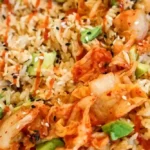
Viral Salmon and Rice Bowl
- Total Time: 7.5 minutes
- Yield: 2 servings 1x
- Diet: Pescetarian
Description
Inspired by Emily Mariko, this viral TikTok Salmon Rice Bowl is a quick and easy way to use leftover salmon and rice, resulting in a delicious, creamy, and savory meal.
Ingredients
- 1–2 cooked salmon filets (about 4 oz. each)
- 2 cups cooked rice
- 1 ice cube
- 1/2 avocado, diced
- 2 tbsp soy sauce
- 1–2 tbsp kewpie mayonnaise
- 2 tsp sriracha
- kimchi, to taste (optional)
- sesame seeds, to taste (optional)
- 12 roasted seaweed sheets (optional)
Instructions
- Prep: In a microwave-safe bowl, flake your cold salmon until it’s broken up into small pieces. Add your leftover rice right over the salmon and place one ice cube in the center, nestling it into the rice.
- Microwave: Cover the bowl with parchment paper or a paper plate and microwave on high for 2 to 2 1/2 minutes. Remove the bowl from the microwave and discard any remaining ice.
- Add: Add soy sauce, mayonnaise, and sriracha (if using) and mix with rice/salmon until combined.
- Finish: Top the dish with diced avocado and more mayonnaise, sriracha (optional), and soy sauce to taste. Sprinkle with sesame seeds if you like. Serve as-is or wrap in seaweed sheets.
Notes
If you cannot find Kewpie mayonnaise, regular mayonnaise works well. For the rice, cold day-old rice works best. You can substitute white rice with brown or cauliflower rice.
- Prep Time: 5 minutes
- Cook Time: 2.5 minutes
- Category: Dinner, Lunch
- Method: Microwaving
- Cuisine: Japanese-American Fusion
Nutrition
- Serving Size: 1 bowl
- Calories: 435 kcal
- Sugar: 1 g
- Sodium: 1154 mg
- Fat: 22 g
- Saturated Fat: 3 g
- Unsaturated Fat: 19 g
- Trans Fat: 0 g
- Carbohydrates: 32 g
- Fiber: 8 g
- Protein: 30 g
- Cholesterol: 72 mg
Keywords: TikTok salmon rice bowl, Emily Mariko, leftover salmon, quick lunch, viral recipe