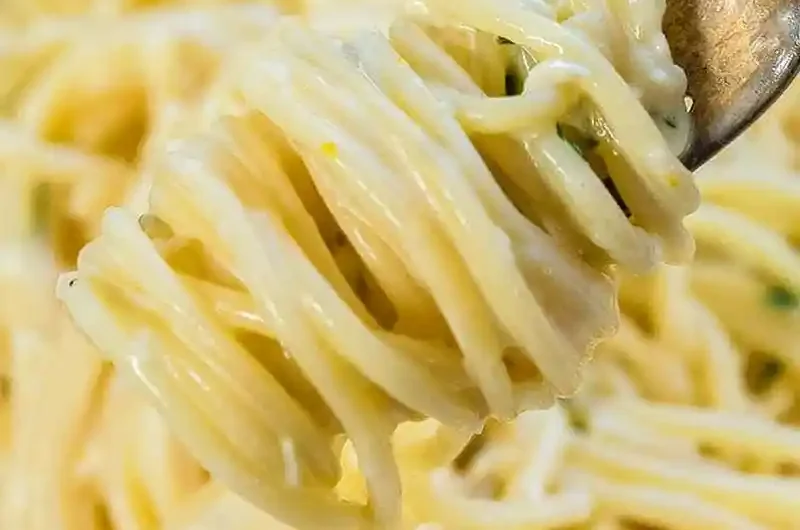
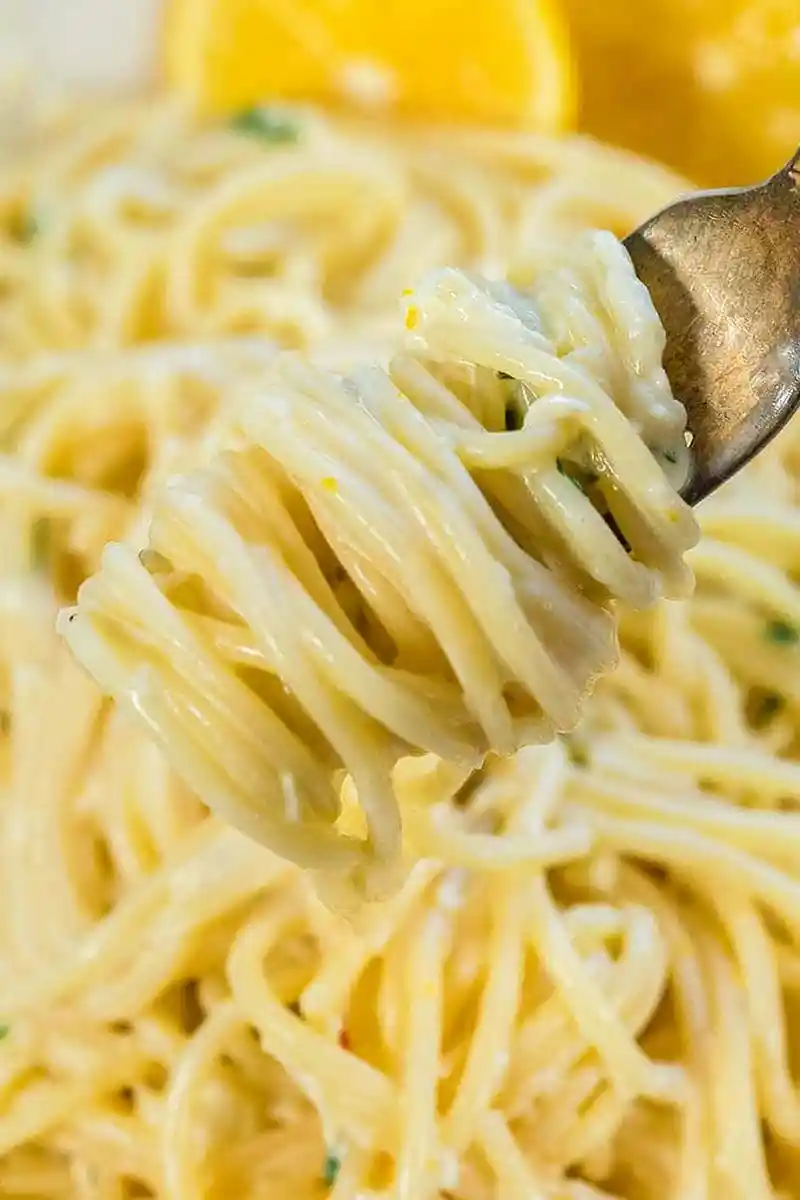
This quick pasta dish blends a rich garlic cream sauce with the bright tang of fresh lemon. It is a fast, high-flavor meal that comes together in just 20 minutes.
List of ingredients
- 13.5 oz package spaghetti – standard dried pasta noodles.
- 1/4 cup extra virgin olive oil – used for sautéing the garlic.
- 3 tablespoons chopped fresh garlic – minced finely for even distribution.
- 1/4 teaspoon red pepper flakes – provides a subtle heat.
- 1/2 teaspoon pepper – freshly ground black pepper.
- 3/4 cup whipping cream – creates the creamy base.
- 1/2 cup fresh lemon juice – ensures a bright, acidic finish.
- 1 tablespoon lemon zest – adds concentrated citrus aroma.
- 1 cup parmesan cheese – finely shredded for smooth melting.
- basil and fresh parsley – chopped for optional garnish.
- pasta water – reserved from the cooking pot to adjust sauce consistency.
step-by-step instructions
- Boil the Pasta: Start by boiling a large pot of salted water. Add the spaghetti and cook according to package instructions until just al dente, making sure to save a half cup of the pasta liquid before draining.
- Sauté the Aromatics: Place the chopped garlic in a large skillet over low heat with the olive oil. Add the red pepper flakes and black pepper, sautéing slowly for about 10 minutes without letting the garlic brown to avoid bitterness.
- Build the Cream Base: Stir in the lemon zest and whipping cream. Continue stirring consistently as the flavors combine and the sauce begins to thicken.
- Combine Sauce and Pasta: Turn off the heat and stir in the fresh lemon juice. Transfer the cooked noodles into the skillet and mix well, adding reserved pasta water if needed to achieve a creamy consistency.
- Final Touch: Fold in the shredded parmesan cheese and mix again until melted. Garnish with chopped parsley and basil.
Professional Cooking Techniques
Preventing Garlic Bitterness
Keep the heat on a low setting when sautéing the garlic. If the garlic browns or burns, it develops a bitter taste that can overpower the lemon. Slow cooking allows the oil to infuse with the garlic flavor without scorching.
Utilizing Starch for Emulsification
The reserved pasta water contains starch that helps bind the oil and cream together. Adding a splash of this liquid prevents the sauce from separating. It creates a smoother, more cohesive texture that clings to the noodles.
Optimizing Citrus Extraction
Use a microplane or fine grater to obtain the lemon zest. Avoid grating into the white pith, as this part of the peel is bitter. Zesting just before adding it to the pan preserves the volatile oils for maximum fragrance.
Achieving Perfect Al Dente Texture
Cook the pasta for one minute less than the package directions suggest. The noodles will continue to cook slightly as they are tossed in the hot sauce. This ensures the spaghetti maintains a firm bite rather than becoming mushy.
Ingredient Substitutions and Modifications
Using Meyer Lemons for Sweetness
Meyer lemons are naturally sweeter and less acidic than standard Lisbon or Eureka lemons. If using them, you may not need to adjust the sauce’s balance. They provide a floral note that complements the cream well.
Balancing Acidity with Natural Sweeteners
If standard lemons make the sauce too tart, add a quarter to a half teaspoon of honey or sugar. This neutralizes the sharp acidity without making the dish taste sweet. A small piece of unsalted butter can also mellow the tang.
Dairy-Free Cream Alternatives
Replace whipping cream with full-fat coconut milk or a cashew-based cream for a dairy-free version. Note that coconut milk may add a slight coconut flavor to the dish. Ensure the substitute is unsweetened to maintain the savory profile.
Alternative Hard Cheeses
If parmesan is unavailable, Pecorino Romano is a suitable replacement. Pecorino is saltier and tangier, so you should reduce the additional salt used in the pasta water. Grana Padano is another excellent option for a milder taste.
Protein Pairing Suggestions
Adding Pan-Seared Shrimp
Sauté peeled and deveined shrimp in a separate pan with olive oil and garlic until pink. Fold the cooked shrimp into the pasta at the very end of the process. This prevents the shrimp from becoming rubbery due to overcooking.
Incorporating Grilled Chicken Breast
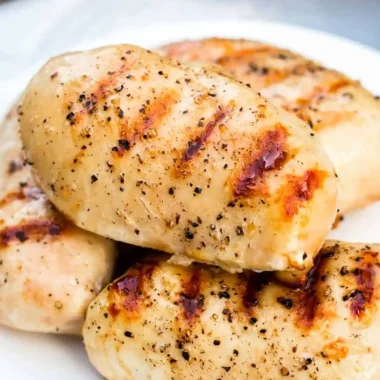
Slice grilled chicken breast into thin strips or bite-sized cubes. Toss the chicken with the pasta and sauce just before serving to keep the meat juicy. Season the chicken with salt and pepper to match the sauce’s profile.
Using Flaked Salmon Fillets
Pan-sear a salmon fillet until the skin is crisp and the center is cooked through. Gently flake the salmon into large chunks and fold them into the creamy pasta. The richness of the salmon pairs well with the acidity of the lemon.
Adding Sautéed Scallops
Sear large sea scallops in a high-heat skillet until a golden crust forms. Place the scallops on top of the plated pasta rather than mixing them in. This preserves the sear and keeps the scallops from breaking apart.
Vegetable Add-In Ideas
Adding Fresh Baby Spinach
Stir in two cups of fresh baby spinach during the final minute of mixing the pasta in the sauce. The residual heat will wilt the spinach without overcooking it. This adds color and nutrients to the meal.
Including Sautéed Asparagus Tips
Blanch or sauté asparagus tips separately until they are tender-crisp. Mix them in with the spaghetti and lemon sauce just before plating. The earthiness of asparagus balances the richness of the whipping cream.
Adding Sautéed Peas
Stir in frozen or fresh peas during the last step of the sauce thickening process. Peas add a pop of sweetness and texture that complements the garlic and parmesan. Ensure they are heated through before serving.
Incorporating Roasted Cherry Tomatoes
Roast cherry tomatoes with olive oil and salt until they burst. Fold them into the pasta at the end to add bursts of sweetness and acidity. These tomatoes provide a visual contrast to the creamy white sauce.
Serving and Presentation
Pairing with Fresh Green Salads
Serve this pasta with a simple arugula or mixed greens salad. A light vinaigrette made with lemon juice and olive oil mirrors the flavors of the main dish. This provides a refreshing contrast to the rich cream sauce.
Accompaniments of Garlic Bread
Pair the meal with toasted baguette slices topped with garlic butter and herbs. The crunch of the bread complements the softness of the pasta. It also serves as a tool to scoop up any remaining sauce on the plate.
Plating for Visual Appeal
Use tongs to twirl the pasta into a high mound in the center of the bowl. Garnish with a sprinkle of fresh parsley and a few thin slices of fresh lemon. A final dusting of parmesan cheese adds a professional finish.
Storage and Reheating Instructions
Refrigeration and Shelf Life
Store leftovers in an airtight container in the refrigerator for up to three to four days. The sauce will thicken and may separate as it cools. This is a normal reaction for cream-based sauces.
Stovetop Reheating Method
Place the pasta in a pan over medium-low heat. Add a tablespoon of water or extra cream to re-emulsify the sauce. Stir gently until the pasta is heated through and the sauce becomes creamy again.
Microwave Reheating Tips
Heat the pasta in short 30-second intervals, stirring in between. Add a small splash of milk or water before heating to prevent the noodles from drying out. Avoid overheating, as this can cause the cream sauce to break.
Troubleshooting Common Issues
Fixing a Curdled Sauce
If the sauce separates, heat a small amount of heavy cream in a separate pan until it reduces by half. Slowly whisk the curdled sauce into the reduced cream over low heat. This helps bind the fats and liquids back together.
Managing Sauce Thickness
If the sauce is too thick, stir in more reserved pasta water one tablespoon at a time. If it is too thin, simmer the sauce for an additional two minutes before adding the pasta. The starch in the water is key to controlling the viscosity.
Correcting Overly Acidic Flavor
When the lemon flavor is too dominant, stir in an extra tablespoon of parmesan cheese or a small pat of butter. The fats in the cheese and butter coat the palate and neutralize the sharp citric acid. A pinch of sugar is also effective.
Frequently Asked Questions
Can I use half-and-half instead of whipping cream?
Half-and-half has a lower fat content than whipping cream, which makes it more prone to curdling when exposed to lemon juice. For the most stable result, stick to whipping cream or heavy cream. If using half-and-half, keep the heat very low.
Is it necessary to use fresh lemon juice?
Freshly squeezed lemon juice provides a bright, clean flavor that bottled juice cannot replicate. Bottled versions often have a metallic aftertaste or preservatives. For the best results, always use fresh lemons.
Can this dish be made in advance?
The pasta can be cooked and the sauce prepared separately. Combine them just before serving to prevent the noodles from absorbing all the sauce. If pre-mixing, slightly undercook the pasta to avoid mushiness after reheating.
What is the best type of spaghetti for this recipe?
High-quality bronze-cut pasta is recommended because its rougher surface helps the creamy sauce adhere better. Standard spaghetti works well, but avoid using angel hair as it can overcook too quickly in the sauce.
Print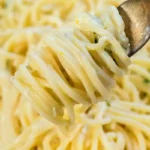
Zesty Creamy Lemon Garlic Spaghetti
- Total Time: 20 minutes
- Yield: 6–8 servings 1x
- Diet: Vegetarian
Description
Lemon spaghetti tossed in a light creamy lemon garlic pasta sauce. It’s bright, flavorful, and takes only 20 minutes to make!
Ingredients
- 13.5 oz package spaghetti
- 1/4 cup extra virgin olive oil
- 3 tablespoons chopped fresh garlic
- 1/4 teaspoon red pepper flakes
- 1/2 teaspoon pepper
- 3/4 cup whipping cream
- 1/2 cup fresh lemon juice
- 1 tablespoon lemon zest
- 1 cup parmesan cheese
- basil and fresh parsley for garnish (if desired)
- pasta water (add as needed)
Instructions
- Boil: Boil a large pot of salted water and cook pasta according to package instructions to just al dente. Save a half cup of the pasta liquid.
- Sauté: Sauté chopped garlic in olive oil over low heat for about 10 minutes with red pepper flakes and black pepper.
- Thicken: Add lemon zest and whipping cream, stirring until the sauce begins to thicken.
- Combine: Turn off the heat, stir in lemon juice, then transfer cooked noodles to the sauce and mix well, adding reserved pasta water if needed.
- Finish: Top with shredded parmesan cheese and garnish with parsley and chopped basil.
Notes
Use Meyer Lemons for a sweeter flavor. Ensure garlic is cooked on low heat to prevent burning. This pasta keeps for 3-4 days in an airtight container in the refrigerator; reheat with a splash of water or cream to restore creaminess.
- Prep Time: 10 minutes
- Cook Time: 10 minutes
- Category: Pasta
- Method: Stovetop
- Cuisine: Italian
Nutrition
- Serving Size: 1 serving
- Calories: 268 kcal
- Sugar: 4 g
- Sodium: 281 mg
- Fat: 24 g
- Saturated Fat: 10 g
- Unsaturated Fat: 14 g
- Trans Fat: 0 g
- Carbohydrates: 48 g
- Fiber: 3 g
- Protein: 7 g
- Cholesterol: 52 mg
Keywords: lemon garlic pasta, creamy pasta, 20 minute meal, vegetarian pasta, Italian dinner