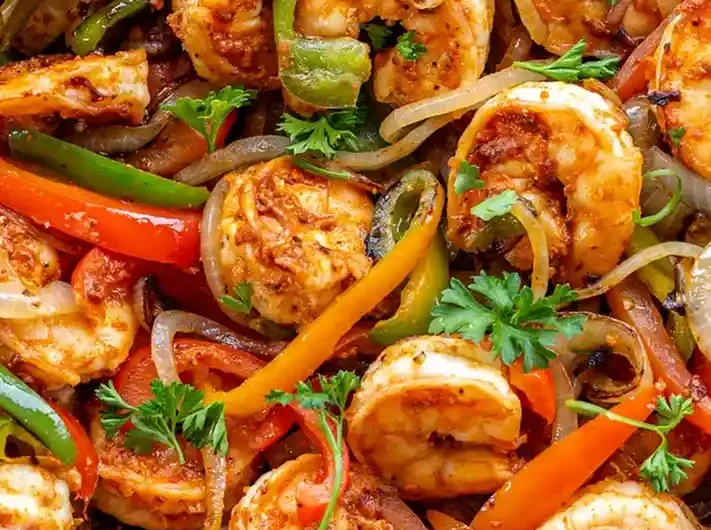
These one-pan shrimp fajitas deliver bold Tex-Mex flavor in under thirty minutes, making them the ultimate weeknight solution for busy households. By cooking the succulent shrimp and crisp-tender vegetables in a single skillet, you minimize cleanup while maximizing the depth of flavor in every bite.
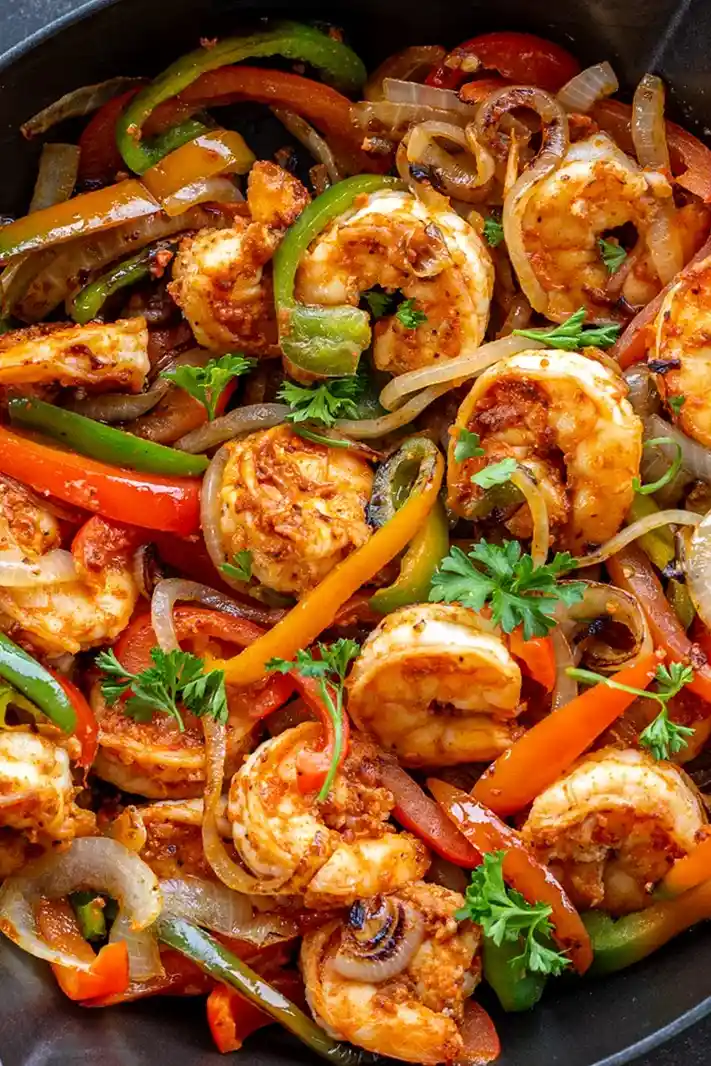
List of ingredients
- 2 lbs large shrimp, peeled & deveined
- 3 tbsp fajita seasoning
- 1 red bell pepper, julienned
- 1 green bell pepper, julienned
- 1 large yellow onion, sliced into half rings
- 2 tbsp oil (olive or avocado)
step-by-step instructions
- Season: Season shrimp with fajita seasoning.
- Cook Shrimp: Preheat your skillet with 1 tbsp of oil to medium-high. Add the shrimp and cook until light pink for about 3-5 minutes. Remove from the pan and set aside.
- Sauté Veggies: To the same pan, add 1 tbsp of oil and cook all the veggies until they are soft and slightly golden.
- Combine: Add shrimp back into the pan. Toss together and enjoy!
Refining Your Technique
Achieving The Perfect Sear
To get a professional-quality char on your shrimp, ensure the pan is truly hot before adding the protein. If the pan isn’t hot enough, the shrimp will steam in their own juices rather than searing, resulting in a rubbery texture instead of a plump, juicy finish. Patting the shrimp dry with paper towels before seasoning is another critical step to prevent excess moisture from entering the pan.
Balancing Vegetable Textures
For the most satisfying fajita experience, aim to slice your bell peppers and onions into uniform strips about a quarter-inch wide. This consistency ensures that all vegetables soften at the same rate, preventing some pieces from turning mushy while others remain raw. If you prefer a crisp-tender crunch, finish the cooking process slightly earlier, removing the pan from the heat while the peppers still hold a vibrant, glossy appearance.
Mastering Spice Distribution
Rather than sprinkling seasoning directly into the skillet, coating the shrimp in a bowl first allows for better adhesion and prevents the spices from burning in the hot oil. If you enjoy a more intense flavor, you can let the seasoned shrimp sit for fifteen minutes in the refrigerator before cooking, which allows the aromatics to penetrate the meat more effectively. Always ensure your fajita seasoning is fresh, as the volatile oils in ground spices degrade over time, leading to a duller flavor profile.
Customizing Your Fajita Experience
Exploring Flavor Substitutions
If you find that bell peppers are too sweet for your preference, consider incorporating poblano peppers for a deeper, earthier heat. For those who cannot consume standard fajita seasoning blends, you can easily substitute with a mix of cumin, smoked paprika, garlic powder, and onion powder to control the sodium levels. If you prefer a brighter citrus note, a squeeze of fresh lime juice right before serving cuts through the savory spices and adds a refreshing finish to the final dish.
Creative Ingredient Variations
You can bulk up this one-pan meal by adding sliced zucchini or portobello mushrooms, both of which absorb the seasoned oil and spices exceptionally well. While the recipe focuses on shrimp, these vegetable combinations serve as a fantastic vegetarian base if you ever decide to rotate proteins. If you desire more heat, tossing in thinly sliced jalapeño or serrano peppers during the final minute of sautéing will provide a persistent, manageable spice level that elevates the entire dish.
Serving Suggestions and Pairings
Classic Assembly Methods
The most traditional way to serve these fajitas is alongside a stack of warm, pliable flour tortillas. Keep the tortillas wrapped in a clean cloth towel to retain their heat and steam, which makes them easier to roll without tearing. Provide a selection of garnishes like cool sour cream, chunky guacamole, and a bright pico de gallo to allow guests to customize their own portions.
Healthy Burrito Bowl Options
For a lower-carb alternative, serve your seasoned shrimp and vegetables over a base of cauliflower rice or a bed of crisp shredded romaine lettuce. Top these bowls with a spoonful of black bean salsa, some crumbled cotija cheese, and a drizzle of creamy cilantro-lime dressing. This approach allows you to enjoy all the bold fajita flavors while maintaining a lighter, more nutrient-dense meal profile that is perfect for lunch or dinner.
Managing Leftovers and Storage
Storing Prepared Fajitas
If you have extra portions, allow the mixture to cool to room temperature before transferring it into an airtight container. Refrigerated shrimp fajitas will maintain their best quality for up to three days, provided the container is sealed tightly to prevent moisture loss. Keep the tortillas stored separately in their own bag, as they can become soggy if refrigerated alongside the moist filling.
Reheating Methods for Best Texture
When reheating, avoid the microwave if possible, as it often causes shrimp to become rubbery and tough. Instead, place the leftovers in a lightly oiled non-stick skillet over medium-low heat, stirring frequently until the shrimp are just heated through. If you must use the oven, spread the mixture onto a baking sheet and heat at 350°F for about eight minutes, which helps evaporate excess liquid and revives the charred flavor of the vegetables.
Addressing Common Cooking Issues
Preventing Watery Results
Shrimp release a significant amount of water when they hit the pan; if this liquid isn’t allowed to evaporate, your vegetables will stew rather than sauté. To combat this, always cook your shrimp in a single layer and remove them promptly, ensuring you don’t overcrowd the pan. If the skillet seems crowded, work in two smaller batches to guarantee that the heat remains high and the moisture evaporates quickly.
Solving Texture Problems
If your shrimp feel rubbery, they have likely been cooked for too long or at a temperature that was too high for too long. Shrimp cook rapidly; as soon as the gray, translucent flesh turns opaque and pink, they are ready to exit the heat. Remember that they will continue to carry-over cook slightly even after you remove them from the skillet, so pulling them just a few seconds early is often the best strategy for a succulent bite.
Frequently Asked Questions
Can I make these fajitas ahead of time?
You can definitely prep the vegetables and clean the shrimp ahead of time to save energy during the week. However, the cooking process is so fast—taking only twenty minutes—that it is usually best to cook the shrimp fresh just before eating. Freshly cooked shrimp have a far superior texture and aroma compared to those that have been cooked, cooled, and reheated.
What is the benefit of using large shrimp over smaller ones?
Larger or jumbo shrimp provide a better meat-to-shellfish ratio and are significantly more forgiving when exposed to high heat. Small shrimp tend to shrink drastically when cooked and are much easier to overcook in a busy kitchen environment. By selecting larger sizes, you ensure that the shrimp remain the star of the show and retain their natural, juicy snap.
Why is it important to remove the tails from the shrimp?
While some people leave tails on for presentation, removing them before cooking makes the fajitas much easier to eat, especially when wrapped in a tortilla. You don’t want to deal with pulling off tails while you are trying to enjoy a meal, so taking the extra few seconds during the preparation phase ensures a smoother, more enjoyable dining experience for everyone at the table.
Print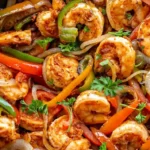
30 Minute Shrimp Fajitas (OnePan)
- Total Time: 30 minutes
- Yield: 6 servings 1x
- Diet: Pescatarian
Description
Are you craving Tex-Mex flavor but also want minimal clean up? These 30 minute one-pan shrimp fajitas are sure to make fajita night a weekly rotation.
Ingredients
- 2 lbs large shrimp, peeled & deveined
- 3 tbsp fajita seasoning
- 1 red bell pepper, julienned
- 1 green bell pepper, julienned
- 1 large yellow onion, sliced into half rings
- 2 tbsp oil (olive or avocado)
Instructions
- Season: Season shrimp with fajita seasoning.
- Cook Shrimp: Preheat your skillet with 1 tbsp of oil to medium-high. Add the shrimp and cook until light pink for about 3-5 minutes. Remove from the pan and set aside.
- Sauté Veggies: To the same pan, add 1 tbsp of oil and cook all the veggies until they are soft and slightly golden.
- Combine: Add shrimp back into the pan. Toss together and enjoy!
Notes
Ensure shrimp are fully thawed and patted dry before seasoning. For a sheet pan method, roast veggies at 425°F for 10 minutes, then add shrimp and cook for an additional 6-8 minutes.
- Prep Time: 10 minutes
- Cook Time: 20 minutes
- Category: Main Course
- Method: Stovetop
- Cuisine: Mexican
Nutrition
- Serving Size: 1 serving
- Calories: 167 kcal
- Sugar: 2 g
- Sodium: 959 mg
- Fat: 6 g
- Saturated Fat: 1 g
- Unsaturated Fat: 5 g
- Trans Fat: 0 g
- Carbohydrates: 6 g
- Fiber: 1 g
- Protein: 21 g
- Cholesterol: 191 mg
Keywords: shrimp fajitas, one-pan, tex-mex, dinner, quick meal