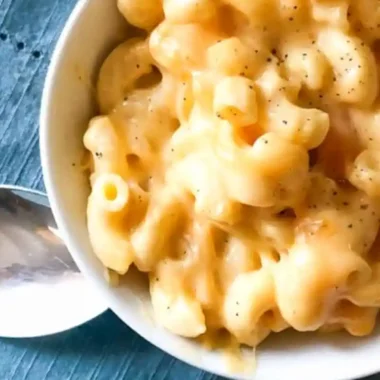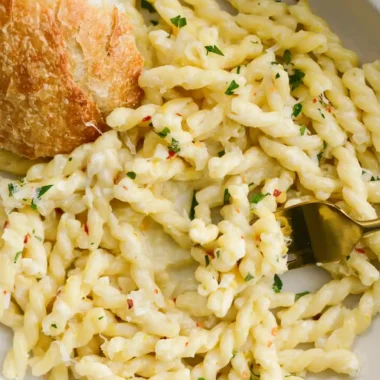
This creamy pasta dish combines four distinct cheeses with a rich marinara sauce for a restaurant-style meal. It is a quick recipe that comes together in under 30 minutes, making it ideal for a busy weeknight.
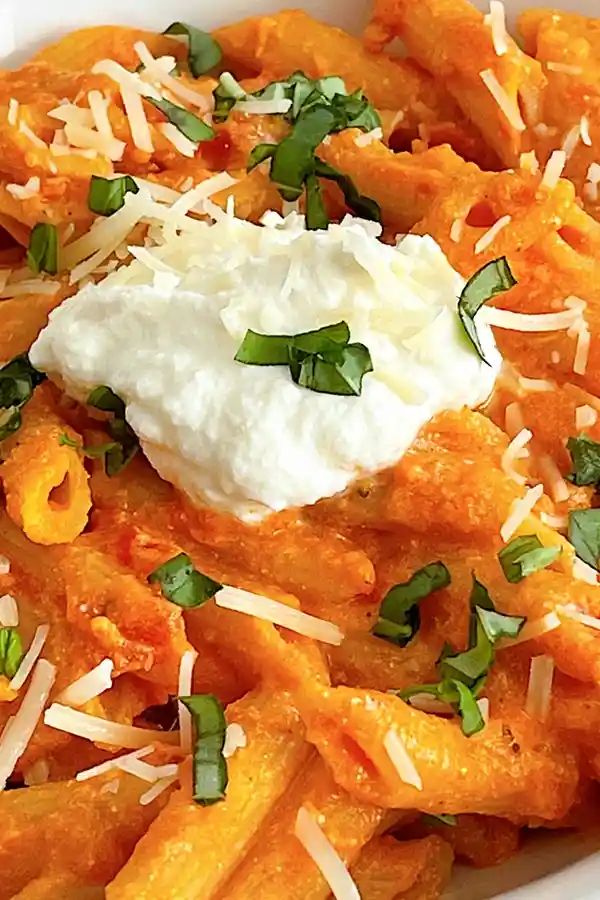
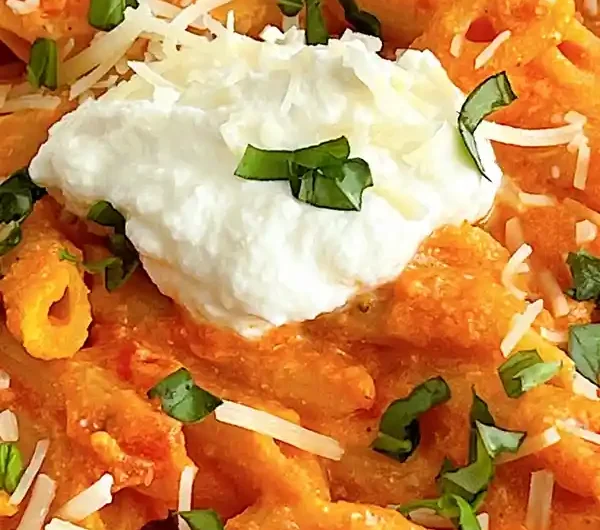
List of ingredients
- 16 ounces penne pasta – provides a sturdy base for the heavy sauce.
- 15 ounces ricotta cheese, divided – used both in the sauce and as a topping.
- 24 ounces marinara sauce – the primary flavor base.
- 1 egg – acts as a binder for the cheese mixture.
- 1/2 cup shredded mozzarella – adds stretch and creaminess.
- 1/2 cup shredded Italian blend cheese – provides a complex cheese flavor.
- 1/2 cup shredded parmesan cheese, divided – adds a salty, sharp finish.
- 2 tablespoons chopped fresh basil – adds a burst of herbal freshness.
- Salt and pepper – to season to your preference.
step-by-step instructions
- Boil the pasta: Cook the penne pasta al dente following the package directions. Drain the water and toss the noodles with a small amount of olive oil to prevent them from sticking together.
- Prepare cheese mixture: In a large mixing bowl, combine one cup of the ricotta cheese, the mozzarella, the Italian blend cheese, 1/4 cup of the parmesan, and the egg. Stir until well combined.
- Heat the sauce: Add the marinara sauce and the prepared cheese mixture to a large saucepan. Stir over medium-low heat until the cheeses have completely melted into a smooth sauce.
- Combine pasta and sauce: Stir the cooked penne into the melted cheese sauce. Ensure every piece of pasta is thoroughly coated in the mixture.
- Plating and garnish: Divide the pasta into six bowls. Top each serving with a dollop of the remaining ricotta cheese, a sprinkle of the remaining parmesan, and fresh chopped basil leaves.
Customizing Your Pasta Base
Choosing Alternative Pasta Shapes
While penne is the standard for this dish, other tubular pastas like rigatoni or ziti work equally well. These shapes have holes that trap the heavy cheese sauce, ensuring every bite is flavorful. Rotini is another great choice because its spirals hold onto the thicker ricotta mixture.
Adjusting Noodle Texture
Always aim for al dente, which means the pasta still has a slight bite. Since the pasta is stirred into a hot sauce and may sit for a few minutes, overcooking it in the water will lead to mushy results. Drain the pasta immediately once it reaches the desired firmness.
Using Whole Grain Options
For a heartier texture, you can substitute white penne with whole wheat or chickpea pasta. These options provide more fiber and protein but may require slightly longer cooking times. Be mindful that whole grain pasta absorbs more sauce, so you may need an extra splash of water or cream.
Cheese Selection and Substitutions
Replacing the Italian Blend
If you cannot find a pre-made Italian blend, you can create your own by mixing provolone, Romano, and fontina. This combination mimics the salty and creamy profile of the blend. Ensure the cheeses are shredded finely to facilitate faster melting in the saucepan.
Ricotta Alternatives for Texture
If you prefer a lighter sauce, you can substitute the ricotta with small-curd cottage cheese, though you should blend it first for a smoother consistency. For a richer, more decadent version, mascarpone cheese is an excellent substitute. Mascarpone is denser and creamier than ricotta, adding a luxurious feel to the marinara.
Using Freshly Grated Cheeses
Whenever possible, grate your mozzarella and parmesan from a block rather than buying pre-shredded bags. Pre-shredded cheeses are coated in potato starch or cellulose to prevent clumping, which can make the sauce slightly grainy. Freshly grated cheese melts more smoothly and integrates better into the sauce.
Dairy-Free Cheese Options
To make this dish vegan, replace all dairy cheeses with plant-based alternatives. Use an almond-based ricotta and a coconut-based mozzarella shred. You will also need to replace the egg with a tablespoon of cornstarch mixed with water to help bind the sauce.
Enhancing the Flavor Profile
Adding Lean Proteins
To turn this into a more substantial meal, stir in grilled chicken breast or sautéed shrimp. For the best results, cook the protein separately and fold it in during the final step. This prevents the meat from overcooking while the cheese sauce is melting.
Incorporating Fresh Vegetables
Fresh spinach or sautéed mushrooms add great nutritional value and texture to the dish. Stir in baby spinach at the very end; the residual heat from the pasta will wilt the leaves perfectly. Sautéed zucchini or bell peppers can be added for a bit of sweetness and crunch.
Adjusting the Heat Level
For those who enjoy a spicy kick, add a pinch of crushed red pepper flakes to the marinara sauce while it heats. You can also use a spicy arrabbiata sauce instead of a traditional marinara. This balances the richness of the four cheeses with a sharp, peppery contrast.
Fresh Herb Variations
While basil is the classic choice, fresh parsley or oregano can provide a different aromatic profile. Parsley adds a clean, grassy note, while oregano brings a more traditional Mediterranean scent. Always add fresh herbs at the end to preserve their bright color and flavor.
Pro Cooking Tips for Better Results
Preventing the Sauce from Breaking
Keep the heat on medium-low when melting the cheese into the marinara. If the temperature becomes too high, the fats in the cheese can separate from the solids, resulting in an oily sauce. Constant stirring is key to maintaining a stable emulsion.
Using Pasta Water for Consistency
If the sauce appears too thick after adding the pasta, stir in a tablespoon or two of the reserved pasta cooking water. The starch in the water helps the sauce cling to the noodles and loosens the texture. This is a professional trick to achieve a glossy, restaurant-quality finish.
The Role of the Egg in the Sauce
The egg acts as an emulsifier and thickener, ensuring the cheese and tomato sauce stay bonded together. It prevents the ricotta from becoming too watery as it heats up. Make sure the egg is well beaten into the cheese mixture before adding it to the pan.
Managing the Ricotta Topping
The dollop of cold ricotta on top provides a temperature and texture contrast to the hot, creamy pasta. Use a small spoon or a piping bag to place a neat mound of cheese in the center of each bowl. This keeps the presentation clean and professional.
Serving and Presentation Ideas
Complementary Side Dishes
Serve this heavy pasta with a light, crisp side to balance the richness. A chopped Italian salad with romaine, olives, and a vinaigrette is a perfect pairing. Alternatively, steamed broccoli or a side of sautéed kale provides a healthy, bitter contrast to the creamy cheese.
Bread Pairings for Dipping
Garlic bread or a toasted baguette is essential for scooping up any extra sauce left in the bowl. Rosemary focaccia also pairs well with the herbal notes of the basil. Brush your bread with olive oil and a pinch of sea salt before toasting for a simple, elegant accompaniment.
Plating for a Restaurant Experience
Use wide, shallow pasta bowls to showcase the colors of the red sauce and white ricotta. Garnish with a sprig of fresh basil on top of the ricotta dollop for a vertical element. A final dusting of parmesan cheese around the edges of the bowl adds a polished touch.
Family Style Serving
For a dinner party, transfer the finished pasta to a large ceramic platter instead of individual bowls. Place the ricotta dollops across the center of the pasta in evenly spaced intervals. This allows guests to serve themselves while maintaining the visual appeal of the toppings.
Storage and Preservation
Refrigeration Guidelines
Allow the pasta to cool to room temperature before transferring it to an airtight container. It will stay fresh in the refrigerator for up to four days. Keep the container tightly sealed to prevent the pasta from absorbing other odors from the fridge.
Freezing the Leftovers
This pasta can be frozen for up to three months if stored in freezer-safe bags or containers. Note that the ricotta may change texture slightly upon thawing, becoming a bit more grainy. To minimize this, freeze the pasta without the fresh basil garnish.
Optimal Reheating Methods
The best way to reheat this dish is on the stovetop over low heat. Add a splash of milk or heavy cream to the pan to restore the creaminess of the cheese. If using a microwave, heat in short bursts and stir in between to ensure even warming.
Managing Sauce Separation During Reheating
When reheating, you may notice the sauce separating slightly. Stirring vigorously while adding a small amount of liquid will re-emulsify the fats. Avoid overheating the pasta, as this can cause the cheese to become rubbery.
Common Troubleshooting
Fixing a Sauce That is Too Thick
If the cheese mixture becomes too dense, stir in a small amount of whole milk or heavy cream. Add the liquid one tablespoon at a time until the desired consistency is reached. This will smooth out the texture without diluting the flavor too much.
Addressing a Grainy Cheese Texture
Graininess usually occurs if the cheese was heated too quickly or if pre-shredded cheese was used. To fix this, you can pass the sauce through a fine-mesh strainer or use a hand blender for a few seconds. In the future, use a lower heat setting and fresh cheese.
Preventing Overcooked Pasta
If you find your pasta is too soft, try reducing the boiling time by one to two minutes. Since the pasta continues to cook slightly when mixed with the hot sauce, undercooking it slightly in the water is the best strategy. This ensures the final result is perfectly al dente.
Dealing with Bland Flavor
If the dish tastes flat, add a pinch of salt or a squeeze of fresh lemon juice. The acidity of the lemon cuts through the heaviness of the four cheeses and brightens the marinara. Freshly cracked black pepper also adds a depth of flavor that enhances the ricotta.
Frequently Asked Questions
Can I make this ahead of time?
Yes, you can prepare the pasta and sauce up to one day in advance. Store the mixture in the refrigerator and reheat it on the stovetop with a little extra milk. Add the fresh basil and the ricotta dollops just before serving to keep them fresh.
Which marinara sauce works best?
A high-quality marinara with a balance of garlic and herbs is ideal. Avoid sauces that are overly sweet, as they can clash with the salty parmesan and romano cheeses. A simple tomato and basil sauce provides the cleanest flavor profile for this recipe.
Can I reduce the amount of cheese?
You can reduce the amount of ricotta or mozzarella, but be aware that this will change the signature creaminess of the dish. If you reduce the cheese, you may want to add a bit of cream to the marinara to maintain a smooth consistency.
Is the egg necessary in the sauce?
The egg is important for the structure of the sauce, preventing the cheeses from separating when heated. If you choose to omit it, the sauce will be slightly thinner and may not cling to the pasta as effectively. You can use a tablespoon of cornstarch slurry as a replacement binder.
Print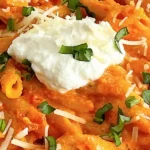
Creamy Four Cheese Penne Copycat
- Total Time: 25 minutes
- Yield: 6 servings 1x
- Diet: General
Description
The Cheesecake Factory’s Four Cheese Pasta is a delicious and easy-to-make pasta dish that can be made right in your own kitchen! With just a few simple ingredients, you can recreate the classic dish that is a favorite at The Cheesecake Factory and customize it to your own tastes!
Ingredients
- 16 Ounces Penne Pasta
- 15 Ounces Ricotta Cheese
- 24 Ounces Marinara Sauce
- 1 Egg
- 1/2 Cup Mozzarella (shredded)
- 1/2 Cup Italian Blend Cheese (shredded)
- 1/2 Cup Parmesan Cheese (shredded)
- 2 Tablespoons Fresh Basil (chopped)
- Salt & Pepper (to taste)
Instructions
- Step: Cook the pasta al dente according to the package instructions. Drain the water and toss with a little olive oil to keep the pasta from sticking together.
- Step: In a large mixing bowl, combine one cup ricotta cheese, mozzarella, Italian Cheese Blend, 1/4 cup of parmesan, and egg.
- Step: Add the marinara sauce and cheese mixture to a large sauce pan and stir over medium-low heat until the cheese has melted.
- Step: Stir the cooked pasta into the sauce and melted cheese until it is covered in sauce.
- Step: Divide into 6 bowls and top with a dollop of the remaining ricotta cheese. Garnish with the remaining parmesan cheese and chopped fresh basil leaves.
Notes
This recipe can be modified with different pasta shapes, vegetables, or additional herbs. When reheating leftovers, add a splash of milk or cream to maintain the sauce’s creaminess.
- Prep Time: 5 minutes
- Cook Time: 20 minutes
- Category: Main Dish
- Method: Stovetop
- Cuisine: Italian
Nutrition
- Serving Size: 1 serving
- Calories: 390 kcal
- Sugar: 7 g
- Sodium: 970 mg
- Fat: 16 g
- Saturated Fat: 8 g
- Unsaturated Fat: 8 g
- Trans Fat: 0 g
- Carbohydrates: 39 g
- Fiber: 4 g
- Protein: 22 g
- Cholesterol: 77 mg
Keywords: cheesecake factory copycat recipes, cheesecake factory four cheese pasta recipe, cheesecake factory pasta recipe, cheesecake factory recipes, creamy pasta, delicious four-cheese pasta, deliciously cheesy pasta, four cheese pasta cheesecake factory recipe, four-cheese pasta recipe, marinara sauce, penne pasta