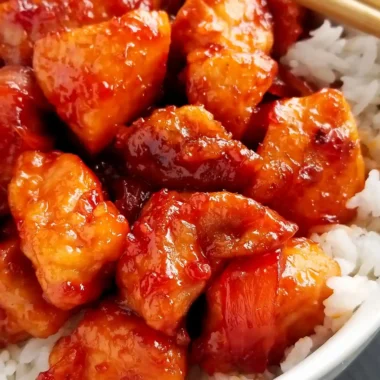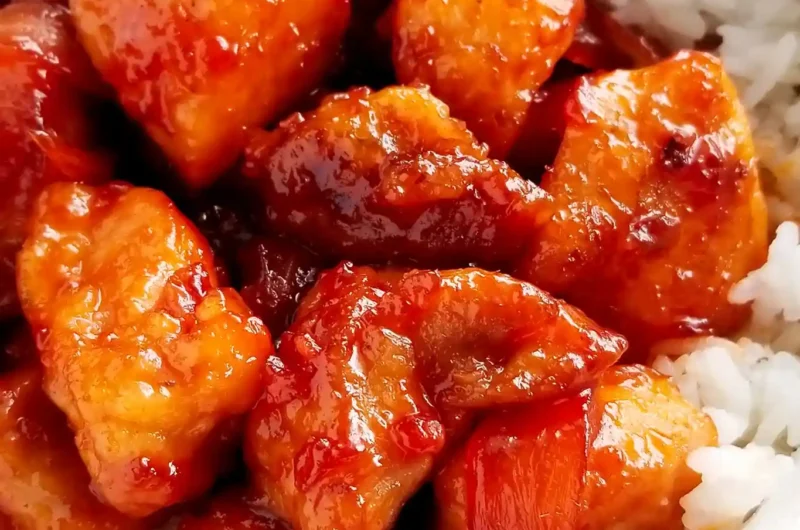
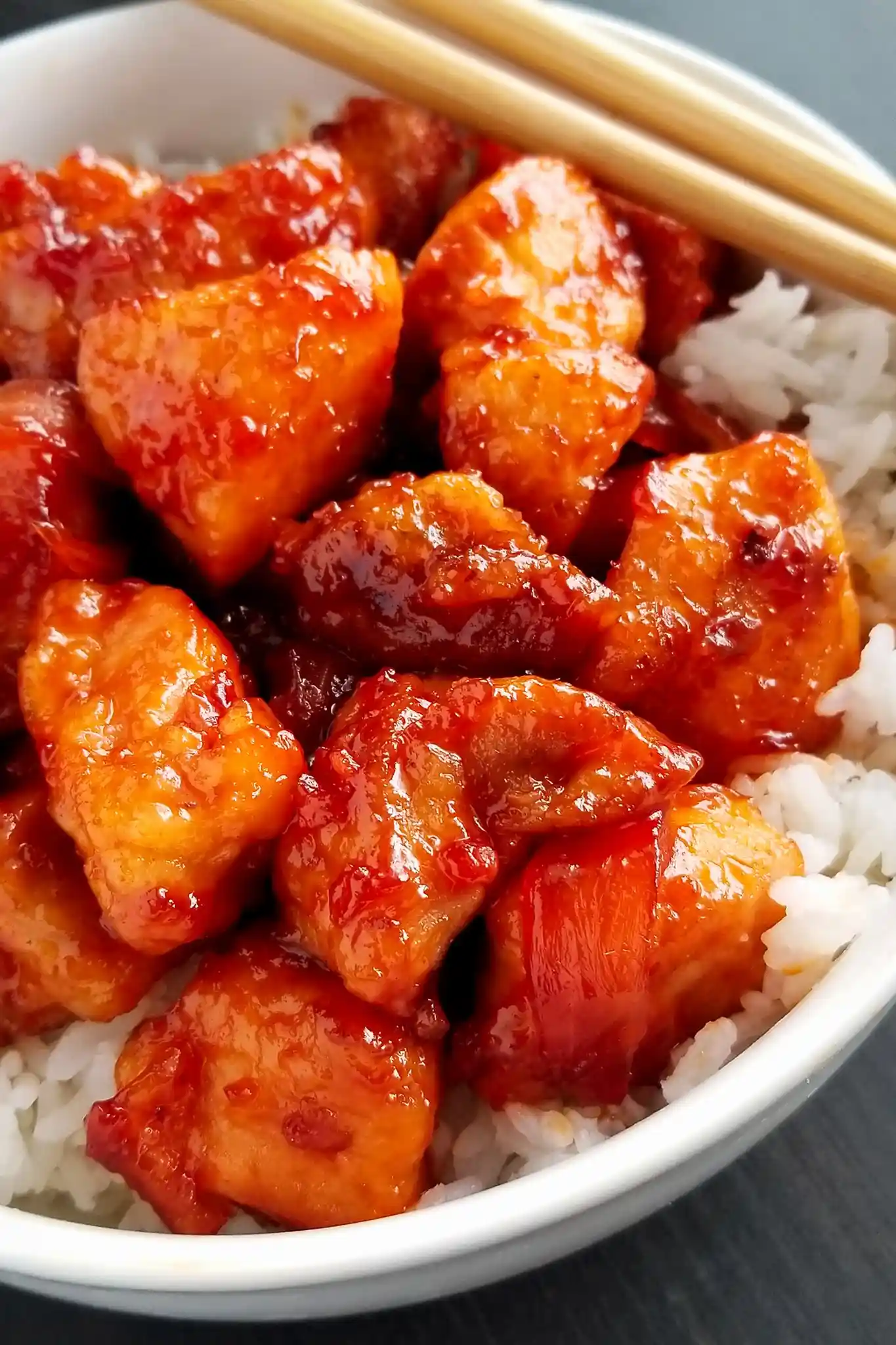
This recipe delivers a restaurant-quality sweet and sour chicken featuring a perfectly crisp exterior and a vibrant, tangy glaze. It is a balanced meal that combines savory chicken thighs with the sweetness of caramelized onions.
List of ingredients
- 1.5-2 lbs boneless, skinless chicken thighs – cubed into bite-sized pieces for even cooking.
- 1/4 cup cornstarch – used to create a light, crispy coating.
- 1 large egg – beaten to help the cornstarch adhere to the chicken.
- 3 tbsp oil – a neutral oil like vegetable or canola for high-heat frying.
- 1/2 cup apple cider vinegar – provides the essential tangy sour base for the sauce.
- 1/4 cup white sugar – adds a clean, sharp sweetness.
- 2 tbsp brown sugar – adds depth of flavor and a richer caramel note.
- 1/4 cup ketchup – helps thicken the sauce and adds a tomato-based sweetness.
- 1 garlic clove – minced finely to infuse the sauce with aromatic flavor.
- 2 tbsp soy sauce – provides a savory, salty contrast to the sugars.
- 1/4 cup water – used to adjust the consistency of the sauce.
- 3 drops plant-based red food coloring – optional, for a traditional bright red appearance.
- 1/2 yellow onion – cut into 1-inch slices for texture and sweetness.
step-by-step instructions
- Prepare the chicken coating: Place the cubed chicken thighs in a large mixing bowl. Toss the meat thoroughly until every piece is fully coated in cornstarch. In a separate small bowl, whisk the egg until smooth, then pour it over the chicken and toss gently to ensure an even coating.
- Simmer the sauce: Combine the apple cider vinegar, white sugar, brown sugar, ketchup, minced garlic, soy sauce, water, and plant-based food coloring in a small saucepan over medium heat. Whisk the ingredients together and add the sliced onions. Bring the mixture to a simmer and cook until the sauce has reduced to approximately half its original volume.
- Fry the chicken: Heat a large skillet over medium-high heat and add the oil. Carefully place the coated chicken pieces in the pan in a single, even layer. Let the chicken cook undisturbed until the bottoms are golden brown, then flip the pieces and break apart any that have stuck together. Continue cooking until all sides are golden and crispy.
- Combine and glaze: Increase the skillet heat to high. Slowly pour the reduced onion sauce over the fried chicken while stirring constantly. Continue to stir-fry until the sauce has thickened and completely coated every piece of chicken.
- Plate the dish: Remove from heat and serve the chicken immediately. This dish pairs best over a bed of steamed white rice or alongside a side of steamed vegetables.
Pro Tips for Better Results
Ensure Chicken is Dry Before Coating
Pat the chicken thighs dry with paper towels before adding cornstarch. This prevents the coating from becoming gummy and ensures the cornstarch clings tightly to the meat for a crispier finish.
Avoid Overcrowding the Pan
Fry the chicken in batches if your skillet is small. Overcrowding lowers the pan temperature, which causes the chicken to steam rather than sear, resulting in a soft rather than crispy exterior.
Maintain High Heat for the Final Glaze
When adding the sauce to the pan, keep the heat on high. This allows the sugars in the sauce to caramelize quickly and thicken, ensuring the glaze clings to the chicken without making it soggy.
Use a Heavy-Bottomed Skillet
A cast iron or heavy stainless steel skillet distributes heat more evenly than thin pans. This prevents hot spots and ensures the chicken browns uniformly across the entire surface.
Ingredient Substitutions
Using Chicken Breast Instead of Thighs
You can substitute boneless, skinless chicken breasts for thighs if preferred. Be careful not to overcook them, as breast meat dries out faster than thighs and requires a shorter frying time.
Alternative Vinegar Options
If apple cider vinegar is unavailable, white distilled vinegar is a suitable replacement. White vinegar provides a sharper tang, so you may want to add an extra pinch of brown sugar to balance the acidity.
Replacing Refined Sugars
Honey or maple syrup can be used in place of white and brown sugar. Note that these liquid sweeteners may change the sauce’s viscosity, so you might need to reduce the water slightly.
Soy Sauce Alternatives
Coconut aminos can be used as a soy-free alternative. Coconut aminos are naturally sweeter and lower in sodium, so adjust the sugar levels in the recipe accordingly.
Plant-Based Color Alternatives
For a natural red hue without artificial dyes, a small amount of beet powder or extra tomato paste can be used. While the color will be more orange than bright red, the flavor remains authentic.
Recipe Variations
Adding Fresh Pineapple Chunks
Add 1 cup of fresh pineapple chunks to the sauce during the simmering process. The fruit adds a tropical sweetness and a juicy texture that complements the sour notes of the vinegar.
Incorporating Red and Green Bell Peppers
Sauté sliced red and green bell peppers along with the onions. This adds a vibrant color to the dish and a mild, earthy sweetness that balances the rich glaze.
Adding Fresh Ginger for Zest
Grate one teaspoon of fresh ginger into the sauce mixture. Ginger adds a warm, spicy undertone that enhances the overall aromatic profile of the Chinese-style sauce.
Increasing the Heat with Chili Flakes
Stir in a half-teaspoon of red chili flakes or a tablespoon of Sriracha when combining the sauce and chicken. This introduces a spicy kick that cuts through the sweetness of the glaze.
Topping with Toasted Sesame Seeds
Garnish the finished dish with a sprinkle of toasted sesame seeds. This provides a subtle nutty flavor and a professional visual touch to the plated meal.
Serving and Pairing Ideas
Steamed Jasmine or Basmati Rice
Serving this chicken over fluffy jasmine rice is the classic choice. The neutral flavor of the rice absorbs the excess sauce, ensuring no part of the glaze goes to waste.
Fresh Steamed Broccoli or Bok Choy
Pair the meal with steamed broccoli or baby bok choy for a nutritional balance. The bitterness of the greens cuts through the richness of the fried chicken and sweet sauce.
Side of Asian Cucumber Salad
A chilled cucumber salad with rice vinegar and sesame oil provides a refreshing contrast. The cool temperature and crisp texture of the cucumbers cleanse the palate between bites.
Serving with Chow Mein Noodles
For a more filling meal, serve the chicken atop stir-fried chow mein noodles. The savory noodles provide a hearty base that complements the tangy chicken glaze.
Storage and Preservation
Proper Refrigeration Methods
Store leftovers in an airtight container in the refrigerator. Ensure the chicken has cooled slightly before sealing to prevent excess steam from making the coating soggy.
Safe Freezing Techniques
While the chicken can be frozen, the texture of the breading will change. Freeze the cooked chicken and sauce together in a freezer-safe bag for up to two months.
Maximum Storage Duration
Refrigerated sweet and sour chicken is best consumed within three to four days. After this period, the sauce may begin to separate and the chicken will lose its structural integrity.
Reheating Instructions
Using the Oven for Maximum Crispiness
Preheat the oven to 350 degrees Fahrenheit and place the chicken on a wire rack over a baking sheet. Heat for 10 minutes to restore as much of the original crispiness as possible.
Quick Microwave Reheating
Place the chicken in a microwave-safe dish and heat on medium power in 30-second intervals. Be aware that this method will soften the coating significantly compared to oven heating.
Stovetop Reheating Method
Add a teaspoon of oil to a skillet over medium heat. Gently toss the chicken until heated through, which helps re-crisp the edges without overcooking the meat.
Make-Ahead Guidance
Preparing the Sauce in Advance
The sauce can be made up to three days ahead of time. Store it in a jar in the fridge and simply reheat it in a saucepan before adding it to the fried chicken.
Pre-cutting and Prepping Chicken
Cube the chicken and store it in a sealed container the night before. This saves time during the cooking process, though you should only apply the cornstarch and egg immediately before frying.
Slicing Onions Ahead of Time
Slice the yellow onions and keep them in a container with a damp paper towel. This prevents the onions from drying out and keeps them ready for the simmering stage.
Cooking Troubleshooting
Fixing a Sauce That is Too Thin
If the sauce is too runny after simmering, mix one teaspoon of cornstarch with a tablespoon of water. Stir this slurry into the simmering sauce and cook for one minute until thickened.
Addressing Chicken That Sticks to the Pan
If the chicken sticks, it usually means the oil was not hot enough or the pan was overcrowded. Use a flexible spatula to gently lift the pieces once a crust has naturally formed.
Managing Burnt Sugar in the Sauce
If the sauce smells burnt, it is likely due to too high a heat during the reduction phase. Start the sauce over, as burnt sugar creates a bitter taste that cannot be masked.
Fixing an Overly Sour Taste
If the vinegar is too dominant, stir in a small amount of extra brown sugar or honey. Add the sweetener in half-teaspoon increments and taste until the balance is achieved.
Frequently Asked Questions
Is this dish naturally spicy?
No, this recipe is sweet and tangy rather than spicy. If you prefer heat, you can add chili flakes or spicy oil during the final stir-fry step.
Can I use a different oil for frying?
Yes, any neutral oil with a high smoke point will work. Avocado oil, grapeseed oil, and peanut oil are excellent alternatives to vegetable oil.
How do I keep the chicken from sticking together?
Ensure you toss the chicken well in the egg and cornstarch mixture so there are no clumps. When frying, place the pieces in the pan with space between them and avoid stirring too frequently.
Can I use chicken breast instead of thighs?
Yes, but be mindful of the cooking time. Chicken breast is leaner and cooks faster, so reduce the frying time to avoid drying out the meat.
Do I have to use red food coloring?
No, the food coloring is purely for visual appeal. The sauce will naturally be a deep reddish-orange color from the ketchup and brown sugar.
Print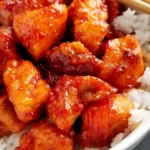
Crispy Sweet and Sour Chicken with Caramelized Onions
- Total Time: 30 minutes
- Yield: 4 servings 1x
- Diet: General
Description
Takeout style Chinese chicken recipe made with crispy chicken and caramelized onions in a delicious sweet and sour sauce.
Ingredients
- 1.5–2 lbs chicken thighs (boneless, skinless)
- 1/4 cup cornstarch
- 1 egg
- 3 tbsp oil
- 1/2 cup apple cider vinegar
- 1/4 cup white sugar
- 2 tbsp brown sugar
- 1/4 cup ketchup
- 1 garlic clove (minced)
- 2 tbsp soy sauce
- 1/4 cup water
- 3 drops plant-based red food coloring (optional)
- 1/2 yellow onion (cut into 1″ slices)
Instructions
- Step: Add cubed chicken thighs to a large bowl. Toss to fully coat the chicken in cornstarch. In a small bowl, whisk the egg. Pour egg mixture over the chicken and gently toss to fully coat.
- Step: In a small saucepan over medium heat, add all sauce ingredients and whisk to fully mix. Add sliced onion and bring to a simmer until sauce reduces to about half.
- Step: In the meantime, heat a large skillet to medium-high heat and add the oil. Gently add chicken in an even layer to the hot pan. Let cook undisturbed until bottoms are nice and golden. Then, flip chicken over, breaking apart any pieces that are sticking together. Continue cooking until bottoms are golden.
- Step: Turn up the heat on the chicken skillet to high heat and slowly begin adding sauce while stir frying until all sauce is incorporated.
- Step: Serve chicken immediately over steamed rice or with steamed vegetables.
Notes
Serve over steamed white rice with a little sriracha, or with steamed vegetables or homemade chow mien.
- Prep Time: 5 minutes
- Cook Time: 25 minutes
- Category: Main Course
- Method: Stir frying
- Cuisine: Asian
Nutrition
- Serving Size: 1 serving
- Calories: 517 kcal
- Sugar: 23 g
- Sodium: 882 mg
- Fat: 23 g
- Saturated Fat: 4 g
- Unsaturated Fat: 17 g
- Trans Fat: 0.1 g
- Carbohydrates: 32 g
- Fiber: 0.4 g
- Protein: 42 g
- Cholesterol: 388 mg
Keywords: sweet & sour chicken, sweet and sour chicken, sweet and sour sauce