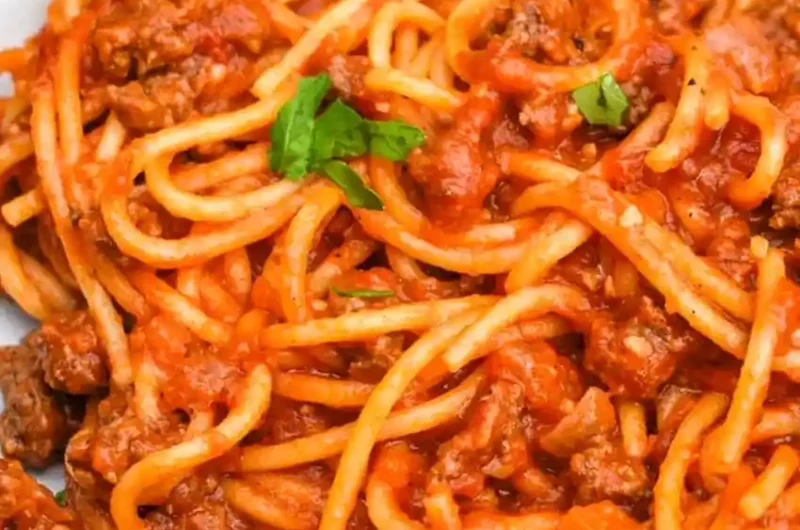
This one-pot spaghetti recipe simplifies your evening by cooking the pasta directly in a flavorful sauce. It reduces cleanup and ensures the noodles absorb maximum taste in under 30 minutes.
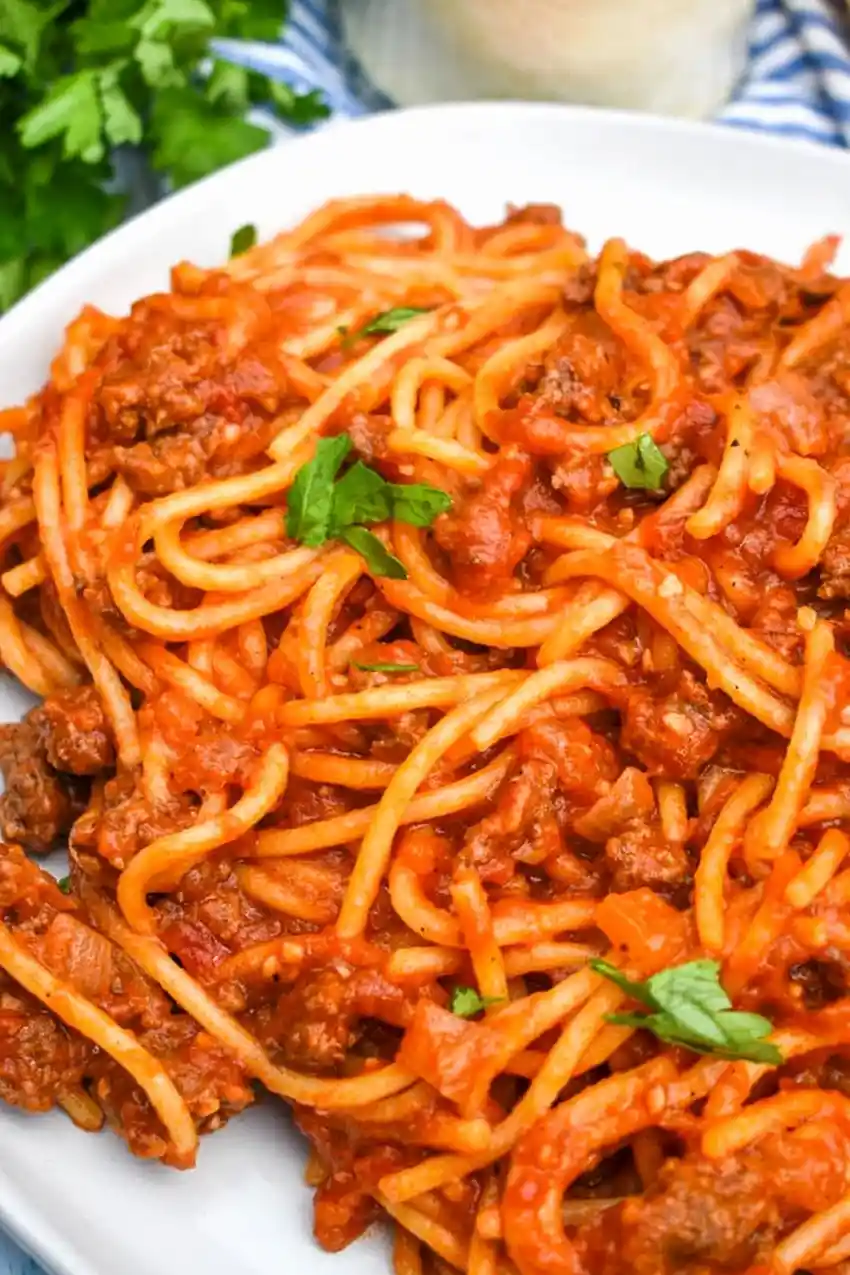
List of ingredients
- 1 lb ground beef or beef sausage – provides a hearty, savory base.
- 1 onion, diced – adds aromatic flavor and sweetness.
- 2 tbsp garlic, minced – delivers a pungent, classic Italian taste.
- 1 3/4 cup chicken broth – helps cook the pasta and adds depth.
- 3 1/4 cup spaghetti sauce – the primary liquid and flavoring agent.
- 1/2 cup water – ensures there is enough liquid to hydrate the noodles.
- 8 oz spaghetti – the main starch, usable whole or broken.
- 1/4 cup grated parmesan – provides a salty, cheesy finish.
step-by-step instructions
- Brown the meat: In a Dutch oven or a large pot, cook the ground beef or beef sausage with the diced onion until the meat is browned. Drain the excess fat to keep the sauce light.
- Sauté the garlic: Add the minced garlic to the pot and cook for about one minute until it becomes fragrant. Avoid overcooking the garlic to prevent bitterness.
- Boil the liquids: Stir in the chicken broth, spaghetti sauce, and water. Increase the heat and bring the mixture to a full boil.
- Add the pasta: Carefully add the spaghetti noodles to the boiling liquid and immediately reduce the heat.
- Simmer and cook: Cover the pot and cook for 17-20 minutes, or until the noodles are al dente. Stir occasionally to ensure the pasta does not stick to the bottom. Add a small amount of water if the sauce thickens too quickly.
- Final touch: Stir in the grated parmesan cheese until melted and well incorporated before serving.
Meat Selection and Substitutions
Using Lean Ground Beef
Using ground beef with a lower fat percentage, such as 90/10, results in a cleaner sauce. If you use a higher fat blend, ensure you drain the pot thoroughly after browning to avoid an oily film on the pasta.
Substituting Ground Turkey
Ground turkey is a leaner alternative that works well in this recipe. Because turkey has less natural fat, you may need to add a tablespoon of olive oil to the pot before browning the meat and onions.
Incorporating Beef Sausage
For a more complex flavor profile, replace the ground beef with mild or spicy beef sausage. This adds pre-seasoned herbs and spices to the dish, which complements the tomato sauce effectively.
Pasta Preparation and Variety
Breaking the Spaghetti Noodles
Breaking the noodles in half before adding them to the pot makes stirring much easier. This technique prevents the pasta from clumping together and ensures every piece is submerged in the liquid.
Cooking Noodles Whole
If you prefer long, whole strands of pasta, you can add them without breaking. However, you will need to stir more frequently and press the noodles down into the sauce to ensure they cook evenly.
Adjusting for Different Pasta Shapes
While spaghetti is traditional, you can use penne or rotini. Be aware that thicker pasta shapes may require an additional 2-5 minutes of simmering time and slightly more broth to prevent dryness.
Liquid Management and Ratios
The Purpose of Chicken Broth
Chicken broth provides a savory foundation that water alone cannot offer. The salt and umami in the broth penetrate the pasta as it cooks, resulting in a more professional taste.
Using Vegetable Broth Alternatives
For those who prefer a different flavor profile, vegetable broth is an excellent substitute. It maintains the necessary liquid volume while adding a subtle garden sweetness to the sauce.
Adjusting Water Levels During Cooking
Depending on the heat of your stove, the liquid may evaporate at different rates. If the sauce appears too thick before the noodles are tender, stir in an extra 1/4 cup of water.
Enhancing the Sauce Flavor
Adding Fresh Garden Herbs
Stirring in fresh basil or chopped parsley at the very end adds a burst of color and freshness. Dried oregano can be added during the boiling phase for a more integrated, earthy flavor.
Balancing Acidity with Vegetables
If your chosen spaghetti sauce is too acidic, add finely diced carrots during the onion sauté. The natural sugars in the carrots help neutralize the tanginess of the tomatoes.
Incorporating Extra Aromatics
Adding a pinch of red pepper flakes with the garlic provides a subtle heat. This is a great way to customize the spice level of the dish to suit your family’s preference.
Vegetable Additions for Nutrition
Adding Diced Bell Peppers
Bell peppers add sweetness and a crunch to the texture. Sauté them along with the onions and ground beef to ensure they are tender by the time the pasta is finished.
Integrating Fresh Spinach
Baby spinach can be stirred into the pot during the last two minutes of cooking. The residual heat will wilt the leaves perfectly without overcooking them.
Adding Sliced Mushrooms
Mushrooms provide a meaty texture and deep flavor. Brown them with the beef and onions to allow their moisture to evaporate, concentrating their taste before the liquids are added.
Serving and Pairing Suggestions
Pairing with Garlic Bread
Toasted garlic bread is the perfect accompaniment for soaking up the remaining sauce. Use a crusty baguette brushed with garlic butter and toasted in the oven until golden.
Serving with a Crisp Side Salad
A fresh green salad with a light vinaigrette balances the richness of the cheesy pasta. Mix romaine, cucumbers, and cherry tomatoes for a refreshing contrast.
Garnishing for Presentation
Finish the dish with a sprinkle of fresh parmesan cheese and a leaf of basil on top. This makes a simple weeknight meal look like a restaurant-quality entree.
Storage and Preservation
Refrigeration Guidelines
Store leftovers in an airtight container in the refrigerator for up to two days. Because the pasta is cooked in the sauce, it tends to absorb more liquid over time and may thicken significantly.
Avoiding Soggy Pasta
To prevent the pasta from becoming overly mushy, avoid storing it for more than 48 hours. If you plan to keep it longer, consider undercooking the pasta by one minute before the initial storage.
Freezing Leftovers
While this dish can be frozen, the texture of the spaghetti may change. It is best to freeze the sauce and meat separately and boil fresh pasta when you are ready to eat.
Reheating Best Practices
Stovetop Reheating Method
Reheat the pasta in a small pan over medium-low heat. Add a splash of water or beef broth to loosen the sauce and restore the original creamy consistency.
Microwave Reheating Tips
Place the spaghetti in a microwave-safe dish and cover it with a damp paper towel. Heat in 30-second intervals, stirring in between, to ensure the heat is distributed evenly.
Preventing Overcooking During Reheat
Heat the pasta only until it is warmed through. Overheating the spaghetti can lead to a mushy texture, as the starches continue to break down during the second heating process.
Make-Ahead Strategies
Pre-Browning the Meat
You can brown the beef, onions, and garlic a day in advance and store them in the fridge. When you are ready to cook, simply add the pre-cooked mixture to the pot and proceed with the liquids.
Preparing the Sauce Base
Combine the broth, spaghetti sauce, and water in a jar and keep it chilled. This saves time on measuring and mixing during the actual cooking process.
Pre-Dicing Aromatics
Dice your onions and mince your garlic over the weekend. Store them in small containers to reduce your active prep time on busy weeknights.
Troubleshooting Common Issues
Pasta is Too Mushy
If the noodles are overcooked, you may have simmered them for too long or used a pot with too much lid-seal. Reduce the cooking time by 2 minutes in your next attempt.
Sauce is Too Thin
If the sauce is watery after the cooking time is up, simmer the pot uncovered for 3-5 minutes. This allows excess moisture to evaporate, thickening the sauce naturally.
Meat is Not Browned Enough
Ensure the pot is sufficiently hot before adding the meat. If the meat steams instead of browning, you may have overcrowded the pan or used heat that was too low.
Frequently Asked Questions
Can I use whole wheat spaghetti?
Yes, you can use whole wheat pasta, but be aware that it typically requires a few more minutes of cooking time and slightly more liquid than white pasta.
Can I substitute the parmesan cheese?
Pecorino Romano is a great substitute for a saltier flavor, while shredded mozzarella can be used for a stretchier, milder cheese experience.
Is a Dutch oven required for this recipe?
A Dutch oven is ideal because of its heat retention, but any large, heavy-bottomed pot with a tight-fitting lid will work perfectly.
Can I use a different type of broth?
Beef broth is a wonderful alternative that provides a deeper, more robust flavor. Vegetable broth also works well for those who prefer a lighter taste.
How do I know when the pasta is al dente?
The pasta should be tender but still have a slight firmness or “bite” in the center. Test a noodle by tasting it 2 minutes before the timer goes off.
Print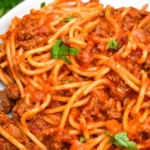
Easy One Pot Spaghetti Dinner
- Total Time: 25 minutes
- Yield: 6 servings 1x
- Diet: General
Description
One Pot spaghetti features all of the classic flavors you love in the traditional dish, but cooked in a single pot in under 30 minutes. The noodles soak up every ounce of flavor, making it one of our favorite go to easy dinners on busy weeknights.
Ingredients
- 1 lb ground beef or ground turkey sausage
- 1 onion, diced
- 2 tbsp garlic, minced
- 1 3/4 cup chicken broth
- 3 1/4 cup spaghetti sauce
- 1/2 cup water
- 8 oz spaghetti, whole or broken into pieces
- 1/4 cup grated parmesan
Instructions
- Step 1: In a Dutch Oven, or a large pot, brown the meat with the onion. Drain.
- Step 2: Add garlic and let cook until fragrant, about one minute.
- Step 3: Add broth, spaghetti sauce, and water. Bring to a boil.
- Step 4: Add spaghetti and reduce heat.
- Step 5: Cook covered 17-20 minutes, or until the noodles are al dente, stirring occasionally. Add more water if needed.
- Step 6: Stir in parmesan cheese.
Notes
Substitute the same amount of ground turkey or ground turkey sausage in place of beef. Break the noodles in half before adding them to the pot to prevent sticking. Serve with a side salad and homemade garlic knots or focaccia rolls.
- Prep Time: 5 minutes
- Cook Time: 20 minutes
- Category: Dinner
- Method: Stovetop
- Cuisine: American
Nutrition
- Serving Size: 1 serving
- Calories: 397 kcal
- Sugar: 7 g
- Sodium: 1065 mg
- Fat: 17 g
- Saturated Fat: 7 g
- Unsaturated Fat: 10 g
- Trans Fat: 0 g
- Carbohydrates: 38 g
- Fiber: 4 g
- Protein: 22 g
- Cholesterol: 57 mg
Keywords: one pot spaghetti, easy dinner, pasta, quick meal, American cuisine