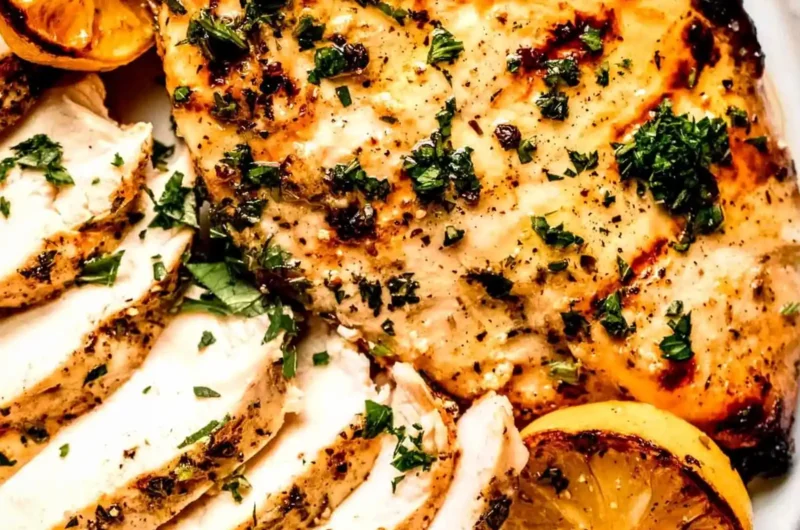
This simple Greek marinade infuses chicken with vibrant Mediterranean flavors using basic pantry staples. It is a versatile preparation method suitable for quick weeknight meals or detailed meal prep.
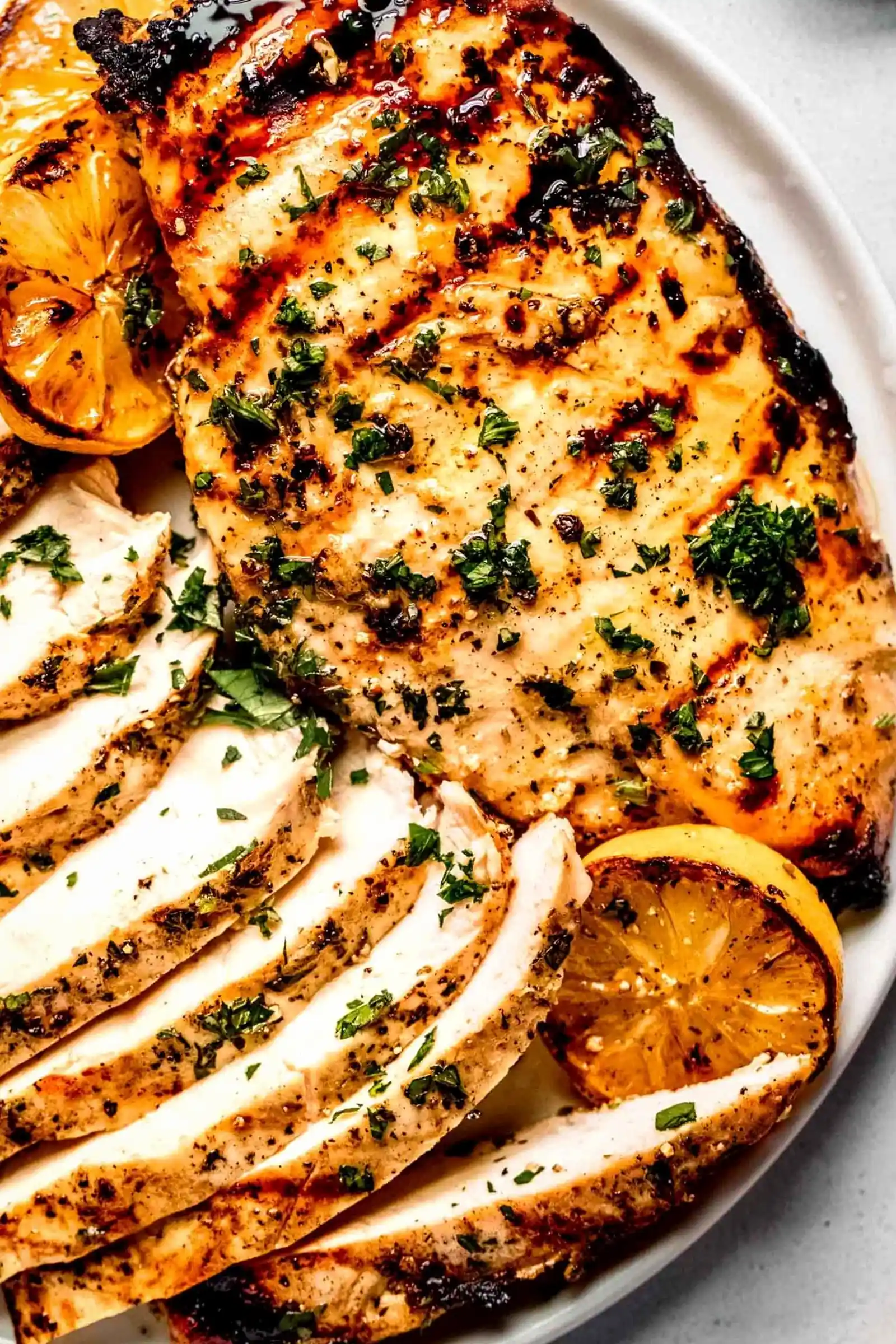
List of ingredients
- 1/4 cup olive oil – provides a rich base and distributes flavors.
- 1 Tablespoon apple cider vinegar – adds acidity and tenderizes the meat.
- 1 lemon, zested and juiced – provides fresh citrus brightness.
- 4 cloves garlic, grated or minced – adds pungent aromatic depth.
- 2 teaspoons honey – balances the acidity with a touch of sweetness.
- 1 Tablespoon dried oregano – provides a classic herbaceous Greek flavor.
- 1 teaspoon onion powder – adds a subtle savory layer.
- 1 1/2 teaspoons kosher salt – enhances all other seasonings.
- 1/2 teaspoon black pepper – adds a mild spicy warmth.
- 1 pound chicken breasts or thighs – pounded to a uniform thickness for even cooking.
step-by-step instructions
- Whisk the marinade: Combine the olive oil, apple cider vinegar, lemon zest, lemon juice, garlic, honey, oregano, onion powder, salt, and pepper in a medium bowl or measuring cup. Mix until the honey is fully incorporated.
- Marinate the meat: Place the pounded chicken pieces into a large Ziploc bag or a shallow casserole dish. Pour the whisked marinade over the chicken, ensuring every piece is thoroughly coated.
- Chill and infuse: Seal the bag or cover the dish and refrigerate for at least 30 minutes. For deeper flavor penetration and better tenderization, leave the chicken in the fridge up to overnight.
- Temper the chicken: Remove the chicken from the refrigerator 20 minutes before cooking. Let it sit on the counter to reach room temperature, which ensures more consistent cooking.
- Cook to temperature: Use your preferred method (grill, stove, or oven) to cook the chicken until the thickest part reaches an internal temperature of 160 degrees.
- Final resting: Transfer the cooked chicken to a clean plate and tent it loosely with aluminum foil. Let the meat rest for 5 to 10 minutes to reach a final internal temperature of 165 degrees and redistribute the juices.
Optimal Cooking Methods
Grilling for a Charred Finish
Preheat your grill or grill pan to medium-high heat and lightly oil the grates to prevent sticking. Grill the chicken for about 15-20 minutes, turning occasionally until browned and cooked through. This method adds a smoky dimension to the Mediterranean herbs.
Pan-Searing for Maximum Crust
Heat a skillet over medium-high heat with a small amount of oil. Sear the chicken for 5-8 minutes per side until a golden-brown crust forms. This approach is ideal for smaller chicken pieces and provides a quick turnaround time.
Oven Baking for Convenience
Preheat your oven to 400 degrees and place the marinated chicken in a shallow baking dish. Drizzle with a bit of extra olive oil and bake for 18-20 minutes. Baking is the best method for cooking larger batches of chicken simultaneously.
Flavor Customization and Add-ins
Incorporating Fresh Mediterranean Herbs
For a brighter flavor, stir in fresh chopped oregano, mint, dill, or parsley after the marinating process. These herbs add a fresh, grassy note that complements the dried oregano. Add them just before cooking or as a garnish after resting.
Adding Heat and Smoke
Include a pinch of red pepper flakes if you prefer a subtle spicy kick in every bite. For a deeper, woodsy flavor, add a half teaspoon of smoked paprika to the marinade. These additions maintain the Greek profile while adding modern complexity.
Creating a Creamy Yogurt Crust
To achieve a thicker, more tender crust, replace most of the olive oil with 2-3 tablespoons of plain Greek yogurt. Reduce the olive oil to 2 tablespoons when using this method. The lactic acid in the yogurt further tenderizes the meat for a softer texture.
Adding Depth with Dijon Mustard
Whisk in one teaspoon of Dijon mustard to the marinade for added emulsification and a sharp tang. Mustard helps the marinade cling more effectively to the meat during the cooking process. It also introduces a subtle complexity that balances the honey.
Professional Meat Preparation
Pounding Chicken for Uniformity
Place chicken breasts between two sheets of parchment paper and use a meat mallet to pound them to an even thickness. This prevents the thinner ends from overcooking and drying out while the center is still raw. Uniform thickness is the key to juicy results.
The Purpose of Room Temperature Meat
Bringing the chicken to room temperature for 20 minutes reduces the temperature gradient between the meat and the heat source. This prevents the outside from burning before the inside is cooked. It leads to a more consistent internal temperature.
The Science of Resting Meat
Resting the chicken under foil allows the muscle fibers to relax and reabsorb the juices. If sliced immediately, the juices leak out, leaving the meat dry. A 5-10 minute rest ensures maximum moisture in every slice.
Storage and Preservation
Refrigerating Cooked Portions
Store leftover cooked Greek chicken in an airtight container in the refrigerator for 3 to 4 days. Ensure the chicken is cooled slightly before sealing the container to prevent excess moisture buildup. This makes it an excellent option for cold salads.
Long-term Freezing Instructions
Cooked chicken can be frozen for 3 to 4 months in a freezer-safe bag or container. When you are ready to eat, thaw the chicken overnight in the refrigerator. Avoid thawing at room temperature to maintain food safety.
Handling Unused Marinade
If you have extra marinade that never touched raw meat, store it in a sealed jar in the fridge for up to one week. It can be used as a dressing for vegetables or a marinade for another protein. Always discard any marinade that has come into contact with raw chicken.
Ingredient Substitutions
Alternative Sweeteners for Honey
If you do not have honey, maple syrup or agave nectar serve as effective substitutes. These provide the necessary sweetness to balance the acidity of the lemon and vinegar. Use the same quantity as specified for the honey.
Choosing Between Breasts and Thighs
Chicken breasts offer a leaner profile, while boneless, skinless thighs provide more moisture and fat. Thighs are more forgiving during the cooking process and are harder to overcook. Both work perfectly with this specific marinade.
Swapping Dried Oregano
If dried oregano is unavailable, a blend of dried basil and thyme can mimic the earthy flavor. While not identical, these herbs maintain the Mediterranean spirit of the dish. Ensure you use dried herbs to keep the marinade consistency correct.
Serving and Pairing Ideas
Traditional Greek Accompaniments
Serve the chicken alongside homemade tzatziki sauce and warm pita bread for an authentic experience. Lemon rice pilaf or roasted lemon potatoes provide a hearty base that complements the tang of the marinade. These sides round out the nutritional profile of the meal.
Fresh Vegetable Pairings
A classic Greek salad featuring cucumbers, tomatoes, Kalamata olives, and feta cheese is the ideal pairing. Alternatively, grill sliced zucchini, bell peppers, and red onions alongside the chicken. The charred vegetables echo the flavors of the marinade.
Grain-Based Serving Options
For a healthier alternative, serve the chicken over a bed of Israeli couscous or quinoa. These grains absorb the remaining juices from the rested chicken. A squeeze of fresh lemon over the grains enhances the overall brightness of the dish.
Frequently Asked Questions
How long can you marinate chicken breasts?
Chicken breasts should be marinated for a minimum of 30 minutes and a maximum of 12 hours. Marinating for too long can cause the acid in the lemon and vinegar to break down the meat fibers too much, resulting in a mushy texture.
How long can you marinate chicken thighs?
Chicken thighs are heartier and benefit from longer marinating times, ideally 4 hours or overnight. If you are short on time, 2 to 3 hours is sufficient to infuse the meat with the aromatic herbs and garlic.
Can you marinate frozen chicken in Greek marinade?
It is not recommended to add marinade to already frozen meat. Instead, place fresh chicken in the marinade and then freeze the entire bag. The meat will marinate naturally as it thaws in the refrigerator before cooking.
What else can this marinade be used for?
This versatile blend works well for shrimp, fish fillets, tofu, or tempeh. You can also use it as a zesty salad dressing by adding a small amount of extra olive oil or lemon juice to thin the consistency.
Troubleshooting Common Issues
Preventing Dry Chicken
The most common cause of dry chicken is overcooking. Use a digital meat thermometer to ensure you remove the chicken from the heat exactly when it hits 160 degrees. The carry-over cooking during the resting phase will bring it to the safe 165 degrees.
Avoiding Burnt Honey
Because honey contains sugar, it can burn quickly over extremely high heat. If you notice the chicken browning too fast, reduce the heat to medium. This allows the interior to cook without scorching the exterior marinade.
Balancing Excessive Acidity
If the marinade tastes too sharp or acidic for your preference, add a small pinch of extra honey or a tablespoon of olive oil. This mellows the lemon and vinegar without compromising the Mediterranean flavor profile.
Print
Mediterranean Style Greek Marinated Chicken
- Total Time: 55 minutes
- Yield: 6 servings 1x
- Diet: General
Description
This Greek marinade for chicken effortlessly infuses chicken with the enticing aromas and flavors of the Mediterranean. Made from simple, easy-to-find ingredients, this versatile marinade is perfect for summer grilling, simple weeknight dinners, and meal prep.
Ingredients
- 1/4 cup olive oil
- 1 Tablespoon apple cider vinegar
- 1 lemon (zested and juiced)
- 4 cloves garlic (grated or minced)
- 2 teaspoons honey
- 1 Tablespoon dried oregano
- 1 teaspoon onion powder
- 1 1/2 teaspoons kosher salt
- 1/2 teaspoon black pepper
- 1 pound chicken (breasts or thighs, pounded to a uniform thickness)
Instructions
- Whisk: In a medium bowl or measuring cup, whisk together the marinade ingredients.
- Marinate: Place the chicken in a large ziploc bag or casserole dish, and pour in the marinade.
- Chill: Allow chicken to marinate in the fridge for at least 30 minutes, up to overnight.
- Temper: Once ready to cook, remove the chicken from the refrigerator and allow it to sit on the counter for 20 minutes.
- Cook: Cook chicken on the grill (medium-high, 15-20 minutes), in the oven (400 degrees, 18-20 minutes), or on the stove (medium-high, 5-8 minutes per side) until internal temperature registers 160-degrees at the thickest part.
- Rest: Remove chicken from the heat and allow to rest for 5 minutes before slicing and serving.
Notes
Store the leftover Greek chicken in an airtight container in the fridge for 3 to 4 days. It also freezes well for 3 to 4 months. If you have extra unused marinade, keep it in an airtight container in the fridge for up to 1 week. The used marinade must be discarded as it can contain harmful bacteria from the raw meat.
- Prep Time: 5 minutes
- Cook Time: 20 minutes
- Category: Main Dish – Chicken
- Method: Grilling/Baking/Searing
- Cuisine: Greek
Nutrition
- Serving Size: 1 serving
- Calories: 250 kcal
- Sugar: 2 g
- Sodium: 423 mg
- Fat: 7 g
- Saturated Fat: 2 g
- Unsaturated Fat: 5 g
- Trans Fat: 0 g
- Carbohydrates: 6 g
- Fiber: 1 g
- Protein: 35 g
- Cholesterol: 115 mg
Keywords: Greek chicken, Mediterranean marinade, grilled chicken, easy dinner, meal prep