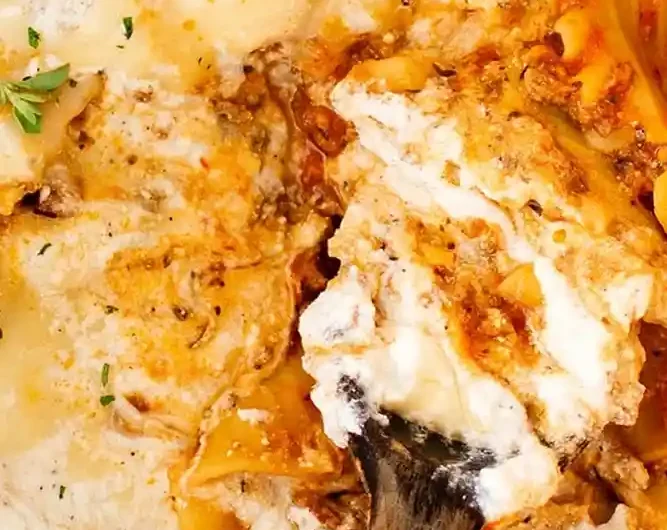
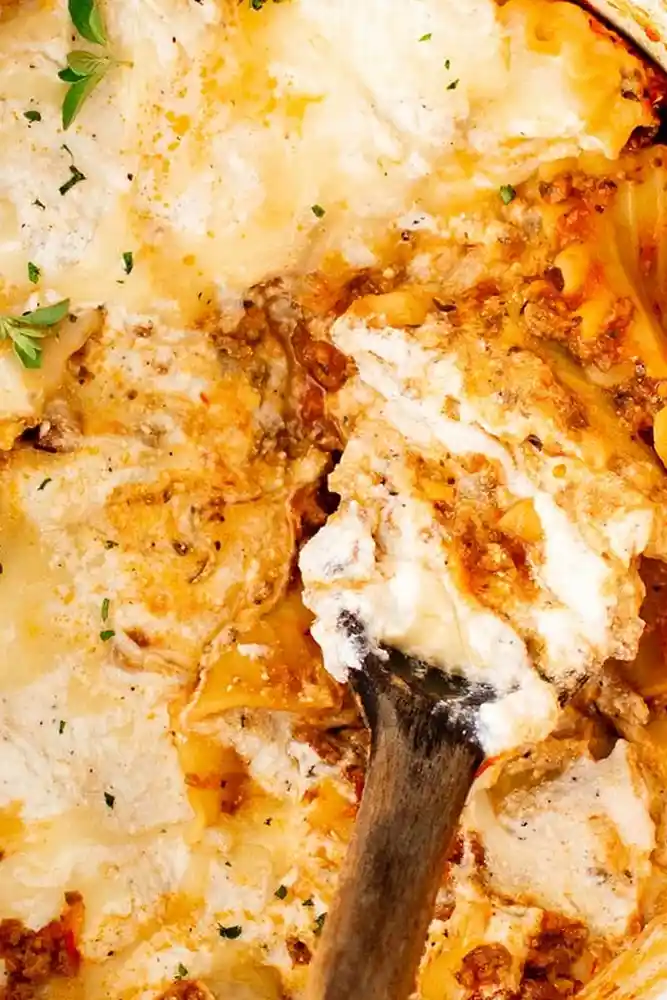
This stovetop lasagna delivers all the comforting flavors of the traditional baked version without the need for an oven. It is a streamlined one-pot meal that simplifies preparation and cleanup for a busy weeknight dinner.
List of ingredients
- 1 pound Ground beef – lean beef is recommended to avoid excessive grease.
- 2 teaspoon Italian seasoning – a blend of dried herbs for classic flavor.
- 1/2 teaspoon Salt – to enhance the overall savory profile.
- 1-2 tablespoon Minced garlic – provides a pungent, aromatic base.
- 12 Lasagna noodles – broken into 2-inch pieces for easier stirring.
- 24 ounces Marinara sauce – adjust quantity based on your preference for sauce thickness.
- 1.5 cups Water – provides the necessary moisture to cook the noodles.
- 1.5 cups Ricotta cheese – creates the creamy layer.
- 1/2 cup Grated Parmesan cheese – adds a salty, sharp depth to the filling.
- 1/2 teaspoon Black pepper – for a subtle spicy bite.
- 1 cup Freshly grated Mozzarella cheese – for the melty top layer.
step-by-step instructions
- Brown the meat: In a 5-quart skillet pot, cook ground beef until no longer pink, then drain any excess fat. Stir in minced garlic, Italian seasoning, and salt, and cook for one minute.
- Simmer the sauce: Stir in the marinara sauce and water, bringing the mixture to a boil over medium-high heat.
- Cook the pasta: Stir in the broken lasagna noodles. Reduce the heat to medium-low, cover with a lid, and simmer until the noodles are tender, which usually takes 15-20 minutes.
- Prepare the cheese mixture: While the pasta simmers, combine the ricotta cheese, Parmesan cheese, and black pepper in a medium-sized bowl.
- Layer the toppings: Once the noodles are tender, dot the top of the lasagna with large spoonfuls of the ricotta mixture.
- Melt the mozzarella: Sprinkle the fresh grated mozzarella over the top. Remove the pot from the heat and let it sit, covered, for 5-10 minutes.
- Finish and serve: Sprinkle with fresh parsley or basil and serve immediately.
Optimizing Your Meat Selection
Use Lean Ground Beef to Prevent Greasiness
Choosing a leaner cut of ground beef, such as 90% lean or higher, prevents the final dish from becoming oily. If you use a fattier blend, be very diligent about draining the rendered fat after browning. This ensures the sauce remains clean and the flavors of the herbs stand out.
Brown the Beef Thoroughly for Better Flavor
Avoid simply graying the meat; instead, let it sear and brown slightly before stirring. This process, known as the Maillard reaction, adds a deeper, savory complexity to the lasagna. Use a medium-high heat setting to achieve this golden-brown color.
Properly Draining the Rendered Fat
After the beef is cooked, carefully pour off the excess liquid or use a spoon to remove the grease. Leaving too much fat in the pan can prevent the marinara sauce from adhering properly to the noodles. It also prevents a layer of oil from forming on top of the cheese.
Perfecting the Pasta and Sauce
Breaking Noodles for Even Distribution
Breaking the lasagna noodles into 2-inch pieces allows them to fit comfortably in a skillet. This prevents the noodles from clumping together in large sheets, which ensures every piece is surrounded by sauce. It also makes the final dish much easier to scoop and serve.
Choosing the Best Marinara Sauce
A high-quality marinara with a balanced acidity and sweetness works best for this one-pot method. Avoid sauces with overly strong added sugars, as they can burn during the simmering process. You can use a basic tomato basil or a garlic-heavy sauce depending on your taste.
Adjusting Liquid Ratios for Texture
The 1.5 cups of water is essential because the noodles absorb liquid as they cook. If you prefer a very saucy lasagna, add an extra quarter cup of water or a splash of vegetable broth. Conversely, if the sauce seems too thin at the end, let it simmer uncovered for a few minutes.
Ensuring Noodles are Fully Submerged
When adding the noodles to the skillet, stir them thoroughly to make sure they are covered by the liquid. Noodles that stay exposed to air will remain hard and undercooked. If you notice any dry spots, simply push the noodles down with a spatula.
Enhancing the Cheese Components
The Benefit of Freshly Grated Mozzarella
Freshly grating your own mozzarella from a block results in a much smoother melt than using pre-shredded cheese. Pre-shredded varieties contain anti-clumping agents like potato starch or cellulose. These additives can prevent the cheese from blending seamlessly into the sauce.
Seasoning the Ricotta for Depth
Mixing Parmesan and black pepper into the ricotta transforms it from a plain base into a savory filling. The saltiness of the Parmesan complements the mildness of the ricotta. Ensure the mixture is well-blended so the pepper is evenly distributed.
Applying the Ricotta in Dollops
Instead of spreading the ricotta in a flat layer, place it in large spoonfuls across the surface. This creates pockets of creamy cheese that contrast with the hearty meat sauce. It mimics the layering of a traditional baked lasagna in a more efficient way.
Using Aged Parmesan for a Sharp Finish
Using a high-quality aged Parmesan provides a sharp, salty contrast to the rich mozzarella. This helps cut through the heaviness of the ground beef and cream cheese. Grating the Parmesan finely allows it to dissolve into the ricotta mixture more effectively.
Customizing the Recipe with Variations
Adding Sautéed Onions and Bell Peppers
For added texture and sweetness, sauté diced onions and bell peppers with the ground beef. Cook them until soft before adding the garlic and Italian seasoning. This adds a layer of aromatic vegetable flavor to the base of the dish.
Incorporating Fresh Spinach for Nutrition
Stir in a few handfuls of fresh baby spinach just before you add the cheese toppings. The residual heat from the sauce will wilt the spinach in a matter of seconds. This is an easy way to add greens without altering the core taste of the lasagna.
Substituting Ground Beef with Turkey or Chicken
Ground turkey or ground chicken are excellent lean alternatives to beef. Since these meats are milder, you may want to increase the Italian seasoning by an extra half teaspoon. This ensures the flavor remains bold and savory.
Adding Sliced Mushrooms for Earthiness
Finely diced mushrooms can be browned with the meat to add an earthy, umami quality. Mushrooms blend in well with the ground beef, making the dish feel heartier. Be sure to sauté them until their moisture has evaporated to avoid a watery sauce.
Integrating Red Pepper Flakes for Heat
If you prefer a spicy kick, add a pinch of crushed red pepper flakes during the browning phase. This infuses the oil with heat, which then carries through the entire sauce. Adjust the amount based on your tolerance for spice.
Serving Suggestions and Pairings
Pairing with a Crisp Caesar Salad
A fresh Caesar salad provides a cool, crisp contrast to the warm, heavy lasagna. The acidity of the lemon-based dressing helps cleanse the palate between bites. Use romaine lettuce and a few croutons for the best textural balance.
Serving with Garlic Breadsticks
Garlic breadsticks are the perfect accompaniment for scooping up extra sauce and melted cheese. You can use store-bought frozen sticks or bake a quick batch of homemade garlic toast. The crunch of the bread complements the softness of the pasta.
Adding Sautéed Broccoli or Zucchini
For a healthier meal, serve the lasagna alongside steamed broccoli or sautéed zucchini. These vegetables provide a light, fresh element to the plate. Lightly seasoning them with lemon juice and salt keeps the focus on the main dish.
Garnishing with Fresh Basil and Parsley
Fresh herbs add a pop of color and a bright, aromatic finish to the dish. Finely chop fresh basil or flat-leaf parsley and sprinkle it over the melted mozzarella. This adds a professional touch and a hint of freshness to the rich flavors.
Storage and Proper Reheating
Storing in Airtight Containers
Place any leftover lasagna in a shallow, airtight container to keep it from drying out. Store it in the refrigerator for no more than 3 to 4 days. Keeping the lid tight prevents the pasta from absorbing smells from other foods in the fridge.
Microwave Reheating Techniques
Reheat portions in the microwave for 30 to 60 seconds at a time. Stir the lasagna gently between heating intervals to ensure the center is hot. This prevents the edges from overcooking while the middle remains cold.
Adding Extra Sauce During Reheating
Pasta tends to absorb more moisture as it sits in the refrigerator. If the leftovers seem too dry, add a tablespoon of water or extra marinara sauce before reheating. This restores the creamy consistency of the sauce and the tenderness of the noodles.
Avoiding the Freezer for Best Results
Freezing this specific stovetop version is generally not recommended because the texture of the noodles and ricotta can change. Upon thawing, the pasta may become mushy or the cheese may separate. If you must freeze it, thaw it completely in the fridge before reheating slowly.
Troubleshooting Common Issues
Addressing Undercooked or Hard Noodles
If the noodles are still hard after the simmering time, add an extra 1/4 cup of water and cover them for another 5 minutes. Ensure the lid is tight to trap the steam. This allows the pasta to finish cooking without burning the bottom of the pot.
Fixing a Sauce That Is Too Liquid
If the sauce is too thin after the noodles are cooked, remove the lid and simmer on medium heat for a few minutes. This allows excess moisture to evaporate and thicken the sauce. Do this before adding the cheese layers to ensure the toppings stay on top.
Preventing the Bottom from Scorching
To avoid burning the bottom of the skillet, keep the heat on medium-low once the lid is on. Stir the noodles occasionally during the first few minutes of simmering to prevent them from sticking. Using a heavy-bottomed pan also helps distribute heat more evenly.
Resolving Clumpy Ricotta Mixture
If your ricotta mixture feels too thick or clumpy, whisk it vigorously with a fork before adding it to the pan. You can also add a teaspoon of milk or water to smooth it out. This ensures a creamy, consistent texture in every bite.
Frequently Asked Questions
Can I use no-boil noodles for this recipe?
Yes, no-boil noodles work well, but you must ensure there is plenty of sauce to hydrate them. They absorb more liquid than standard noodles, so you may need to slightly increase the amount of water or marinara sauce used.
Is a cast iron skillet suitable for this dish?
A cast iron skillet is an excellent choice because it retains heat very well. However, ensure the skillet is deep enough (at least 3 inches) to hold the ingredients and allow the noodles to simmer without overflowing.
How can I make this recipe creamier?
To increase the creaminess, you can stir a tablespoon of heavy cream or a dollop of cream cheese into the marinara sauce before adding the noodles. This adds a velvety texture and mellows the acidity of the tomatoes.
Can I substitute cottage cheese for ricotta?
Cottage cheese is a suitable substitute for ricotta, though it has a slightly different texture and a saltier taste. For a smoother result, pulse the cottage cheese in a food processor or blender until it reaches a ricotta-like consistency.
Print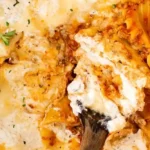
One Pot Stovetop Lasagna
- Total Time: 40 minutes
- Yield: 6 servings 1x
- Diet: General
Description
Skillet Lasagna is a simple meal that’s ready in 40 minutes. Made with simple ingredients like marinara, lasagna noodles and ground beef.
Ingredients
- 1 pound ground beef
- 2 teaspoon Italian seasoning
- 1/2 teaspoon salt
- 1–2 tablespoon minced garlic
- 12 lasagna noodles (broken into 2-inch pieces)
- 24 ounces marinara sauce
- 1.5 cups water
- 1.5 cups ricotta cheese
- 1/2 cup grated Parmesan cheese
- 1/2 teaspoon black pepper
- 1 cup freshly grated mozzarella cheese
Instructions
- Brown Beef: In a 5-quart skillet pot, cook ground beef until no longer pink. Drain. Stir in minced garlic, Italian seasoning and salt and cook for one minute.
- Boil Sauce: Stir in marinara sauce and water and bring to a boil.
- Simmer Noodles: Stir in broken lasagna noodles. Reduce heat to medium-low, cover and simmer until noodles are tender, about 15-20 minutes.
- Prepare Cheese Mix: In a medium sized bowl, combine ricotta, Parmesan cheese, black pepper. Once noodles are tender, dot the top of the lasagna with large spoonfuls of the ricotta mixture.
- Final Melt: Sprinkle fresh grated mozzarella on top. Remove from heat and let sit for 5-10 minutes, covered, then sprinkle with fresh parsley or basil and serve immediately.
Notes
Make sure you are using no boil noodles. These cook by soaking up sauce, rather than boiling separately, so ensure you use enough sauce that your dish doesn’t dry out.
- Prep Time: 10 minutes
- Cook Time: 30 minutes
- Category: Main
- Method: Stovetop
- Cuisine: Italian
Nutrition
- Serving Size: 1 serving
- Calories: 390 kcal
- Sugar: 1 g
- Sodium: 471 mg
- Fat: 17 g
- Saturated Fat: 9 g
- Unsaturated Fat: 7 g
- Trans Fat: 1 g
- Carbohydrates: 35 g
- Fiber: 1 g
- Protein: 25 g
- Cholesterol: 87 mg
Keywords: stovetop lasagna, one pot lasagna, skillet lasagna, easy Italian dinner, ground beef lasagna