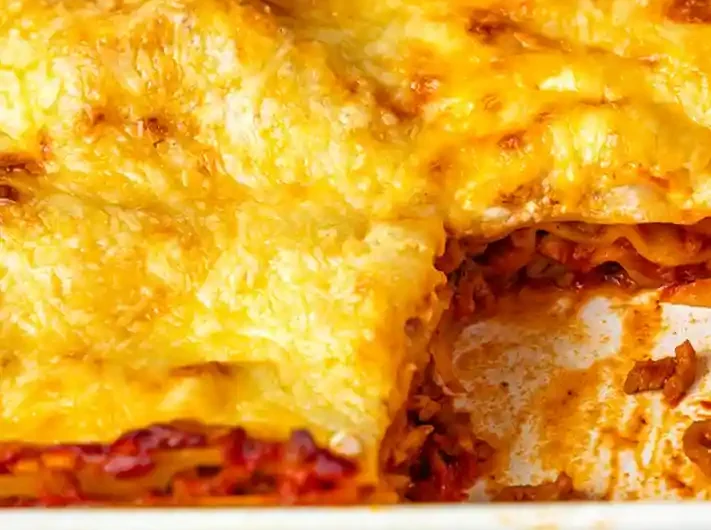
This straightforward lasagna recipe delivers a hearty, comforting meal without the need for a complex béchamel sauce. It is designed for efficiency, allowing you to prepare the dish quickly while maintaining a rich, authentic flavor profile.
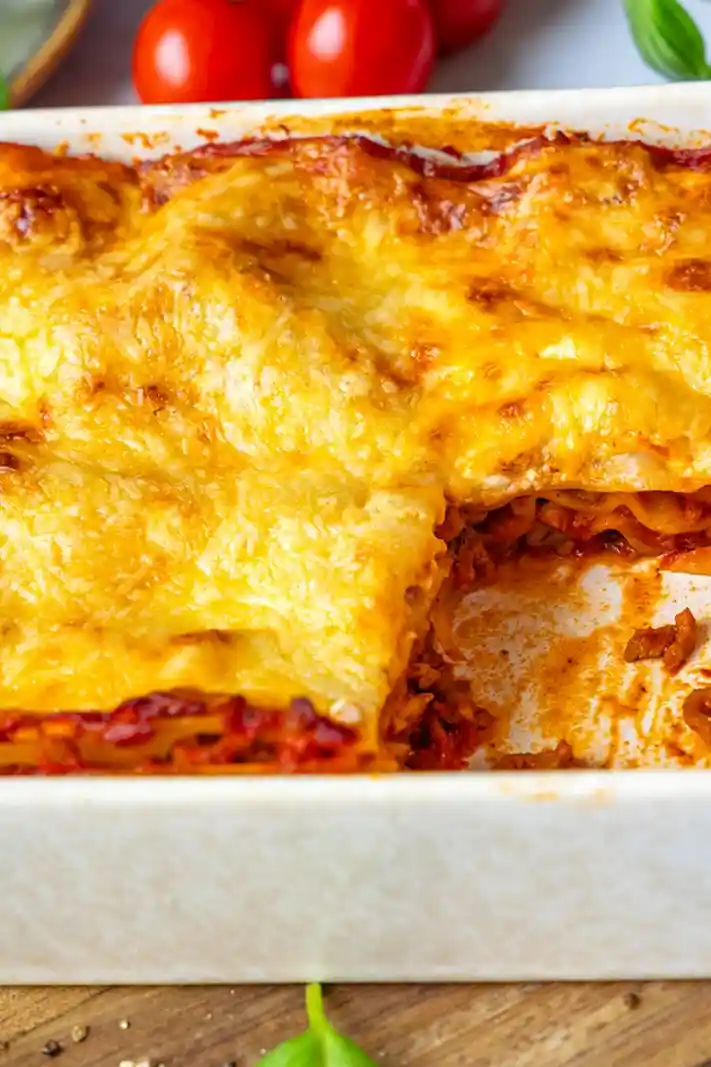
List of ingredients
- 1 clove garlic – peeled and finely minced for aromatic base.
- 1 red onion – peeled and finely diced for a hint of sweetness.
- 2 tbsp olive oil – used for sautéing and browning the meat.
- 500 g ground beef – use a medium-lean variety for the best flavor.
- 1000 g passed tomatoes – a smooth tomato puree creates the sauce base.
- 1 tsp Herbs de Provence – provides the traditional Mediterranean aroma.
- 200 g crème fraîche – serves as a creamy alternative to béchamel.
- 240 g lasagna sheets – use standard dried sheets that do not require pre-boiling.
- 100 g Gouda – grated for a golden, melted topping.
- Salt & pepper – used to season the meat and sauce to taste.
step-by-step instructions
- Prepare the Aromatics: Peel the garlic and red onion, then chop both into very fine cubes. This ensures they integrate smoothly into the meat sauce without leaving large chunks.
- Brown the Meat: Heat the olive oil in a large pot over medium-high heat. Add the ground beef and cook until it is crumbly and browned, stirring frequently.
- Sauté the Vegetables: Stir in the finely diced garlic and onion. Cook them with the meat for a few minutes until the onion becomes translucent.
- Simmer the Sauce: Pour in the passed tomatoes and stir in the Herbs de Provence. Season the mixture with salt and pepper, then let it simmer on medium heat for about 10 minutes.
- Preheat the Oven: Set your oven to 180 °C (350 °F) using the upper and lower heat setting. Ensure the oven rack is in the center position for even cooking.
- Layer the Lasagna: In an oven-proof baking dish, alternate layers of meat sauce and lasagna sheets. Begin the first layer with sauce and end the final layer with sauce to keep the noodles moist.
- Add Toppings and Bake: Spread the crème fraîche evenly over the top layer of sauce. Sprinkle the grated Gouda over the crème fraîche and bake for 30-35 minutes until the cheese is golden brown.
Optimizing Your Meat and Vegetable Prep
Selecting the Best Ground Beef
For a balanced lasagna, choose ground beef with a fat content of around 15-20%. Too lean a meat can result in a dry sauce, while too much fat may leave an oily layer on top of your lasagna. If you prefer a leaner option, drain the excess fat after browning the meat before adding the vegetables.
Using Red Onions for Depth
Red onions offer a slightly milder and sweeter flavor than yellow onions, which complements the acidity of the passed tomatoes. Ensure the dice is uniform so that the onion pieces soften at the same rate. This prevents raw onion bites in the finished dish.
Timing the Garlic Addition
Add the minced garlic only after the meat has browned and the onions have started to soften. Garlic burns quickly at high temperatures, which can create a bitter taste in the sauce. Sautéing it for just 1-2 minutes is sufficient to release its aromatic oils.
Mastering the Sauce Consistency
Working with Passed Tomatoes
Passed tomatoes, or passata, provide a smooth, consistent texture compared to crushed or diced tomatoes. This allows the sauce to seep more easily into the lasagna sheets during the baking process. If the sauce appears too thick, you can add a small splash of water or vegetable broth to loosen it.
Balancing the Herb Profile
Herbs de Provence typically include rosemary, thyme, and oregano, which give the dish a rustic feel. If you find the flavor too strong, you can substitute half the amount with dried basil. Always stir the herbs into the sauce while it is simmering to allow the flavors to hydrate and infuse.
Seasoning for Maximum Flavor
Salt and pepper should be added gradually and tasted at the end of the simmering process. The acidity of the tomatoes can mask salt, so be careful not to overseason early on. A pinch of black pepper adds a subtle heat that cuts through the richness of the cheese and crème fraîche.
Cheese and Creamy Layer Alternatives
The Role of Crème Fraîche
Using crème fraîche instead of a traditional béchamel sauce simplifies the recipe significantly. It provides a similar creamy tang and richness without the need for making a roux with butter and flour. Make sure to spread it in a thin, even layer to avoid clumps of cream.
Gouda for a Perfect Crust
Gouda is an excellent choice for topping because it melts smoothly and browns evenly. It provides a mild, buttery flavor that does not overpower the meat sauce. For the best results, grate the cheese yourself rather than using pre-shredded bags, as fresh cheese melts more consistently.
Substituting with Mozzarella
If you prefer a stretchier, more elastic texture, you can replace Gouda with low-moisture mozzarella. Mozzarella is milder in flavor but provides that classic ‘cheese pull’ associated with Italian dishes. You can also mix mozzarella and parmesan for a combination of stretch and sharp saltiness.
Adding Parmesan for Sharpness
For those who enjoy a more pungent and salty topping, adding a layer of grated parmesan is recommended. Parmesan creates a harder, crispier crust than Gouda or mozzarella. It is best used as a final sprinkle on top of the other cheeses.
Advanced Baking and Layering Tips
Preventing Stuck Noodles
Always begin the assembly process with a thin layer of meat sauce at the bottom of the dish. This creates a barrier that prevents the bottom layer of pasta sheets from sticking to the pan. It also ensures that the bottom noodles are fully hydrated and cooked through.
Ensuring Even Sheet Distribution
Place the lasagna sheets carefully, avoiding too much overlap. While a slight overlap is fine, too many layers of pasta in one spot can lead to undercooked, hard edges. Ensure the sauce completely covers every edge of the pasta sheets to prevent them from curling or drying out.
Managing Oven Temperature
Using the upper and lower heat setting (non-convection) is ideal for lasagna as it cooks the interior steadily while browning the top. If you use a convection oven, reduce the temperature to 160 °C to prevent the cheese from burning before the pasta is tender. If the cheese browns too quickly, cover the dish loosely with aluminum foil.
Serving and Pairing Suggestions
Pairing with Fresh Salads
A crisp garden salad with a light vinaigrette is the ideal companion to a rich lasagna. The acidity of the dressing helps cleanse the palate between bites of cheesy pasta. A mix of arugula, cherry tomatoes, and cucumber provides a refreshing contrast to the warm dish.
Serving with Garlic Bread
To make the meal more filling, serve the lasagna with toasted garlic bread. Slice a baguette, spread with garlic butter, and toast it in the oven during the last 10 minutes of the lasagna’s baking time. This adds a crunchy texture to the meal.
Adding Fresh Garnish
Fresh basil leaves added just before serving enhance the visual appeal and provide a burst of freshness. Gently tear the leaves by hand rather than chopping them with a knife to prevent bruising. This aromatic touch complements the dried herbs used in the sauce.
Storage, Freezing, and Reheating
Refrigerating Leftovers
Store leftover lasagna in an airtight container in the refrigerator for up to 3 days. Let the lasagna cool slightly before sealing it to prevent excess condensation from making the pasta soggy. Cut the lasagna into squares before storing to make reheating easier.
Freezing Unbaked Lasagna
You can assemble the lasagna and freeze it before baking. Wrap the baking dish tightly in plastic wrap and aluminum foil to prevent freezer burn. The lasagna can be stored in the freezer for up to two months; just remember to thaw it in the fridge overnight before baking.
Safe Thawing Process
Avoid thawing frozen lasagna at room temperature to prevent bacterial growth. Move the dish from the freezer to the refrigerator 24 hours before you plan to cook it. If you are baking from frozen, increase the baking time by approximately 15-20 minutes and cover with foil for the first half of the process.
Reheating for Best Texture
To maintain the crispiness of the cheese, reheat individual slices in the oven at 170 °C. Place the slice in a small baking dish and cover it with a damp paper towel to keep the pasta moist. This method is superior to the microwave, which can make the pasta rubbery.
Quick Microwave Reheating
If using a microwave, place the lasagna on a microwave-safe plate and add a teaspoon of water to the side. Cover the plate with a microwave-safe lid to trap the steam. Heat on medium power in 1-minute intervals until the center is hot.
Troubleshooting Common Lasagna Issues
Fixing Hard or Undercooked Noodles
Hard noodles usually occur when there is not enough sauce to hydrate the pasta. If you notice this after baking, you can pour a little extra tomato sauce or water around the edges and return it to the oven covered with foil for 10 minutes. Next time, ensure the sauce is slightly thinner.
Dealing with a Watery Bottom
A watery bottom is often caused by using vegetables with too much moisture or not browning the meat sufficiently. To prevent this, ensure the ground beef is fully browned and any excess liquid from the onions is evaporated before adding the passed tomatoes. Avoid adding extra water to the sauce unless it is excessively thick.
Preventing Greasy Sauce
If the sauce feels too oily, it is likely due to the fat content of the ground beef. Use a spoon to skim the oil off the top of the sauce during the simmering stage. Alternatively, brown the meat separately and drain the fat in a colander before adding the other ingredients to the pot.
Frequently Asked Questions
Can I use different pasta sheets?
Yes, you can use fresh pasta sheets or no-boil dried sheets. If using fresh sheets, you may need to reduce the baking time slightly as they cook faster than dried ones. Always ensure there is enough sauce to compensate for the absorption of the pasta.
Can I replace crème fraîche with something else?
You can use Greek yogurt or sour cream as a substitute for crème fraîche. Greek yogurt provides a similar tang but is slightly thinner, while sour cream is richer. Ensure the substitute is full-fat to prevent it from splitting under high heat.
How can I make the lasagna spicy?
To add heat, stir in a teaspoon of red chili flakes or a tablespoon of sriracha into the meat sauce while it simmers. You can also add diced jalapeños during the vegetable sautéing stage for a more pronounced spicy kick.
Is the oven temperature critical?
Yes, 180 °C is the ideal temperature to ensure the pasta cooks through without burning the cheese. If the temperature is too low, the pasta may remain hard; if it is too high, the cheese will burn before the interior is hot. Always use an oven thermometer for accuracy.
Print
Quick and Easy Classic Beef Lasagna
- Total Time: 1 hour
- Yield: 4 servings 1x
- Diet: General
Description
This classic lasagna with ground beef and crème fraîche is quick to prepare. This easy lasagna recipe is guaranteed to be a success.
Ingredients
- 1 clove garlic
- 1 red onion
- 2 tbsp olive oil
- 500 g ground beef
- 1000 g tomato puree
- 1 tsp Herbes de Provence
- 200 g crème fraîche
- 240 g lasagna sheets
- 100 g grated Gouda cheese
- Salt & pepper
Instructions
- Step: Peel the garlic and onions, then chop both into fine cubes.
- Step: Heat oil in a pot and brown the ground beef until crumbly.
- Step: Add the garlic and onion cubes and sauté them together.
- Step: Add the tomato puree and Herbes de Provence. Season with salt and pepper and simmer on medium heat for about 10 minutes.
- Step: Preheat the oven to 180 °C (top/bottom heat).
- Step: Alternately layer the sauce and lasagna sheets in a baking dish, starting and ending with the sauce.
- Step: Spread the crème fraîche over the top and sprinkle with grated Gouda. Bake in the oven for 30-35 minutes until golden brown.
Notes
This lasagna can be prepared in advance and stored in the refrigerator. It can even be stored unbaked for one day before baking.
- Prep Time: 10 minutes
- Cook Time: 50 minutes
- Category: Main Course
- Method: Baking
- Cuisine: Italian
Nutrition
- Serving Size: 1 serving
- Calories: 856 kcal
- Sugar: 12 g
- Sodium: 1150 mg
- Fat: 51 g
- Saturated Fat: 22 g
- Unsaturated Fat: 29 g
- Trans Fat: 0 g
- Carbohydrates: 55 g
- Fiber: 6 g
- Protein: 41 g
- Cholesterol: 110 mg
Keywords: classic lasagna, ground beef, Italian dinner, oven dish, quick lasagna