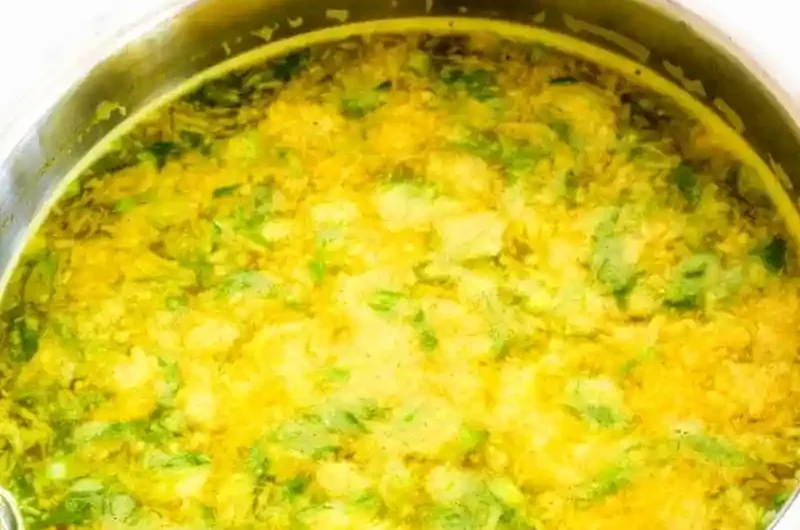
This nutrient-dense broth is designed for rapid preparation to support your wellness during cold seasons. It combines fermented miso with potent aromatics for a savory, warming drink.
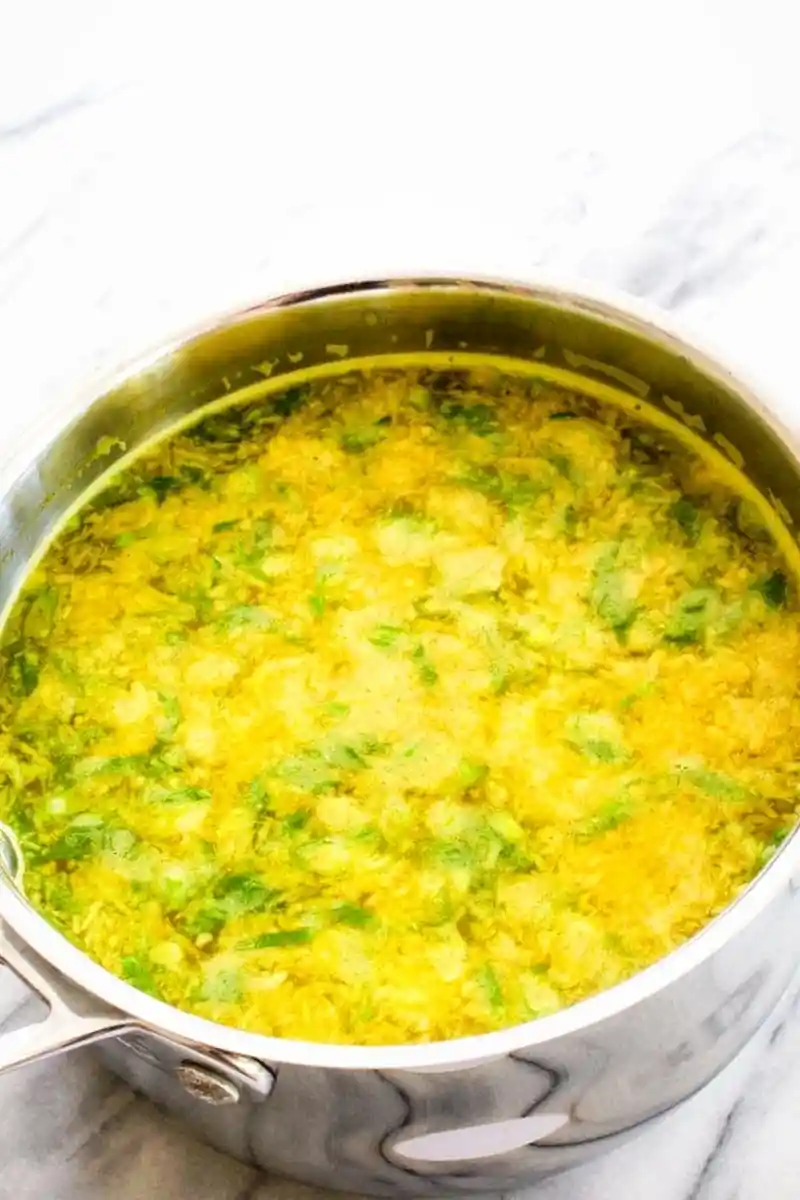
List of ingredients
- 8 cups water – the liquid base for the broth.
- 1/2 cup gluten free mellow white miso – provides a salty, fermented base and probiotics.
- 8 cloves garlic (grated) – adds strong antimicrobial properties.
- 2 tablespoons peeled and grated ginger – provides a spicy warmth and digestive support.
- 1 scallion (sliced) – adds a mild onion flavor and fresh garnish.
- 1 tablespoon peeled and grated horseradish root – helps clear nasal passages.
- 2 teaspoons avocado oil OR coconut oil – healthy fats that help absorb turmeric.
- 2 tablespoons raw apple cider vinegar (with the ‘mother’) – adds acidity and enzyme support.
- 1 teaspoon ground turmeric – provides golden color and anti-inflammatory benefits.
- 1/2 teaspoon salt – enhances the overall flavor profile.
step-by-step instructions
- Boil Water: Pour the water into a large pot and bring it to a full boil.
- Prepare Aromatics: While the water boils, use a microplane grater to grate the garlic, ginger, and horseradish root.
- Combine Base: Place the grated aromatics into a medium bowl with the miso, oil, apple cider vinegar, turmeric, and salt, stirring them together.
- Smooth the Miso: Once the water is steaming, ladle 1/2 cup of the hot water into the bowl. Whisk the mixture vigorously until the miso is fully dissolved and no clumps remain.
- Final Mix: Transfer the smooth miso mixture back into the pot. Immediately remove the pot from the heat, stir once more to combine, and serve.
Nutritional Component Properties
Probiotic Value of Mellow White Miso
Mellow white miso is a fermented soybean paste that introduces beneficial probiotics into the gut. These microorganisms support the microbiome, which is closely linked to the efficiency of the immune system. Using a gluten-free version ensures the broth remains accessible to those with gluten sensitivities.
Antimicrobial Properties of Fresh Garlic
Fresh garlic contains allicin, a compound that is activated when the clove is crushed or grated. Allicin is known for its antimicrobial and antiviral properties, making garlic a staple in wellness broths. Using eight cloves ensures a high concentration of these active compounds in every serving.
Anti-Inflammatory Effects of Ginger
Ginger root contains gingerol, which helps reduce inflammation in the body and may ease nausea. Its spicy profile adds depth to the broth while acting as a natural antifungal agent. Grating the ginger fresh allows the essential oils to be fully integrated into the liquid.
Curcumin in Ground Turmeric
Turmeric is rich in curcumin, a potent anti-inflammatory compound that can help reduce body aches during illness. Because curcumin is fat-soluble, the addition of avocado or coconut oil is necessary for the body to absorb it effectively. It also gives the broth its characteristic golden hue.
Sinus Clearing Power of Horseradish Root
Horseradish contains pungent glucosinolates that help thin mucus and clear sinus congestion. This makes it particularly useful for those dealing with the common cold or allergies. The heat from the root provides a sensory clearing effect upon inhalation and consumption.
Acidity of Raw Apple Cider Vinegar
Raw apple cider vinegar containing the ‘mother’ adds a layer of acidity that balances the saltiness of the miso. The enzymes and acetic acid in the vinegar support digestion and contribute to the broth’s overall health-promoting profile. It acts as a flavor brightener for the earthy turmeric and miso.
Ingredient Alternatives
Substituting Chickpea Miso for Soy-Free Needs
For those avoiding soy, chickpea miso is an excellent substitute that maintains the fermented, salty characteristic of the original. It provides a similar umami flavor and probiotic benefit without the use of soybeans. Ensure the chickpea miso is also gluten-free to maintain the recipe’s dietary standards.
Using Cayenne Pepper Instead of Horseradish
If fresh horseradish root is unavailable, a pinch or two of cayenne pepper can be used to provide a similar heat. While it lacks the specific sinus-clearing properties of horseradish, cayenne stimulates circulation and adds a spicy kick. Add the pepper gradually to ensure the heat level remains palatable.
Alternative Healthy Cooking Oils
While avocado and coconut oil are recommended, extra virgin olive oil can be used as a substitute. The primary goal is to include a healthy fat to facilitate the absorption of the turmeric. Avoid using highly processed seed oils to keep the broth focused on wellness.
Meal Integration and Serving
Converting Broth into a Noodle Soup
This broth can easily be transformed into a full meal by adding rice noodles or glass noodles. Simply boil the noodles separately and add them to the bowl before pouring the hot broth over them. This adds carbohydrates for energy while maintaining the immune-boosting benefits.
Adding Poached Vegetables and Tofu
To increase the nutritional density, add sliced bok choy, carrots, or mushrooms to the water before it reaches a boil. Cubed firm tofu can also be added for a plant-based protein source. These additions turn the sipping broth into a hearty, filling soup.
Using the Broth as a Grain Cooking Liquid
Instead of using plain water, use this broth to cook quinoa or brown rice. The grains will absorb the flavors of the garlic, ginger, and turmeric during the simmering process. This is an efficient way to incorporate these health-boosting ingredients into a daily diet.
Storage and Preservation
Refrigeration Guidelines for Fresh Broth
Store any leftover broth in an airtight glass container in the refrigerator. It will remain fresh for approximately three to five days. Keep the container sealed to prevent the broth from absorbing other odors from the fridge.
Freezing and Thawing Instructions
The broth can be frozen in silicone molds or freezer-safe bags for up to three months. Note that the miso may separate slightly upon freezing, which is normal. Thaw the broth in the refrigerator overnight before heating it gently on the stove.
Maintaining Probiotics During Reheating
To preserve the live probiotics in the miso, avoid boiling the broth once it has been reheated. Heat the liquid gently over medium-low heat until it is steaming but not bubbling. High temperatures can destroy the beneficial bacteria provided by the fermented miso.
Troubleshooting Common Issues
Eliminating Miso Clumps
Miso can be stubborn and form small clumps if added directly to a large pot of boiling water. The best way to prevent this is the tempering method: whisking the miso with a small amount of hot water in a separate bowl first. Ensure you use a whisk or a fork to break down all visible particles before adding the slurry to the pot.
Adjusting Salt Balance
Different brands of miso have varying salt levels, which may make the broth too salty for some. If the broth is over-salted, add an extra cup of water or a squeeze of fresh lemon juice to balance the flavor. Avoid adding more salt until the broth has been fully combined and tasted.
Reducing Intense Garlic Pungency
For those who find the eight cloves of garlic too overpowering, you can reduce the quantity to four cloves. Alternatively, grating the garlic and letting it sit for ten minutes before mixing can alter the flavor profile. Using a milder variety of garlic can also soften the taste.
Frequently Asked Questions
Can this be stored for a week?
It is best to consume the broth within five days when refrigerated. Beyond this point, the flavor may change, and the probiotic activity may decrease. Freezing is the best option for longer storage.
Does the oil separate from the liquid?
Because this broth does not contain emulsifiers, small droplets of oil may float on the surface. This is normal and expected. Stir the broth before serving to redistribute the fats and the turmeric.
Can I use a blender for the aromatics?
You can use a blender or food processor to mince the garlic, ginger, and horseradish if you do not have a microplane. However, adding a tablespoon of the water to the blender will be necessary to create a smooth paste. Ensure the paste is fully integrated into the miso slurry before adding it to the pot.
Print
Quick Immune Boosting Miso Broth
- Total Time: 10 minutes
- Yield: 8 cups 1x
- Diet: Vegan, Gluten-free
Description
A quick and delicious health-boosting broth packed with garlic, ginger, turmeric, and miso, designed to support gut health and the immune system.
Ingredients
- 8 cups water
- 1/2 cup gluten free mellow white miso
- 8 cloves garlic (grated)
- 2 tablespoons peeled and grated ginger
- 1 scallion (sliced)
- 1 tablespoon peeled and grated horseradish root
- 2 teaspoons avocado oil OR coconut oil
- 2 tablespoons raw apple cider vinegar (with the “mother”)
- 1 teaspoon ground turmeric
- 1/2 teaspoon salt
Instructions
- Boil: Place the water into a pot and bring to a boil.
- Prepare Mixture: While your water is boiling, grate the garlic, ginger, and horseradish on a microplane grater. Place into a medium bowl along with the remaining ingredients and stir to combine.
- Whisk: Once the water is steaming, add 1/2 cup of water to the bowl and whisk until the mixture is smooth and there are no visible clumps of miso.
- Combine: Transfer this mixture to the pot and remove it from the heat. Stir to combine and serve.
Notes
For a soy-free recipe, use a chickpea miso.
- Prep Time: 5 minutes
- Cook Time: 5 minutes
- Category: Soup
- Method: Stove-top
- Cuisine: Dairy-free
Nutrition
- Serving Size: 1 cup
- Calories: 38 kcal
- Sugar: 1 g
- Sodium: 450 mg
- Fat: 1.5 g
- Saturated Fat: 0.5 g
- Unsaturated Fat: 1.0 g
- Trans Fat: 0 g
- Carbohydrates: 3 g
- Fiber: 1 g
- Protein: 2 g
- Cholesterol: 0 mg
Keywords: immune boosting broth, miso soup, ginger garlic broth, anti-inflammatory, gluten-free soup