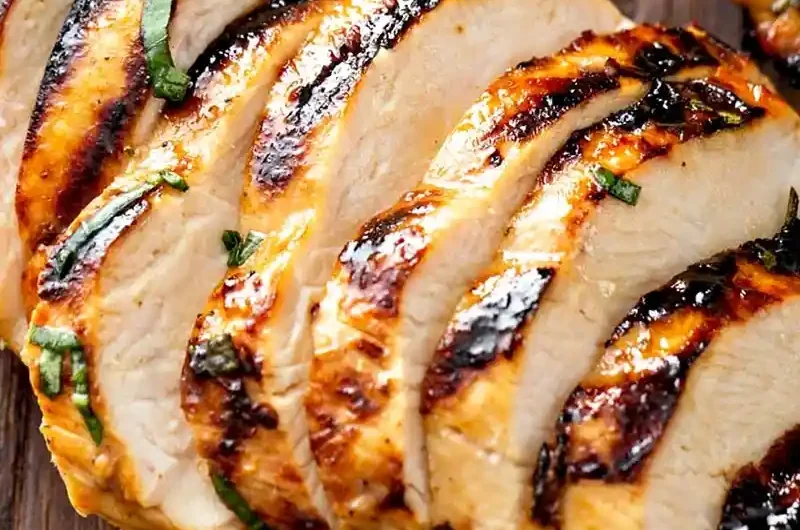
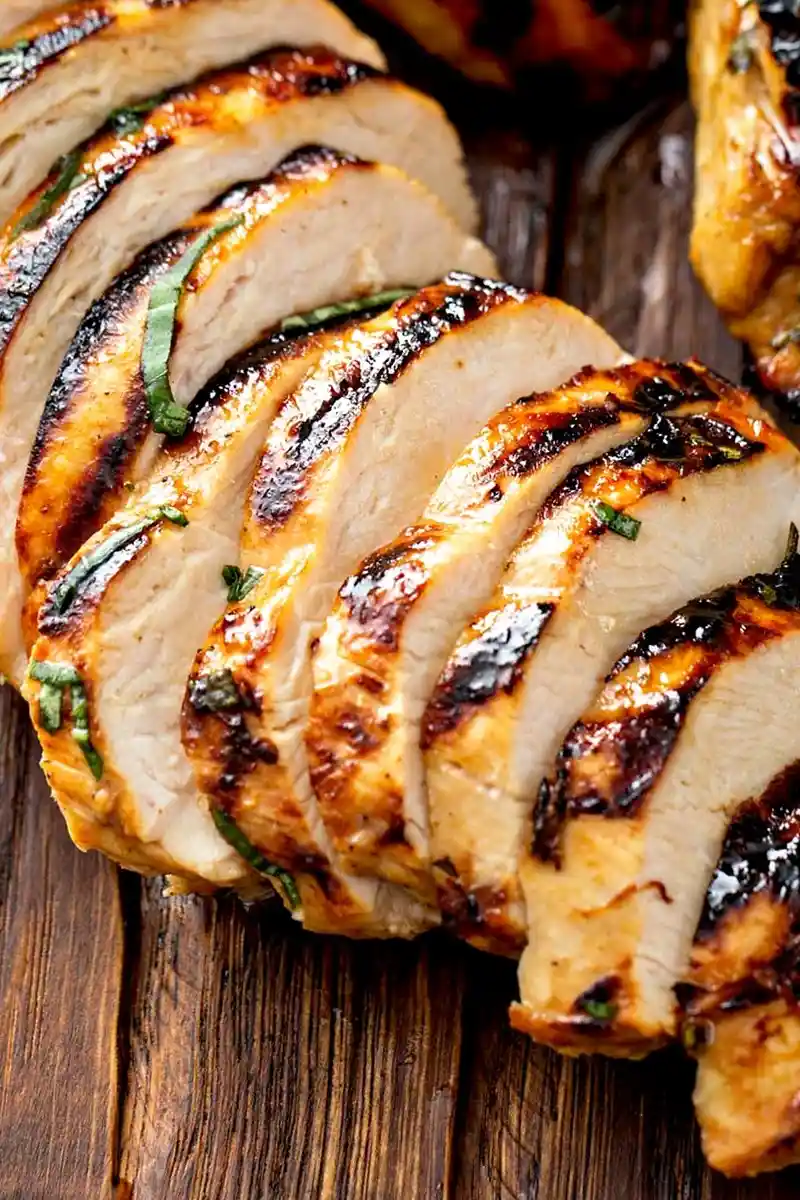
This balsamic chicken marinade delivers a perfect harmony of tangy depth and aromatic herbs that transforms simple poultry into a restaurant-quality meal. By balancing the acidity of vinegar with high-quality olive oil and a touch of sweetness, this preparation ensures your chicken stays incredibly tender while developing a beautiful, caramelized char on the grill or in a skillet.
List of ingredients
- 4 boneless and skinless chicken breasts or thighs
- 1/4 cup balsamic vinegar
- 1 large lemon, juiced (about 1/4 cup)
- 1/2 cup extra virgin olive oil
- 4 garlic cloves, minced
- 1 tablespoon fresh rosemary, finely chopped
- 2 tablespoons fresh basil, finely chopped
- 2 tablespoons honey, optional
- 2 teaspoons sea salt
- 1/2 teaspoon ground black pepper
step-by-step instructions
- Step: Place 1 chicken breast between two pieces of plastic wrap or in a resealable plastic bag. Using a meat pounder or rolling pin, pound the chicken lightly into an even thickness. Repeat with the remaining chicken breasts.
- Step: In a large resealable bag, mix together the balsamic vinegar, lemon juice, olive oil, garlic, rosemary, basil, honey, salt and pepper. If using a bowl, whisk the ingredients to combine.
- Step: Add the chicken and toss until coated with the marinade. If using a resealable bag, gently squeeze the air out. Marinate for 30 minutes at room temperature or up to 4 hours in the refrigerator.
- Step: When ready to cook, remove the chicken from the refrigerator and allow it to come to room temperature for 15 to 30 minutes before cooking.
- Step: To grill: Preheat grill over medium-high heat (400 to 450°F). Grease grates with oil. Cook on direct heat for 3 to 4 minutes per side, then move to indirect heat until the internal temperature reaches 165°F. Rest for 5 to 10 minutes.
- Step: Stove top: Grease a skillet and heat to medium-high. Add chicken and cook for 6 to 8 minutes on one side, then flip and cook for 3 to 4 minutes until the internal temperature reaches 165°F. Rest for 5 to 10 minutes.
Practical cooking strategies
Achieving uniform thickness for consistent results
Uniform thickness is the single most important factor when cooking lean chicken breasts. When a piece of chicken is thick on one end and thin on the other, the thin end becomes overcooked and dry before the thickest part is safe to eat. By pounding the chicken with a mallet, you force the meat to reach a standardized shape, which allows the heat to penetrate the entire surface area at the same rate, resulting in perfectly juicy meat every single time.
Selecting the best balsamic vinegar for marinades
While you do not need an expensive, aged balsamic vinegar intended for drizzling over caprese salads, avoid the bargain-bin versions that are just vinegar colored with caramel dye. Look for a mid-range balsamic that lists grape must as the first ingredient, as this provides a natural sweetness and syrupy body. A quality vinegar will meld with the olive oil to create a cohesive, silky coating that clings to the chicken rather than sliding off the surface.
Variations and flavor adjustments
Customizing the herb blend
While rosemary and basil are traditional pairings, you can adapt this marinade based on what is available in your pantry. Thyme is an excellent substitute for rosemary if you prefer a more delicate floral note, while fresh oregano provides an earthier, more robust profile that works well with Mediterranean side dishes. For those who enjoy a bit of heat, add a pinch of red pepper flakes into the marinade, which provides a slow, warming sensation that contrasts beautifully with the honey.
Sweetness modifications
If you find that your particular brand of balsamic vinegar is already quite sweet, you may choose to reduce or omit the honey entirely. Conversely, if you prefer a sticky, caramelized glaze on your chicken, you can increase the honey slightly or substitute it with pure maple syrup. Maple syrup adds a unique, woody undertone that complements the garlic and balsamic, creating a more complex depth of flavor during the high-heat searing process.
Serving and presentation ideas
Pairing with fresh summer vegetables
The balsamic profile of this chicken pairs exceptionally well with charred garden vegetables like bell peppers, zucchini, and red onions. Consider skewering these vegetables alongside the chicken on the grill so they can benefit from the same residual marinade flavors. A side of fresh tomatoes with goat cheese or a simple arugula salad dressed with a light lemon vinaigrette provides a refreshing contrast to the richness of the balsamic glaze.
Incorporating grains for a complete meal
To turn this chicken into a hearty dinner, serve it sliced over a bed of fluffy quinoa, farro, or couscous. These grains are excellent at soaking up any residual juices from the rested chicken. If you prefer a faster side dish, creamy polenta or roasted fingerling potatoes are fantastic options that satisfy the need for a comforting, substantial element alongside the lean protein.
Managing and storing your chicken
Proper storage of leftovers
If you have leftover cooked chicken, it can be kept in the refrigerator for up to four days when stored in an airtight container. To maintain the best texture, try to keep the pieces intact rather than slicing them immediately, as whole breasts stay moist longer than pre-sliced pieces. When you are ready to enjoy the leftovers, avoid the microwave if possible, as it tends to make lean chicken rubbery; instead, warm it gently in a skillet with a splash of water or broth to rehydrate the meat.
Freezing the cooked leftovers
Cooked balsamic chicken freezes remarkably well for future use. Allow the chicken to cool completely before packing it into a freezer-safe bag or container, removing as much air as possible to prevent freezer burn. It will maintain high quality for up to two months. When you are ready to use it, let it thaw in the refrigerator overnight and slice it cold for a quick addition to wraps, salads, or grain bowls during the week.
Frequently Asked Questions
Why does the chicken get mushy if I leave it in the marinade too long?
The acid in the lemon juice and balsamic vinegar works by breaking down the muscle proteins in the chicken. While this is great for tenderizing, leaving the chicken for more than four hours allows the acid to continue breaking those bonds until the meat loses its structural integrity. This results in a mealy, soft texture that is unpleasant, so it is best to strictly follow the four-hour maximum limit.
Can I reuse the leftover marinade for a sauce?
It is not safe to use the marinade that has been in contact with raw chicken as a dipping sauce because it contains harmful bacteria. If you want a sauce to serve alongside the chicken, prepare a fresh batch of the mixture before adding the chicken, or boil the used marinade in a small saucepan for at least five minutes to ensure it reaches a safe temperature. However, for the best flavor, a fresh, non-contaminated sauce is always superior to a cooked-down marinade.
Do I need to poke holes in the chicken to help the flavor get inside?
There is a common misconception that piercing the chicken with a fork helps the marinade penetrate deeper, but this is largely unnecessary. Marinades typically only penetrate the outer few millimeters of the meat regardless of how many holes you create. Because chicken breasts and thighs are relatively thin, a 30-minute to 4-hour soak is more than enough to achieve deep flavor without risking the moisture loss that occurs when you physically puncture the meat fibers.
Print
The Ultimate Balsamic Herb Chicken Marinade
- Total Time: PT45M
- Yield: 4 servings 1x
- Diet: Gluten-free
Description
This Balsamic Chicken Marinade makes the most tender, juicy and flavorful pan seared or grilled chicken recipe.
Ingredients
- 4 boneless and skinless chicken breasts or thighs
- 1/4 cup balsamic vinegar
- 1 large lemon, juiced (about 1/4 cup)
- 1/2 cup extra virgin olive oil
- 4 garlic cloves, minced
- 1 tablespoon fresh rosemary, finely chopped
- 2 tablespoons fresh basil, finely chopped
- 2 tablespoons honey, optional
- 2 teaspoons sea salt
- 1/2 teaspoon ground black pepper
Instructions
- Step: Place 1 chicken breast between two pieces of plastic wrap or in a resealable plastic bag. Using a meat pounder or rolling pin, pound the chicken lightly into an even thickness. Repeat with the remaining chicken breasts.
- Step: In a large resealable bag, mix together the balsamic vinegar, lemon juice, olive oil, garlic, rosemary, basil, honey, salt and pepper. If using a bowl, whisk the ingredients to combine.
- Step: Add the chicken and toss until coated with the marinade. If using a resealable bag, gently squeeze the air out. Marinate for 30 minutes at room temperature or up to 4 hours in the refrigerator.
- Step: When ready to cook, remove the chicken from the refrigerator and allow it to come to room temperature for 15 to 30 minutes before cooking.
- Step: To grill: Preheat grill over medium-high heat (400 to 450°F). Grease grates with oil. Cook on direct heat for 3 to 4 minutes per side, then move to indirect heat until the internal temperature reaches 165°F. Rest for 5 to 10 minutes.
- Step: Stove top: Grease a skillet and heat to medium-high. Add chicken and cook for 6 to 8 minutes on one side, then flip and cook for 3 to 4 minutes until the internal temperature reaches 165°F. Rest for 5 to 10 minutes.
Notes
Do not marinate for more than 4 hours as the acid can change the texture of the meat. It is not necessary to prick or score the chicken before marinating.
- Prep Time: PT5M
- Cook Time: PT10M
- Category: Main Course
- Method: Grilling, Pan Searing
- Cuisine: American
Nutrition
- Serving Size: 1 breast
- Calories: 278 kcal
- Sugar: 6 g
- Sodium: 715 mg
- Fat: 16 g
- Saturated Fat: 3 g
- Unsaturated Fat: 13 g
- Trans Fat: 0 g
- Carbohydrates: 8 g
- Fiber: 1 g
- Protein: 24 g
- Cholesterol: 72 mg
Keywords: balsamic chicken, marinade, grilled chicken, pan seared chicken, easy chicken recipe