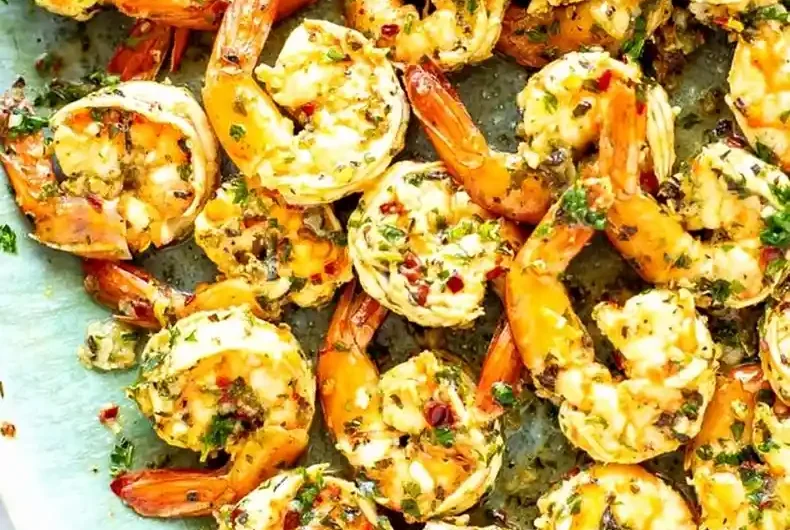
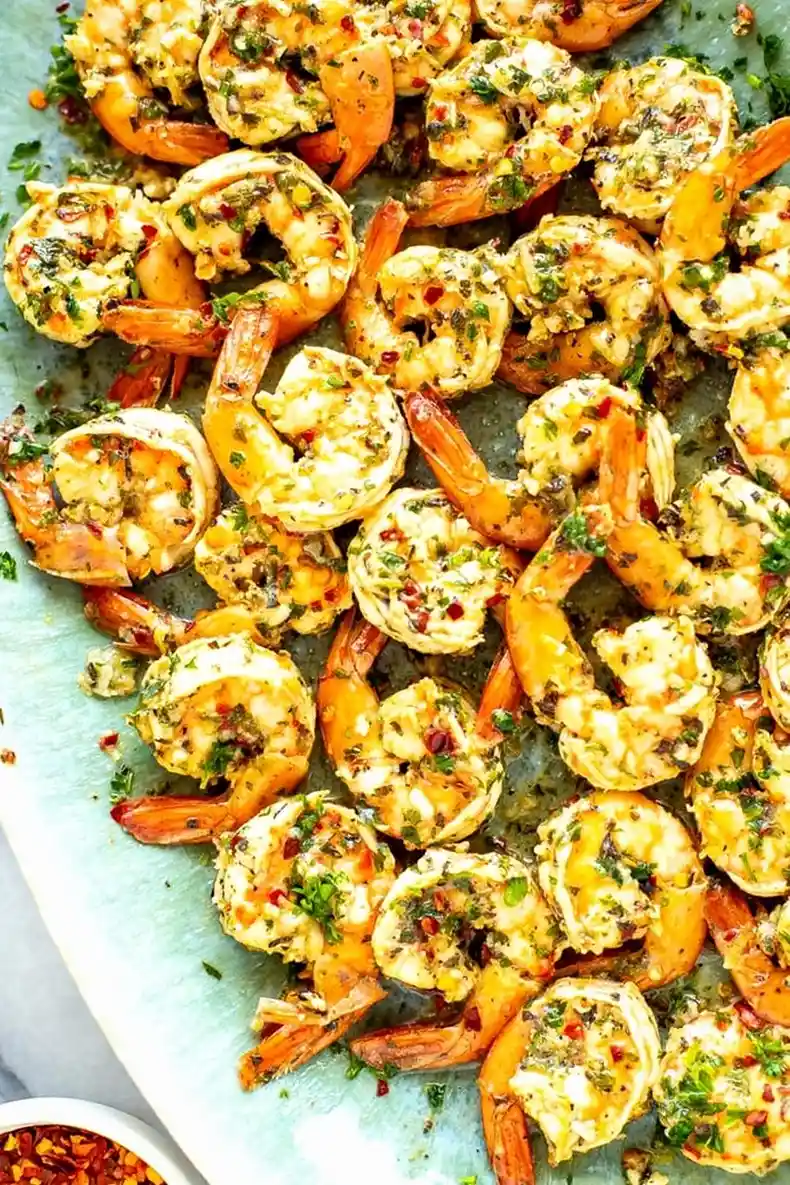
This versatile marinade infuses shrimp with bold citrus and garlic flavors for a restaurant-quality meal at home. It is designed for maximum flexibility, working perfectly whether you prefer grilling, sautéing, or broiling.
List of ingredients
- 1 lb shrimp – peeled and deveined for best results.
- 1 tbsp olive oil – use a high-smoke point variety.
- 2 tbsp lemon juice – freshly squeezed is preferred.
- 6 cloves garlic, minced – provides a pungent, savory base.
- 1 tbsp fresh chopped parsley (or 1 tsp dried) – adds a fresh herbal note.
- 2 tsp dijon mustard – adds depth and helps the marinade cling.
- 1 tsp lemon zest – concentrates the citrus aroma.
- 1 tsp salt – enhances all other flavors.
- 1/2 tsp pepper – provides a subtle warmth.
- 1/2 tsp chili flakes – adds a hint of spicy heat.
- 1/2 tsp dried basil – introduces a sweet, peppery herb profile.
step-by-step instructions
- Prepare the marinade: Mix all marinade ingredients together in a medium-sized bowl or a sealable plastic bag.
- Marinate the shrimp: Add the shrimp to the mixture and let them sit for 15 minutes to absorb the flavors.
- Grilling Method: Preheat your BBQ to 425 F. Thread shrimp onto skewers, place them on a baking sheet, drizzle with a small amount of extra marinade, and discard the rest. Grill for 2 minutes per side until pink and opaque.
- Stovetop Method: Heat 1 tbsp of butter or olive oil in a large skillet over medium-high heat. Add shrimp and the marinade, sautéing for 3-4 minutes until the shrimp turn pink and are no longer translucent.
- Broiler Method: Set your oven to high broil. Thread shrimp onto skewers and place them on a parchment-lined baking sheet. Drizzle with a bit of extra marinade and discard the remainder. Broil for 1-2 minutes per side, watching closely, until fully cooked.
Selecting and Preparing Seafood
Choose Large Shrimp for Better Texture
Opt for jumbo or extra-large shrimp when possible. Larger shrimp are less likely to overcook quickly and provide a more satisfying, meaty bite. They also hold up better on skewers during grilling or broiling.
Thawing Frozen Shrimp Safely
Place frozen shrimp in a sealed bag and submerge them in a bowl of cold water for about 20 to 30 minutes. Avoid using warm water, as this can compromise the texture and safety of the seafood. Pat the shrimp completely dry with paper towels before adding them to the marinade to ensure the sauce adheres properly.
Identifying Fresh Shrimp
Fresh shrimp should have a mild, salty scent reminiscent of the ocean, rather than a strong fishy odor. Look for translucent flesh and shells that are firm and not slimy. Avoid any shrimp with black spots on the shell or flesh, as this indicates oxidation and age.
Customizing Your Marinade
High Smoke Point Oil Alternatives
While olive oil is standard, you can use avocado oil or grapeseed oil for higher heat cooking. These oils have higher smoke points, meaning they won’t burn or smoke as easily when searing shrimp on a very hot skillet or grill. This ensures a clean flavor without the bitterness of burnt oil.
Swapping Citrus for Different Profiles
If you prefer a different citrus note, replace the lemon juice and zest with lime or grapefruit. Lime provides a sharper, more tropical flavor that pairs well with the chili flakes. Grapefruit offers a slightly bitter, complex tartness that complements the garlic.
Using Different Types of Mustard
Dijon mustard is used for its tang and emulsifying properties, but stone-ground mustard is a great substitute for a coarser texture. If you cannot find mustard, you can omit it, though the marinade may be slightly thinner and less adhered to the shrimp.
Herb Variations for Diverse Flavors
Dried basil can be swapped for oregano or thyme to change the herbal profile. Oregano creates a more Mediterranean feel, while thyme adds a subtle, earthy sweetness. Fresh cilantro can also replace parsley for a brighter, more zesty finish.
Mastering the Cooking Process
Avoiding Rubberiness through Temperature Control
Shrimp cook extremely quickly and become rubbery if overexposed to heat. Use medium-high to high heat to get a quick sear while keeping the center tender. Remove the shrimp from the heat the moment they turn from translucent to opaque and form a slight C-shape.
Proper Skewer Preparation
If using wooden skewers, soak them in water for at least 30 minutes before grilling to prevent them from burning. Stainless steel skewers are a durable alternative that does not require soaking. Space the shrimp slightly apart on the skewer to ensure heat reaches all sides of each piece.
Achieving a Perfect Sear on the Stovetop
Wait until the butter or oil is shimmering or the butter has stopped foaming before adding the shrimp. Do not crowd the pan; cook in batches if necessary. This prevents the shrimp from steaming in their own juices and ensures they get a golden-brown exterior.
Watching for Visual Cues of Doneness
The primary indicator that shrimp are done is their color change to a bright pinkish-orange. In terms of shape, a C-shape indicates perfectly cooked shrimp, whereas an O-shape (tightly curled) usually means they are overcooked. Use a meat thermometer to check for an internal temperature of 145 F.
Serving and Pairing Ideas
Pairing with Starchy Sides
Serve these shrimp alongside roasted or grilled potatoes for a hearty meal. Oven-baked fries or potato wedges provide a satisfying crunch that contrasts with the tender seafood. For a more refined option, try a side of creamy polenta or a wild rice pilaf.
Complementary Roasted Vegetables
Asparagus and broccoli are excellent pairings that can be cooked using the same grilling or roasting method as the shrimp. Zucchini and eggplant also absorb the lemon-garlic profile well. Toss the vegetables in a bit of olive oil and salt before cooking them alongside the seafood.
Light and Fresh Salad Pairings
A simple green salad with a light vinaigrette balances the richness of the garlic butter. A cucumber and tomato salad with red onion and vinegar provides a crisp, acidic contrast. For a heartier salad, try a quinoa-based bowl with mixed greens and avocado.
Using Grains and Pasta as a Base
Toss the cooked shrimp and any remaining pan sauce with al dente pasta like linguine or angel hair. Serving them over a bed of steamed jasmine or basmati rice allows the rice to soak up the lemony garlic juices. Quinoa is another high-protein grain option that works well.
Storage and Preservation
Refrigeration Limits for Cooked Shrimp
Store cooked shrimp in an airtight container in the refrigerator for up to 3 days. Ensure they are completely cooled before sealing the lid to prevent excess moisture buildup. To maintain quality, keep them in the coldest part of the fridge.
Freezing Marinated Raw Shrimp
You can freeze raw shrimp directly in the marinade in a heavy-duty freezer bag for up to 1 month. This is an excellent meal-prep strategy, as the shrimp marinate while they thaw. Squeeze out as much air as possible from the bag to prevent freezer burn.
Thawing and Cooking Frozen Marinades
Thaw frozen marinated shrimp in the refrigerator overnight before cooking. Avoid thawing them on the counter to keep the seafood at a safe temperature. Once thawed, cook them immediately using any of the three methods described in the instructions.
Reheating Guidelines
Stovetop Reheating for Best Texture
The best way to reheat shrimp is in a skillet over medium heat with a small pat of butter. Heat them gently for only 2-3 minutes, just until warmed through. This prevents the shrimp from drying out or becoming tough.
Microwave Guidelines
If using a microwave, use a low power setting and heat in short 30-second intervals. Cover the shrimp with a damp paper towel to trap moisture. Avoid overheating, as microwaves can quickly turn shrimp rubbery.
Troubleshooting and FAQs
Why is my shrimp rubbery?
Rubbery shrimp are almost always the result of overcooking. Because seafood has very little connective tissue, it tightens up rapidly when exposed to high heat for too long. Always monitor the shape and color closely and remove them from heat immediately once they are opaque.
How to fix a marinade that is too acidic?
If the lemon juice makes the marinade too tart, balance it by adding a pinch more salt or a small amount of honey or maple syrup. The sweetness neutralizes the sharp acidity without changing the overall flavor profile. Alternatively, add an extra tablespoon of olive oil.
Can I marinate pre-cooked shrimp?
It is not recommended to marinate pre-cooked shrimp. They will not absorb the flavors as effectively as raw shrimp and are highly prone to overcooking when you heat them a second time. Use raw shrimp for the best results.
Is there a way to add a creamy element to the marinade without using dairy?
You can achieve a creamy texture by stirring in a small amount of coconut cream or blended cashews. These plant-based alternatives provide the richness of cream while remaining dairy-free. Blend them until smooth before adding them to the lemon-garlic base.
Can I marinate shrimp overnight?
No, you should avoid marinating shrimp overnight. The citric acid in the lemon juice will begin to break down the proteins in the shrimp, effectively ‘cooking’ them (similar to ceviche). This results in a mushy, mealy texture rather than a firm, juicy one.
Print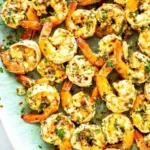
Zesty Garlic and Lemon Shrimp Marinade
- Total Time: 30 minutes
- Yield: 4 servings 1x
- Diet: Gluten-Free
Description
This is the Best Ever Shrimp Marinade, perfect for the grill or delicious sautéed. You’ll always want to make this lemony garlic shrimp!
Ingredients
- 1 lb shrimp
- 1 tbsp olive oil
- 2 tbsp lemon juice
- 6 cloves garlic, minced
- 1 tbsp fresh chopped parsley
- 2 tsp dijon mustard
- 1 tsp lemon zest
- 1 tsp salt
- 1/2 tsp pepper
- 1/2 tsp chili flakes
- 1/2 tsp dried basil
Instructions
- Step 1: Mix all ingredients for marinade together then marinate shrimp in a medium-sized bowl for 15 minutes.
- Step 2: For grilling, preheat BBQ to 425 F, add shrimp to skewers, drizzle some extra marinade overtop, and grill for 2 minutes per side until pink and fully cooked.
- Step 3: For stovetop, add 1 tbsp butter or olive oil to a large skillet over med-high heat, add shrimp with marinade, and sauté for 3-4 minutes until pink.
- Step 4: For broiling, set oven to broil on high, add shrimp to skewers on a parchment-lined baking sheet, drizzle with extra marinade, and broil 1-2 minutes per side until pink and fully cooked.
Notes
Cook the shrimp in the oven, on the stovetop or on the grill. Store leftovers in the fridge for 3 days. Freeze the raw shrimp in the marinade for up to 1 month.
- Prep Time: 20 minutes
- Cook Time: 10 minutes
- Category: Main Course
- Method: Grilling, Sautéing, Broiling
- Cuisine: American
Nutrition
- Serving Size: 1 serving
- Calories: 150 kcal
- Sugar: 1 g
- Sodium: 1495 mg
- Fat: 5 g
- Saturated Fat: 1 g
- Unsaturated Fat: 4 g
- Trans Fat: 0 g
- Carbohydrates: 1 g
- Fiber: 1 g
- Protein: 23 g
- Cholesterol: 286 mg
Keywords: shrimp marinade, lemony garlic shrimp, grilled shrimp, sautéed shrimp, seafood