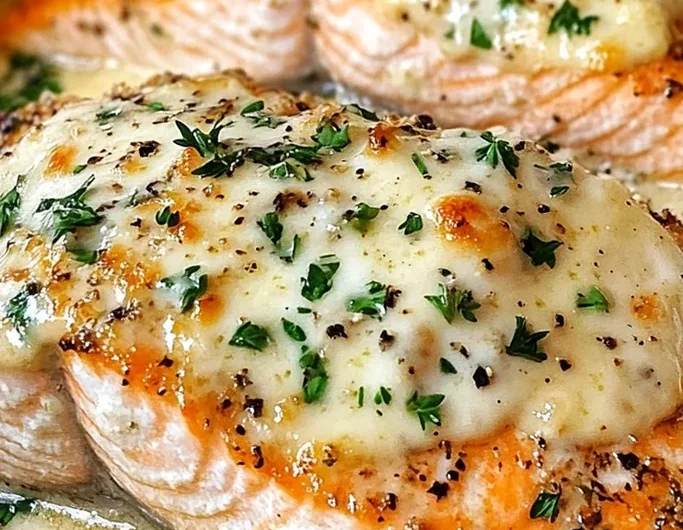
This oven-baked salmon features a rich, creamy topping of herb-infused cheese for a fast and elegant dinner. It is a practical choice for busy weeknights that requires minimal preparation while delivering high flavor.
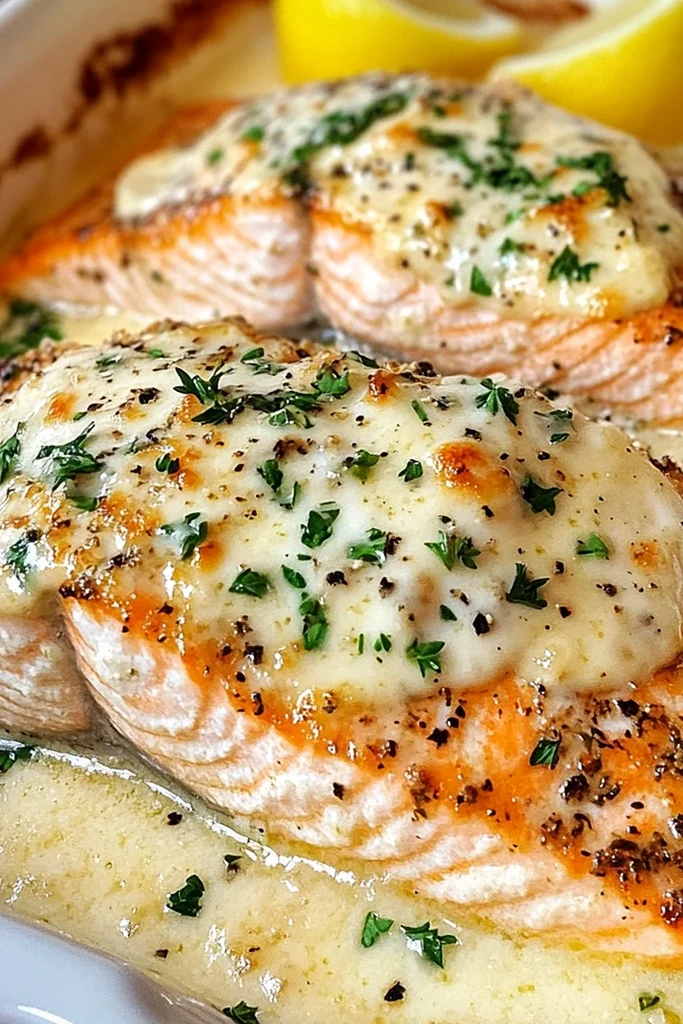
List of ingredients
- 4 salmon fillets (5–6 ounces each), skin-on or skinless – ensure they are of similar thickness for even cooking.
- 1 Boursin cheese round (5.2 oz), garlic & fine herbs flavor – provides the primary creamy base.
- 2 tablespoons olive oil or melted butter – used for both the cheese mixture and searing the fish.
- 2 cloves garlic, minced – adds a sharp, aromatic punch.
- 1 tablespoon lemon juice – cuts through the richness of the cheese.
- 1 teaspoon lemon zest – provides concentrated citrus oils for brightness.
- Salt and pepper to taste – essential for enhancing the natural flavor of the salmon.
- Fresh parsley for garnish – adds a fresh, green finish to the plate.
step-by-step instructions
- Prepare the Oven: Preheat your oven to 400°F (200°C).
- Ready the Dish: Lightly grease a baking dish or line it with parchment paper to prevent the cheese from sticking.
- Mix the Topping: In a mixing bowl, combine the Boursin cheese, minced garlic, lemon zest, lemon juice, and half of the olive oil; stir until the mixture is smooth.
- Prep the Fish: Pat the salmon fillets dry with paper towels and drizzle them with the remaining olive oil, then season both sides with salt and pepper.
- Assemble: Place the salmon fillets in the baking dish skin-side down and spoon the Boursin mixture evenly over the top of each fillet.
- Bake: Cook for 15–20 minutes until the salmon flakes easily with a fork and the internal temperature reaches 145°F (63°C).
- Finish and Serve: Let the fish rest for 2 minutes, then garnish with fresh parsley and serve with lemon wedges.
Mastering the Cooking Process
Selecting the Best Salmon Fillets
Choose fresh, high-quality fillets with a vibrant pink or orange color and no grayish tint. Fresh salmon should feel firm to the touch and spring back when pressed. If using frozen fillets, thaw them completely in the refrigerator overnight to ensure even cooking throughout.
Using a Meat Thermometer for Accuracy
The most reliable way to prevent overcooking is to use a digital instant-read thermometer. Insert the probe into the thickest part of the fillet. Remove the salmon from the oven once it hits 145°F (63°C), as carry-over cooking will finish the process during the resting phase.
The Importance of Drying the Fillets
Always pat the salmon dry with paper towels before adding oil and seasoning. Removing surface moisture prevents the fish from steaming in the oven. This step ensures the seasonings adhere properly and helps the salmon achieve a better texture.
Allowing the Fish to Rest
Resting the salmon for two to five minutes after removing it from the oven allows the juices to redistribute. This prevents the moisture from leaking out immediately upon slicing or serving. Resting ensures a more succulent and tender piece of fish.
Customizing the Herb Profile
While parsley is the standard garnish, you can swap it for fresh dill or chives to change the flavor profile. Dill pairs exceptionally well with the lemon and Boursin cheese for a more traditional seafood taste. Chives add a mild onion-like brightness that complements the garlic.
Adjusting for Fillet Thickness
Thicker cuts of salmon will require a few extra minutes in the oven. Check the internal temperature starting at the 15-minute mark. If the fillets are very thin, reduce the baking time to 12-15 minutes to avoid drying out the protein.
Recommended Side Dish Pairings
Fresh Garden Salads
A light mixed-green salad with a simple lemon vinaigrette balances the richness of the Boursin cheese. Use arugula or spinach for a peppery contrast. Avoid heavy cream-based dressings to keep the meal from feeling too weighted.
Grain-Based Bases
Serving the salmon over a bed of fluffy jasmine rice or quinoa helps absorb the melted cheese and lemon juices. These grains provide a neutral base that highlights the complex flavors of the topping. Quinoa also adds an extra boost of protein and fiber.
Roasted Root Vegetables
Roasted carrots or parsnips provide a natural sweetness that complements the salty cheese. Toss them in olive oil and salt, and roast them on a separate tray at the same temperature as the salmon. Ensure they are cut into small pieces so they finish cooking at the same time.
Roasted Green Vegetables
Asparagus, Brussels sprouts, or broccolini are excellent pairings. Roast them with a drizzle of oil and a pinch of salt. These vegetables add a necessary crunch and vibrant color to the plate.
Crusty Bread Options
A toasted slice of French baguette or sourdough is ideal for scooping up the extra creamy cheese. Lightly brush the bread with olive oil and toast it in the oven for the last five minutes of the salmon’s cooking time.
Salty Capers for Contrast
Sprinkling a few capers over the finished dish adds a briny, salty pop. This acidity cuts through the fat of the cheese and the richness of the salmon. It provides a gourmet touch with very little effort.
Garlic Mashed Potatoes
Creamy mashed potatoes infused with roasted garlic create a comforting, hearty meal. The softness of the potatoes mirrors the texture of the Boursin topping. Use a splash of milk or butter for a smoother consistency.
Steamed Broccoli Florets
Lightly steamed broccoli provides a clean, fresh taste that cleanses the palate between bites of creamy salmon. Season them with a squeeze of lemon juice and a pinch of salt. This keeps the overall meal nutritious and balanced.
Mediterranean Couscous Salad
A cold couscous salad with diced cucumbers, cherry tomatoes, and lemon juice offers a refreshing temperature contrast. The crispness of the vegetables balances the warm, soft texture of the baked fish. Use a small amount of olive oil to bind the salad.
Mixed Vegetable Stir-Fry
Quickly sautéed bell peppers and snap peas add a bright crunch. Use a high-heat pan and a small amount of oil to keep the vegetables crisp-tender. This adds a variety of textures to the dining experience.
Lemon Orzo Pasta
Cook orzo pasta and toss it with lemon zest, olive oil, and fresh parsley. The citrus notes in the pasta mirror the flavors in the Boursin topping. This creates a cohesive flavor profile across the entire plate.
Sautéed Baby Spinach
Sauté fresh spinach in a pan with a small amount of garlic and olive oil until just wilted. This provides a nutrient-dense side that doesn’t overpower the salmon. The earthy taste of spinach pairs well with the herbs in the cheese.
Avoiding Common Cooking Errors
Incorrect Oven Temperature
Ensure the oven is fully preheated to 400°F (200°C) before sliding the dish inside. Placing salmon in a cold oven leads to uneven cooking and can result in a mushy texture. A hot oven seals the surface and cooks the interior efficiently.
Skipping the Drying Step
Adding oil to wet salmon prevents the fat from creating a proper barrier. This often leads to the salmon sticking to the pan or the cheese topping sliding off the fish. Use paper towels to ensure the surface is completely dry.
Overcooking the Protein
Salmon continues to cook after it is removed from the heat. If you cook it until it flakes perfectly in the oven, it may be overdone by the time it hits the plate. Pull the fish at 145°F to maintain a moist, tender center.
Forgetting the Base Seasoning
Applying salt and pepper only to the cheese topping is a common mistake. Seasoning the fish directly ensures the flavor penetrates the protein itself. This prevents the salmon from tasting bland beneath the rich cheese layer.
Roughly Chopping Garnish
Using large chunks of parsley can be distracting in a creamy dish. Finely mince the herbs to ensure an even distribution of flavor and a professional appearance. Fresh herbs should be added only at the end to maintain their color.
Storage and Preservation
Refrigerating Leftovers
Place leftover salmon in an airtight glass or plastic container. Cool the fish completely before sealing the lid to prevent condensation from making the cheese soggy. Store it in the coldest part of the refrigerator for up to three days.
Freezing Guidelines
While fresh salmon freezes well, the Boursin topping may change texture upon thawing. If freezing, wrap individual portions tightly in foil and place them in a freezer-safe bag. Consume frozen portions within two months for the best quality.
Effective Reheating Methods
Oven Reheating
Preheat the oven to 350°F (175°C) and place the salmon on a baking sheet. Heat for 10-15 minutes until warmed through. This method best preserves the texture of the fish and prevents the cheese from separating.
Microwave Heating
Use a microwave-safe plate and heat on medium power for 2-3 minutes. Check the temperature frequently to avoid overcooking the salmon, which can happen quickly in a microwave. Use a cover to retain moisture.
Stovetop Reheating
Place the fillets in a skillet over low heat with a lid. Add a teaspoon of water or butter to create steam. Heat for 5-7 minutes, which helps keep the fish moist while warming the cheese topping.
Frequently Asked Questions
How do I know when my Baked Boursin Salmon is done?
The salmon is ready when it flakes easily with a fork and the internal temperature reaches 145°F (63°C). The topping should be melted and slightly bubbly.
Can I use other types of cheese instead of Boursin?
Yes, you can use a mixture of cream cheese and dried herbs or a flavored goat cheese. Ensure the substitute is a soft, spreadable cheese that can withstand oven heat without completely melting away.
Is there a low-carb option for Baked Boursin Salmon?
This recipe is naturally low-carb. To keep it that way, serve the salmon with steamed vegetables or a fresh salad instead of rice or pasta.
What can I serve with Baked Boursin Salmon?
It pairs well with roasted asparagus, sautéed spinach, lemon orzo, or a simple green salad. For a heartier meal, consider garlic mashed potatoes or quinoa.
Print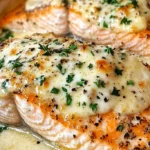
Creamy Baked Boursin Salmon
- Total Time: 30 minutes
- Yield: 4 servings 1x
- Diet: Low Carb
Description
Baked Boursin Salmon is a delectable dish that brings together the rich flavors of salmon and the creamy indulgence of Boursin cheese for an unforgettable meal.
Ingredients
- 4 salmon fillets (5–6 ounces each), skin-on or skinless
- 1 Boursin cheese round (5.2 oz), garlic & fine herbs flavor
- 2 tablespoons olive oil or melted butter
- 2 cloves garlic, minced
- 1 tablespoon lemon juice
- 1 teaspoon lemon zest
- Salt to taste
- Pepper to taste
- Fresh parsley for garnish
Instructions
- Step: Preheat the oven to 400°F (200°C).
- Step: Lightly grease a baking dish or line with parchment paper.
- Step: In a mixing bowl, combine Boursin cheese, garlic, lemon zest, lemon juice, and half the olive oil; stir until smooth.
- Step: Pat the salmon fillets dry and drizzle with remaining olive oil; season with salt and pepper.
- Step: Place salmon in the baking dish skin-side down. Spoon the Boursin mixture evenly over each fillet.
- Step: Bake for 15–20 minutes until salmon flakes easily with a fork and reaches an internal temperature of 145°F (63°C).
- Step: Let rest for 2 minutes before garnishing with parsley and serving with lemon wedges.
Notes
Store leftover salmon in an airtight container in the refrigerator for up to 3 days. To reheat, place in an oven at 350°F (175°C) for 10-15 minutes.
- Prep Time: 10 minutes
- Cook Time: 20 minutes
- Category: Main
- Method: Baking
- Cuisine: American
Nutrition
- Serving Size: 1 serving
- Calories: 397 kcal
- Sugar: 0 g
- Sodium: 482 mg
- Fat: 25 g
- Saturated Fat: 6 g
- Unsaturated Fat: 19 g
- Trans Fat: 0 g
- Carbohydrates: 3 g
- Fiber: 0 g
- Protein: 38 g
- Cholesterol: 112 mg
Keywords: Baked Boursin Salmon, creamy salmon, seafood dinner, low carb, garlic and herb salmon